



The Science Behind the Magic
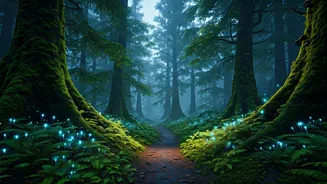
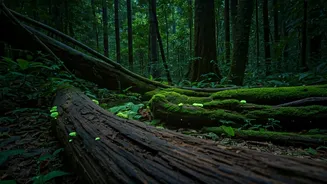
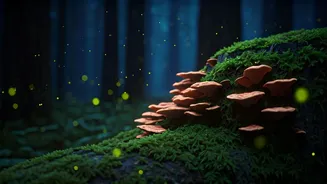
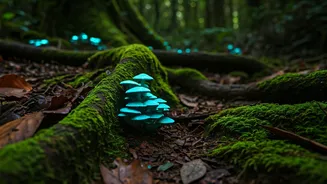
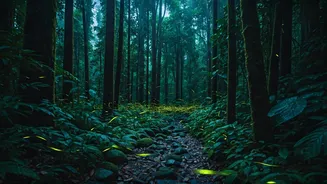
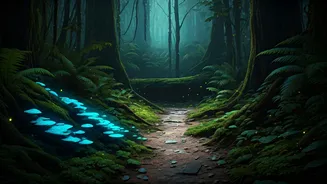
This otherworldly glow is a phenomenon known as bioluminescence, the production and emission of light by a living organism. In the Western Ghats, this natural light show is primarily caused by two sources. The first is a fascinating species of fungus,
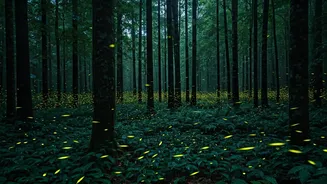
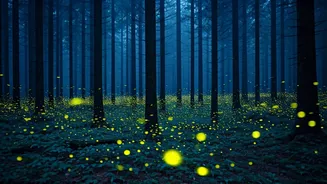
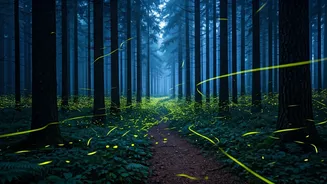
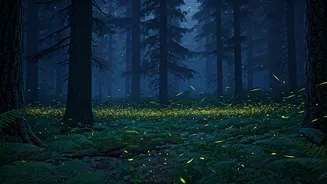
often from the *Mycena* genus. These fungi grow on decaying logs, branches, and leaves. Through a chemical reaction involving an enzyme called luciferase, they emit a steady, faint glow. This process, known as foxfire, is most vibrant during the monsoon when the humidity and moisture create perfect conditions for the fungi to thrive. The second source is, of course, the enchanting dance of fireflies. These beetles use their light to communicate and attract mates, creating flickering constellations in the undergrowth and trees.
The Best Time to Witness the Glow
Timing is everything. The peak season for spotting bioluminescence in the Western Ghats is the monsoon, typically from June to late September or early October. The consistent rain and high humidity create the ideal environment for both the glowing fungi and the insects that call these forests home. For the best experience, plan your visit on a moonless night, as the darkness will make the faint glow of the fungi more pronounced. A night with a light drizzle is often considered perfect, as the moisture enhances the glow and brings the forest to life. Avoid bright torches, as your eyes need about 15-20 minutes to fully adjust to the darkness and perceive the subtle light.
Where to Go: Bhimashankar Wildlife Sanctuary, Maharashtra
One of the most popular and accessible places to witness this phenomenon is the Bhimashankar Wildlife Sanctuary, near Pune. The dense forests here are home to the Indian Giant Squirrel and are a biodiversity hotspot. During the monsoon, the jungle floor and tree bark come alive with glowing *Mycena*. Local guides are readily available in the villages surrounding the sanctuary and are essential for navigating the trails safely at night. They know the exact spots where the fungi flourish and can enrich your experience with local knowledge about the flora and fauna. A night trek here is a truly immersive experience, combining the thrill of exploration with the magic of natural light.
Another Gem: Chorla Ghat, Goa-Karnataka Border
Nestled on the border of Goa, Karnataka, and Maharashtra, the Chorla Ghat is a lesser-known but spectacular destination for nature lovers. This section of the Ghats is incredibly lush and receives heavy rainfall, making it a hotspot for bioluminescent fungi. Treks organized by local eco-resorts and nature groups can guide you through forests that seem to be carpeted with stars. The Mhadei Wildlife Sanctuary in this region is particularly noted for its glowing forests. The remoteness of Chorla Ghat means less light pollution, resulting in a more intense and memorable viewing experience.
Tips for a Safe and Respectful Night Walk
Exploring the jungle at night requires caution and respect for the environment. Always hire a local guide who knows the terrain and wildlife. Wear sturdy, waterproof trekking shoes with good grip, as trails will be slippery and muddy. Be prepared for leeches, a common feature of the monsoon Ghats; wearing leech socks or tucking your trousers into your socks can help. Use your torch sparingly, preferably one with a red light filter to preserve your night vision and minimise disturbance to nocturnal creatures. Most importantly, leave no trace. Do not touch or disturb the fungi, and carry all your litter back with you. The goal is to observe this delicate ecosystem without causing any harm.