




The Age of the Burnout Vacation
For decades, the hallmark of a “successful” holiday was a packed itinerary. Five cities in seven days, a whirlwind of museums, landmarks, and photo opportunities designed to be ticked off a list. This approach mirrors the hustle culture we try to escape:
optimising every moment and proving productivity even in our leisure. The result is often 'vacation burnout'—a state of mental, physical, and emotional exhaustion from the sheer stress of trying to do it all. Studies and travellers alike report returning from such trips feeling more drained than when they left. This frantic pace, driven by a Fear of Missing Out (FOMO), turns rest into a performance, and the pressure to capture the perfect, envy-inducing social media post only adds to the cognitive load.
Defining the Unhurried Escape
Enter 'slow travel'. Born from the Slow Food movement in Italy, which championed local ingredients and traditional methods over mass-produced fast food, slow travel applies the same philosophy to tourism. It's not about being lazy; it's about choosing depth over breadth. Instead of sprinting through multiple destinations, you might spend two weeks in a single town, renting an apartment, shopping at local markets, and learning the rhythm of the place. The goal is to move from being a mere observer to an immersed participant. It's about trading a crowded bus tour for a long walk with no destination, or learning a local craft instead of just buying a souvenir. This approach allows for spontaneity and genuine connection, creating memories that are more meaningful than a collection of landmark photos.
From FOMO to JOMO: The Joy of Missing Out
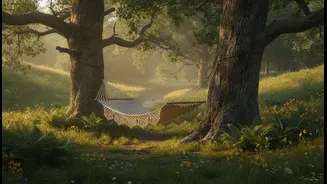
The shift towards slower holidays is deeply psychological. It’s a conscious rejection of the 'always-on' mentality that defines modern work life. Travellers are actively seeking the Joy of Missing Out (JOMO), a term that describes the contentment that comes from being present rather than worrying about what you could be doing elsewhere. This mindset is a direct antidote to the anxiety and comparison fuelled by social media. JOMO travel is about intentionally skipping the 'Top 10' sights to savour unscripted moments, whether that's reading a book in a quiet park or having an unplanned conversation with a local shopkeeper. It’s about prioritising mental and physical wellbeing, seeking restoration and clarity over spectacle and excess.
Putting Stillness into Practice
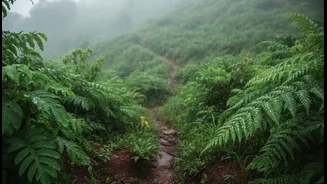
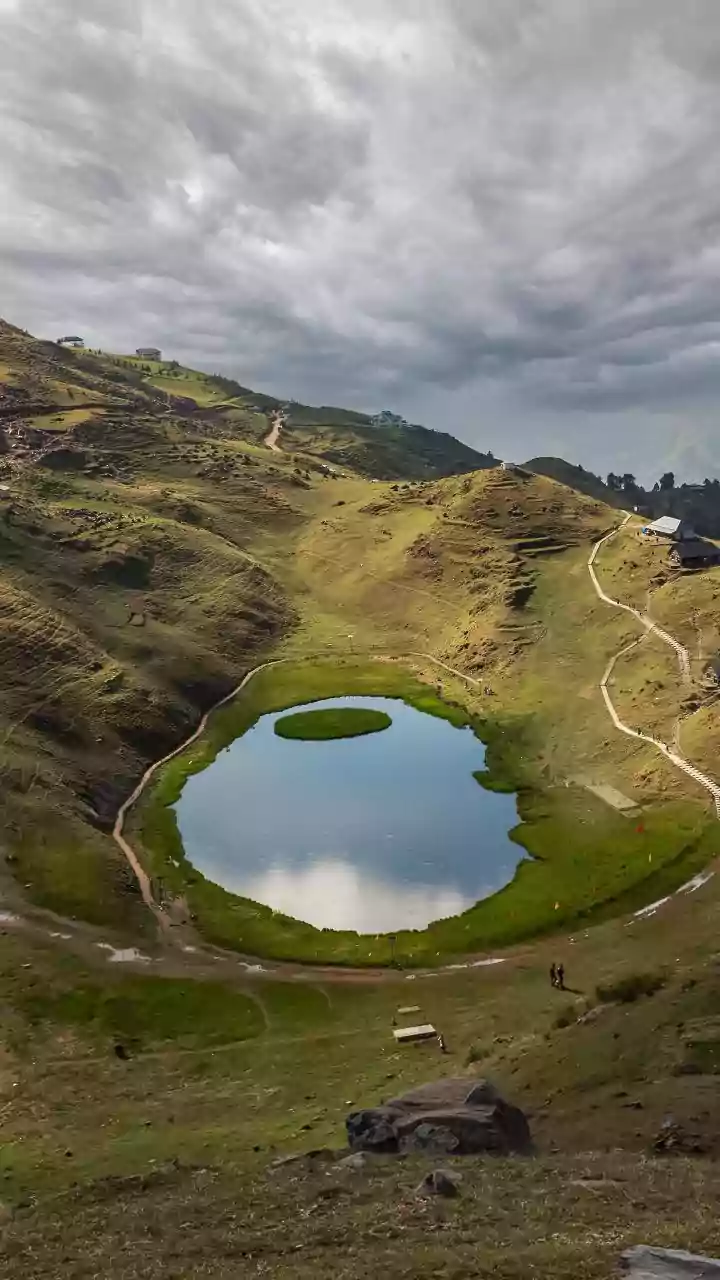
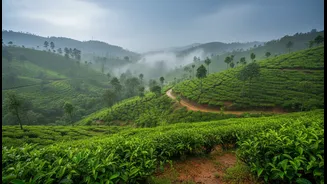
So, what does a slow holiday actually look like in India? It could be renting a villa in Coorg or Pondicherry for a week instead of a weekend, allowing time to explore the backroads and local life beyond the main attractions. It might mean spending ten days in a single region of the Himalayas, like Tirthan Valley, focusing on hikes and village visits rather than rushing between multiple states. It’s about engaging in local activities, like a cycling tour through Kerala's spice plantations, taking a pottery workshop in Uttar Pradesh, or simply travelling by train to soak in the landscape. The emphasis is on quality over quantity, favouring experiences that foster a genuine sense of place and connection. Reports show a significant rise in Indians booking longer stays in single destinations, prioritising nature and wilderness over crowded cities.
Time Is the New Status Symbol
Ultimately, the concept of luxury travel itself is being redefined. In 2026, it is less about ostentatious displays of wealth and more about the intention behind the experience. Privacy, wellness, and personal growth are the new currencies of high-end travel. In this new paradigm, the greatest luxury is not a five-star hotel room, but the time and mental space to truly disconnect. It's the ability to have an open schedule, to be fully present, and to return home genuinely restored, not just rested. As work-life pressures rise, the ability to opt out of the relentless pace of modern life—even for a short while—has become the ultimate status symbol. An unhurried holiday is a statement that you value your own wellbeing more than a checklist of sights.