





First, What Exactly Is El Niño?
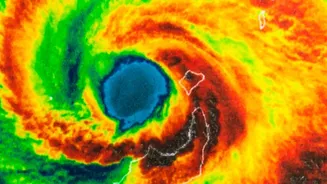
Think of El Niño as a massive, temporary disruption in the Pacific Ocean. Normally, trade winds push warm surface water towards Asia, including India. But during an El Niño year, these winds weaken or even reverse. This causes a large patch of warm water to stay,
or move back, towards the central and eastern Pacific. This shift in ocean temperature might seem distant, but it creates a powerful ripple effect, altering atmospheric circulation and weather patterns across the globe, including the intricate machinery of the Indian monsoon. Forecasts for 2026 indicate a strengthening El Niño is underway, which historically correlates with changes in India's rainfall.
The Monsoon Connection Explained
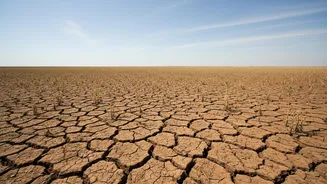
The Indian monsoon relies on a specific temperature difference between the land and the sea. The land heats up faster, creating a low-pressure area that pulls in moisture-laden winds from the cooler Indian Ocean. El Niño disrupts this delicate balance. The warming of the Pacific Ocean can alter the normal air pressure patterns, effectively weakening the pull of winds towards India. This doesn't mean the monsoon will fail entirely, but it often leads to suppressed rainfall. The India Meteorological Department (IMD) and private forecasters have pointed to the developing El Niño as a key factor in their predictions for a below-normal monsoon in 2026, with rainfall already showing deficits in the early part of the season.
Urban Impact 1: Water and Power Supplies
For city dwellers, the most immediate concern is water. Urban centres across India depend on reservoirs that are replenished by monsoon rains. A weak or deficient monsoon means these reservoirs don't fill up adequately. This can lead to municipal bodies imposing water cuts and rationing supplies, affecting everything from morning showers to daily chores. Furthermore, a significant portion of India's electricity comes from hydropower. Lower reservoir levels mean less water to power the turbines, potentially leading to a strain on the power grid and more frequent load shedding, especially during peak demand in the hotter, drier months.
Urban Impact 2: Your Wallet and Health
The monsoon's performance is directly tied to the agricultural sector, which in turn affects urban wallets. A poor monsoon can lead to lower crop yields, especially for rain-fed crops. This reduced supply inevitably pushes up food prices. Vegetables, fruits, and staples can become more expensive, putting a strain on household budgets across cities. Health is another concern. Drier, hotter conditions can increase the risk of heatstroke and dehydration. Scarcity can also impact water quality, potentially leading to a rise in water-borne diseases.
The Paradox of Urban Flooding
It seems counterintuitive, but a weak monsoon can paradoxically increase the risk of urban flooding. Instead of steady, consistent rainfall, an El Niño-influenced season can deliver its rain in short, intense bursts. India's urban drainage systems, often old, poorly maintained, and clogged with waste, are simply not designed to handle such high volumes of water in a short period. This leads to the familiar scenes of waterlogged streets, submerged underpasses, and chaotic traffic snarls. Even with less total rainfall over the season, these extreme rain events can cause significant disruption and damage in densely populated concrete jungles that have little capacity to absorb water naturally.