



Why the Monsoon Rush?
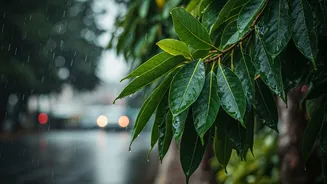
The monsoon season transforms the landscape, creating a flurry of activity in the avian world. While the rains bring out insects and help plants flourish, the weather also presents challenges for birds. Heavy downpours can make finding food difficult,
wash away natural food sources, or make it harder for birds to stay warm and dry. This increased need for energy and reliable food sources is what often drives them to the safety and consistency of a backyard or balcony feeder. Many resident birds in India also have their breeding season timed with the monsoon, thanks to the abundance of insects for their young. This makes a supplementary food source even more attractive, as they are busy raising their next generation.
Meet Your Feathered Visitors
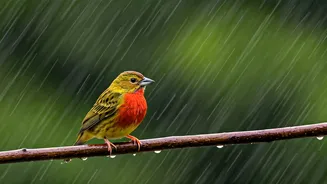
Depending on your location in India, you can expect a colourful array of visitors. Sparrows, mynas, and bulbuls are common city dwellers that will happily visit a feeder. You might also spot doves, parakeets, and even the occasional sunbird searching for nectar. The famous Pied Cuckoo, often called the 'rain bird', is a monsoon migrant from Africa that heralds the coming of the rains in northern and central India. Other species, like the Baya Weaver, become more active, with males weaving their intricate nests from grasses and palm fronds. In the Western Ghats, you might hear the distinctive call of the White-cheeked Barbet or spot the beautiful Sholakili (Nilgiri shortwing) near streams.
Setting Up Your Monsoon Feeder
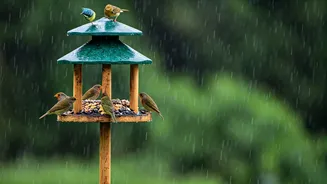
Creating a bird-friendly space is simple. The most critical factor during the monsoon is keeping the food dry. Place your feeder in a sheltered spot, like under a balcony roof or awning, to protect it from rain. This prevents the food from becoming a mouldy, sticky mess, which can be harmful to birds. Hygiene is paramount. Clean your feeders at least once a week to prevent the spread of diseases like aspergillosis, a fungal infection that thrives in damp conditions. Also, provide a shallow bowl of fresh, clean water. Even though it's raining, city rainwater can be polluted, and a clean source for drinking and bathing is always welcome. Change the water daily to keep it fresh and prevent mosquitoes from breeding.
What's on the Menu?
Different birds have different tastes. A good all-around offering includes grains like millet (bajra), cracked corn, and sunflower seeds, which are favourites for sparrows, doves, and finches. For fruit-eating birds like bulbuls and mynas, offer small pieces of fresh fruits such as banana, papaya, or apple. However, be sure to remove any uneaten fruit after a few hours to prevent it from rotting. It's crucial to avoid certain foods. Never offer birds salty snacks, bread, biscuits, or other processed human foods. These items offer poor nutrition and can cause digestive problems. The most important rule for monsoon feeding is to offer small quantities more frequently rather than filling a feeder to the brim. This ensures the food is eaten quickly and doesn't spoil in the humid weather.
Responsible Bird Feeding
While feeding birds is a joyful activity, it comes with responsibility. The goal is to support local bird populations, not make them entirely dependent on your feeder. Let them continue to forage for natural foods. If you have a balcony, consider using hulled seeds or installing a catch tray to minimise mess that might bother neighbours or attract pests. Be observant. If you notice a bird that appears sick—with fluffed-up feathers, lethargy, or difficulty breathing—it's best to stop feeding for a while and thoroughly clean the entire area to prevent any potential spread of illness. Do not attempt to treat a sick wild bird yourself; contact a local wildlife rescue group for expert help.