







An Ancient Staple Rediscovered
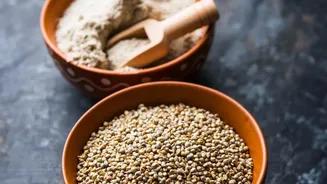
For generations, Ambali has been a nourishing staple in states like Karnataka, Andhra Pradesh, and Telangana. Made from finger millet, or ragi, it's a simple, thin porridge traditionally consumed by farmers for its cooling and energising properties. The
process is straightforward: ragi flour is cooked into a gruel and then left to ferment overnight, typically for 8-12 hours. This natural fermentation gives the drink its characteristic mild, tangy flavour and a slightly earthy taste from the millet. Often served savoury with buttermilk, salt, and finely chopped onions, or sometimes sweetened with jaggery, Ambali has long been a go-to meal for its hydrating and restorative qualities, especially during hot weather.
The Probiotic Powerhouse
The secret to Ambali's newfound fame lies in one word: probiotics. The overnight fermentation process doesn't just add flavour; it transforms the porridge into a gut-friendly elixir. This process encourages the growth of beneficial bacteria, like Lactobacillus, which are essential for a healthy digestive system. These natural probiotics can help improve digestion, reduce bloating, and support overall gut health. But the benefits don't stop there. Fermentation also breaks down anti-nutrients like phytic acid, making it easier for the body to absorb the rich minerals found in ragi, such as calcium and iron. Unlike many modern health drinks, Ambali's benefits are rooted in a time-tested tradition of enhancing food's nutritional value naturally.
Ragi: The Unsung Super-Grain
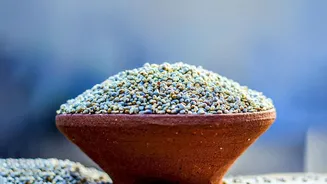
At the heart of Ambali is ragi, a true superfood. This resilient grain is a nutritional powerhouse, celebrated for being one of the richest plant-based sources of calcium, vital for bone health. It's also packed with dietary fibre, which promotes a feeling of fullness and aids in weight management. With a low glycemic index, ragi helps in regulating blood sugar levels, making it a suitable choice for many. Being naturally gluten-free, it's an excellent option for those with gluten intolerance or celiac disease. As consumers increasingly look for local and sustainable alternatives to imported grains, the humble finger millet is finally getting the recognition it deserves.
From Village Kitchen to Cafe Menu
The shift from a traditional household drink to a trendy cafe offering signals a larger cultural movement. Across India's urban centres, a renewed pride in local food traditions is taking hold. Cafes and health-focused eateries in cities like Bengaluru are adding millet-based dishes, including ragi porridge and dosas, to their menus. This trend is driven by a generation of consumers who are wellness-conscious and eager to reconnect with their roots. They are looking for authenticity and nutritional value, turning away from generic global health fads toward the wisdom of their own culinary heritage. Serving Ambali is no longer just about offering a drink; it's about providing a taste of tradition packaged for a modern lifestyle.
A Modern Makeover
While the core recipe remains the same, cafes are giving Ambali a contemporary twist. Instead of being served in a simple tumbler, it might appear in a stylish bowl topped with fresh fruits, nuts, and seeds. Some establishments are blending it into savoury smoothies with mint and cumin or sweetening it with jaggery and cardamom for a dessert-like drink. These creative presentations make the traditional porridge more approachable and visually appealing to a younger, Instagram-savvy audience. This modern makeover bridges the gap between the past and the present, transforming a simple, rustic food into a desirable, aspirational lifestyle choice without losing its healthful essence.