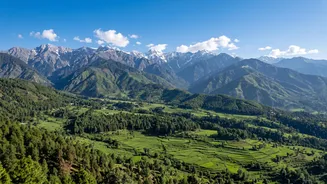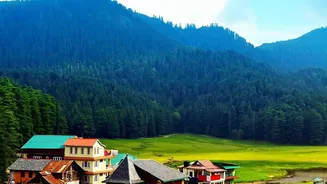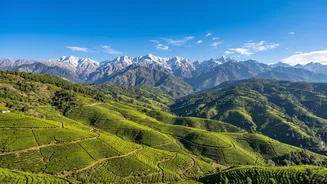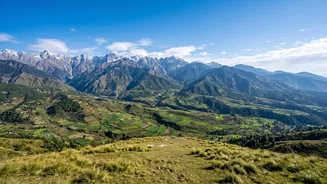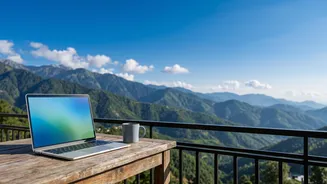







The Office with a Himalayan View
For decades, a successful tech career in India meant migrating to bustling metro hubs like Bengaluru, Pune, or Gurugram. But the widespread adoption of remote work has untethered professionals from their physical offices, allowing them to chase a different
kind of life. Now, a quiet migration is happening—not to crowded cities, but away from them. Leading this trend is Bir Billing, a serene town in Himachal Pradesh long celebrated as one of the world's best paragliding destinations. It's quietly transforming into a haven for digital nomads, especially those in the tech industry who are trading cubicles and traffic for mountain air and a slower, more intentional pace of life. People come for the paragliding but find themselves staying for the lifestyle.
Dial-Up Dreams to Fiber Reality
The most critical question for any aspiring workationer is simple: how's the Wi-Fi? A few years ago, working from the mountains was a romantic but often impractical dream, plagued by connectivity issues. Today, that's changed dramatically. Major towns in Himachal, including Bir, now boast reliable fiber broadband, with speeds of 100 Mbps or more becoming common in cafes, hostels, and co-living spaces. Establishments like Bir Nest and Flashpackers explicitly cater to remote workers, offering redundant internet connections and power backups to ensure that a Zoom call is never dropped, even during monsoon season. This robust digital infrastructure is the bedrock of Bir's new economy, making it a genuinely viable base for professionals who need to stay connected.
Log Off, Take Flight
The unique appeal of Bir lies in what happens after the laptop is closed for the day. This isn't just about working with a better background; it's about integrating genuine adventure into daily life. The town is structured around the paragliding landing site, which serves as a community hub and a constant reminder of the thrill that awaits. For tech workers accustomed to screen-heavy days, the opportunity to literally take flight offers a profound mental reset. Beyond paragliding, the area offers a wealth of outdoor activities, from trekking through pristine forests to exploring peaceful monasteries and discovering hidden waterfalls. The evenings aren't about nightlife; they're about sunsets, bonfires, and connecting with a community of like-minded individuals.
The New Community and Coworking Culture
Unlike other tourist towns that empty out, Bir has cultivated a steady community of long-stay travelers, freelancers, and remote employees. This has given rise to a vibrant café culture and informal networking scene. Spaces like Zostel and The Hosteller provide social hubs, while dozens of smaller, independent cafes offer cozy corners for focused work. This environment fosters a unique blend of productivity and social connection. A coder might find herself brainstorming a project with a graphic designer she met over coffee, or a product manager might join a weekend trek with a group of fellow nomads. It’s this sense of community, combined with the tranquil environment, that turns a temporary work trip into a longer, more meaningful stay for many.
The Practicalities of a Mountain Workation
The dream of working from the mountains is surprisingly affordable. The cost of living in Bir is significantly lower than in India's major cities, with monthly expenses for a comfortable lifestyle ranging from ₹20,000 to ₹30,000. Accommodation options are plentiful, from budget-friendly hostel dorms and co-living spaces to private rooms in local homestays. The best time to visit for clear skies and ideal paragliding conditions is from March to June and again from September to November. For those planning a longer stay, renting a scooter is a popular way to explore the surrounding valleys. The town's layout is walkable, with most cafes and essentials located near the Tibetan Colony and the landing site.