




What is Paw Pododermatitis?
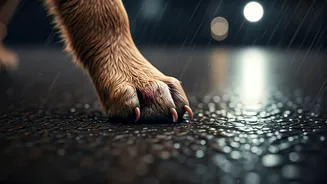
Pododermatitis isn't a single disease, but a medical term for inflammation of the skin on the paws. It can affect the skin between the toes, the paw pads, and even the nail beds. You might notice redness, swelling, and your puppy constantly licking or chewing
at its feet. In some cases, you may see bumps, sores that discharge fluid, or even experience some bleeding. It’s a common but uncomfortable condition that can be caused by a variety of factors, including allergies, parasites, foreign bodies like splinters, and, significantly, infections.
The Monsoon and Waterlogged Streets Connection
During the monsoon, streets are frequently flooded with stagnant water. This water is often a cocktail of dirt, bacteria, and other contaminants. When your puppy happily splashes through these puddles, their paws are exposed to prolonged moisture. This constant dampness softens the paw pads and the delicate skin between the toes, making them weak and vulnerable. A healthy paw has a natural barrier, but this constant wetness compromises it, creating a perfect warm, humid environment for bacteria and fungi like yeast to thrive, leading to secondary infections. Some bacteria, like Pseudomonas, particularly love wet environments and can cause nasty infections. This is why you might see a sudden flare-up of paw problems during the rainy season.
Why Are Puppies More Vulnerable?
Several factors make puppies particularly susceptible. Their immune systems are still developing, making them less equipped to fight off infections compared to adult dogs. Puppy skin is also naturally more sensitive and delicate. Furthermore, puppies are endlessly curious and energetic, often diving into puddles without a second thought, increasing their exposure to contaminated water. Their tendency to explore the world with their mouths also means they may lick their paws more often, introducing bacteria from their mouth to already irritated skin and potentially making the infection worse. This combination of a developing immune system, sensitive skin, and boundless enthusiasm creates a higher risk for developing pododermatitis.
Spotting the Warning Signs
Early detection is key to managing pododermatitis. Be on the lookout for tell-tale signs after your walks. Constant licking or chewing of the paws is a major red flag, as this is your puppy's way of telling you something is wrong. Visually inspect their paws for redness and swelling, especially in the skin between their toes. You may also notice hair loss on the affected areas. In light-coloured dogs, saliva from licking can cause reddish-brown staining on the fur. If the inflammation is painful, your puppy might limp or seem reluctant to walk. Any sores, blisters, or discharging nodules require immediate attention.
Prevention is the Best Medicine
The best approach is to be proactive with paw care during the monsoon. After every single walk, thoroughly wash and dry your puppy's paws. Pay special attention to drying the area between the toes where moisture loves to hide. You can use a soft towel or even a hairdryer on a low, cool setting. Investing in a pair of waterproof dog booties can provide an excellent physical barrier against wet, dirty streets. Keeping the fur between the paw pads trimmed short can also help, as it reduces the amount of moisture and debris that gets trapped. Finally, never let your dog drink from puddles, as stagnant water is a breeding ground for parasites and bacteria that can cause a host of other illnesses.