






What Is This New Travel Service?
The National Payments Corporation of India (NPCI), the brain behind UPI, has been steadily expanding its international footprint through its subsidiary, NPCI International Payments Limited (NIPL). While direct payment by scanning a QR code has been available
in several countries for a while, the system is now integrating more deeply with travel services. This means Indian travellers can use their familiar UPI apps not just for payments abroad, but also for booking elements of their trips. This move aims to simplify the entire travel process, from initial planning to on-the-ground expenses. The goal is to create a seamless and cost-effective alternative to traditional methods that often involve hefty foreign exchange markups and transaction fees.
How Does It Work for Travellers?
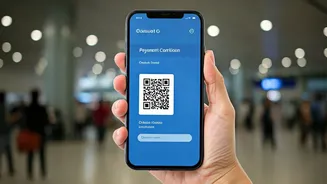
For Indian travellers going abroad, the process begins before you even leave. Several major UPI apps like PhonePe, Google Pay, and Paytm now allow you to activate 'UPI International' for your bank account. Once activated, you can make payments by scanning international QR codes in supported countries, including France, the UAE, Singapore, Bhutan, and Nepal. The payment is deducted from your Indian bank account in rupees, with the app showing you the real-time exchange rate and any applicable fees, offering greater transparency. This system extends to online bookings as well. For instance, Indian tourists can now buy tickets for the Eiffel Tower online using UPI, a service made possible through a partnership between NIPL and French payment leader Lyra. This integration makes it easier to book hotels, tours, and other services in advance directly from India.
The Key Benefits: Cost and Convenience
The primary advantage is convenience. Using the same app you use for daily transactions in India to pay for a coffee in Paris or a souvenir in Dubai eliminates the friction of learning new payment systems. It reduces the need to carry large amounts of foreign currency or rely solely on credit cards, which may not be accepted everywhere and often come with high charges. Cost-effectiveness is another major draw. By reducing the role of intermediaries, UPI international transactions often feature lower foreign exchange margins compared to credit cards or forex cards. The system’s real-time nature ensures you know exactly how much you're spending in rupees, making budgeting for a trip much simpler.
A Global Welcome Mat for Visitors to India
The initiative isn't just for Indians travelling out; it also works the other way. Through a service called 'UPI One World', foreign tourists visiting India can get a prepaid wallet linked to UPI. This allows visitors from any country to load funds into a wallet and make QR code-based payments across India without needing an Indian bank account. They can get this wallet activated at airports, hotels, or designated money exchange counters by completing a KYC process with their passport and visa. This not only enhances the tourist experience but also boosts the digital economy by making it easier for international visitors to transact with millions of small merchants across the country.
The Bigger Picture: India's FinTech Diplomacy
This expansion into travel planning is a strategic part of India's ambition to globalize its digital payment infrastructure. By partnering with local payment systems and banks in different countries, NPCI is creating a vast, interoperable network. This push is not just about payments; it's about exporting a successful public technology model and deepening economic ties. As more countries adopt similar real-time payment systems, the potential for seamless cross-border transactions grows, benefiting not just tourists but also businesses and individuals sending remittances. The integration with major travel aggregators, a trend that began years ago with platforms like Yatra.com adopting UPI for domestic bookings, is now set to accelerate on a global scale.