






A Fundamental Shift in Travel Priorities
The post-pandemic world has accelerated a global re-evaluation of what truly matters, and travel has not been immune. Faced with burnout and digital fatigue, both domestic and international tourists are increasingly prioritizing mental and physical health.
This has fueled a powerful shift away from short-term indulgences towards experiences that offer lasting transformation. In India, a country with ancient roots in holistic healing, this global trend is finding fertile ground. The result is the rapid expansion of a market that was once a niche concern into a significant economic force, expected to grow substantially in the coming years. This new market is less about where you go, and more about how you feel when you are there.
Beyond the Spa: Defining Nature-Wellness Travel
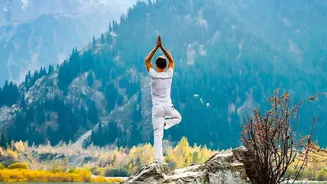
When you hear “wellness travel,” it’s easy to picture a simple spa treatment. But the new market is far more immersive. It’s about the seamless integration of well-being with natural surroundings. Think of yoga and meditation retreats in the Himalayan foothills of Rishikesh, where the Ganga provides a spiritual backdrop. Consider Ayurvedic rejuvenation programs in Kerala, where therapies are complemented by the state’s lush backwaters and tropical calm. This new category includes everything from digital detoxes and sleep improvement programs to forest bathing, sound healing, and farm-to-table organic dining. The core idea is that the destination itself — its tranquility, its air, its natural rhythms — is a key part of the healing process.
India’s Geographic Advantage
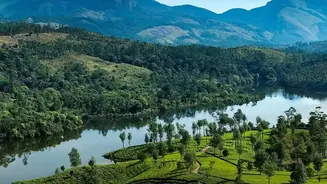
India’s diverse geography is one of its greatest assets in this emerging market. There is no one-size-fits-all wellness experience. The serene, pine-forested slopes of Himachal Pradesh offer solitude and contemplation, often without a formal wellness program. In the south, the misty coffee plantations of Coorg provide a sensory reset, encouraging slow travel and mindfulness. For those seeking structured, traditional healing, Kerala remains a global hub for authentic Ayurveda. Meanwhile, eco-conscious lodges and boutique retreats in Goa and Karnataka are offering a more restrained, intimate version of wellness that blends with coastal life. The domestic market, in particular, is a major driver, with rising disposable incomes and a renewed interest in exploring India’s own healing traditions.
The Rise of Authentic and Sustainable Experiences
As the market grows, so does the sophistication of its consumers. Travellers are becoming more discerning, seeking authenticity and sustainability over superficial wellness branding. This means a demand for highly personalized programs, often based on individual consultations with Ayurvedic doctors or yoga masters. There is also a growing emphasis on eco-friendly practices. Many leading retreats now focus on solar power, water conservation, organic farming, and supporting local communities, understanding that personal well-being is connected to the health of the planet. This conscious approach is helping to differentiate genuine holistic centers from those simply capitalizing on a trend. Government initiatives like the e-Ayush visa, designed for tourists seeking traditional therapies, are further legitimizing and simplifying access to these experiences for international visitors.