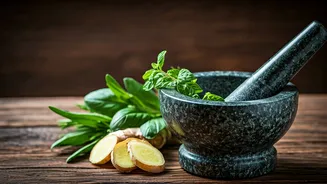









Why Warmth Matters This Season
The monsoon brings welcome relief from the scorching summer heat, but the drop in temperature and rise in humidity can create a challenging environment for our bodies. According to Ayurvedic principles, the monsoon season can dampen our ‘agni,’ or digestive
fire, making us more susceptible to indigestion and bloating. Warm beverages, especially herbal teas, help rekindle this internal fire, aiding digestion and improving gut health. From a modern scientific standpoint, warm liquids are excellent for staying hydrated, soothing irritated throats, and loosening congestion. The steam from a hot cup can help clear nasal passages, while the warmth itself has a comforting effect that can reduce stress and support the immune system. It’s a simple, foundational practice for holistic well-being during the damp months.
The Classic Immunity-Boosting Masala Chai
For many in India, the monsoon is synonymous with a steaming cup of masala chai. More than just a cultural staple, this spiced tea is a powerhouse of health benefits. A typical masala chai blend includes ginger, cardamom, cinnamon, cloves, and black pepper, each with its own potent properties. Ginger is a well-known anti-inflammatory and digestive aid. Cloves possess antiseptic qualities that can help fend off infections. Cinnamon is loaded with antioxidants and can help regulate blood sugar, while cardamom aids digestion and fights bad breath. When brewed together with robust black tea and milk, these spices create a synergistic blend that warms the body from the inside out, boosts immunity, and provides a delicious defense against colds and flu.
The Soothing Power of Ginger-Lemon-Honey
When you feel the first tickle of a sore throat, a cup of ginger-lemon-honey tea is the ultimate go-to remedy. This classic concoction is not just an old wives’ tale; its effectiveness is backed by the properties of its ingredients. Ginger contains gingerol, a substance with powerful anti-inflammatory and antioxidant effects that can help fight infections. Lemon is packed with Vitamin C, a crucial nutrient for a robust immune system. It also helps to alkalize the body. Raw honey acts as a natural cough suppressant and has antibacterial properties that can soothe a raw, painful throat. Together, they form a potent, comforting brew that helps alleviate symptoms of the common cold and provides a much-needed dose of hydration and comfort on a rainy day.
The Sacred Protection of Tulsi Tea
Tulsi, or Holy Basil, holds a revered place in Indian households for its medicinal properties. As a tea, it is one of the best allies you can have during the monsoon. Tulsi is classified as an adaptogen, which means it helps the body adapt to physical and emotional stress, thereby supporting overall resilience. It is rich in antioxidants and has proven antimicrobial, antiviral, and anti-fungal properties, making it particularly effective at preventing the respiratory infections that are rampant in damp weather. A daily cup of Tulsi tea can help modulate the immune system, clear congestion in the chest, and promote respiratory health. It is a simple, caffeine-free way to build your body's natural defenses.
The Anti-Inflammatory Glow of Turmeric Tea
Often called 'golden milk' when prepared with milk, turmeric tea is a potent anti-inflammatory beverage perfect for the monsoon. The humidity and dampness can often aggravate joint pain and stiffness, and this is where turmeric shines. Its active compound, curcumin, is a powerful anti-inflammatory agent that can help alleviate aches and pains. Furthermore, curcumin is a strong antioxidant that supports liver function and boosts immunity. To increase its effectiveness, always add a pinch of black pepper to your turmeric tea. The piperine in pepper enhances the absorption of curcumin by up to 2,000%. A warm mug of turmeric tea is not only soothing but also a proactive way to combat inflammation and keep your body feeling its best.