





The Promise in the Peel
The logic behind banana peel water is straightforward. Bananas are famously rich in potassium, an essential macronutrient for plants. Potassium plays a vital role in everything from water movement and enzyme activation to flower and fruit development.
A plant deficient in potassium might show yellowing along the edges of its oldest leaves, have weak stems, and produce poor-quality fruit. The idea is that by soaking banana peels in water, you can extract this valuable potassium and create a nutrient-rich liquid fertilizer—a completely natural and free 'potash' boost for your houseplants and garden.
How to Make Banana Peel Water
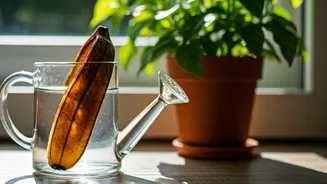
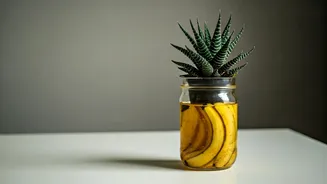
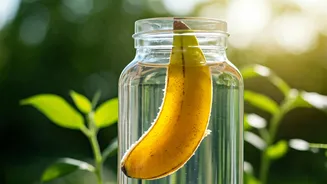
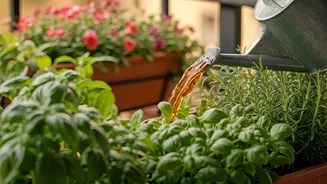
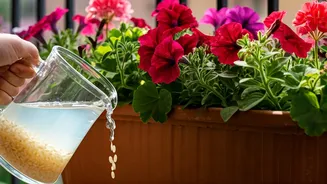
Making this 'banana tea' is incredibly simple, which is a huge part of its appeal. There are two common methods: 1. **The Simple Soak:** Take the peels from one or two bananas and place them in a large jar. Fill the jar with water (about 500ml to 1 litre) and seal it. Let it sit for anywhere from 48 hours to a week. The water will turn a light brownish colour and may smell slightly sweet or fermented. After soaking, remove the peels and dilute the resulting liquid with an equal amount of fresh water before using it to water your plants. 2. **The Boiled Brew:** For a quicker method, you can chop up the peels, place them in a saucepan with water, and bring it to a boil. Simmer for 10-15 minutes. Let the water cool completely, then strain out the peels. This brew is more concentrated, so it’s best to dilute it with two parts water for every one part of the banana brew before applying.
A Reality Check on Nutrients
Here's where we need to manage expectations. While banana peels absolutely contain potassium (along with smaller amounts of nitrogen, phosphorus, and magnesium), the process of soaking them in water is not very efficient at extracting these nutrients. Scientific analysis shows that the amount of potassium that actually leaches into the water is minimal. One study found that the resulting liquid contained such low concentrations that it was barely distinguishable from plain tap water in terms of nutrient value. So, while you are adding *some* potassium, it's not the powerful, magical elixir that online tutorials might suggest. It cannot replace a balanced fertilizer for plants showing signs of a true deficiency.
The Real, Unseen Benefits
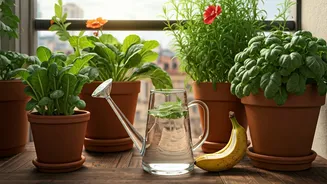
Just because banana peel water isn't a nutrient powerhouse doesn't mean it's useless. Think of it less as a 'fertilizer' and more as a 'tonic' or a soil conditioner. The sugars released from the peel during soaking can be a food source for beneficial microbes in the soil. A healthy soil microbiome is crucial for nutrient cycling, disease suppression, and overall plant health. So, when you use banana water, you're not just feeding the plant—you're feeding the soil. It's a harmless, gentle amendment that contributes to a healthier soil ecosystem, which is always a good thing. Plus, it’s an excellent way to get into the habit of recycling kitchen waste.
Better Ways to Use Your Peels
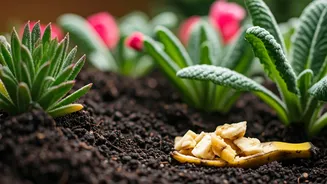
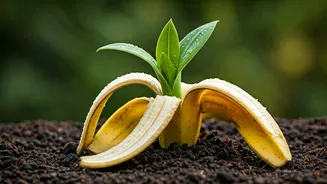
If your goal is to deliver the maximum amount of nutrients from your banana peels to your plants, there are far more effective methods than making a tea. * **Composting:** This is the gold standard. Adding banana peels to your compost pile allows them to break down completely, releasing their full spectrum of nutrients into a rich, stable form that plants can easily absorb. * **Chop and Drop:** You can simply chop the peel into small pieces and bury it an inch or two deep in the soil around your plants (away from the main stem). As it decomposes, it will release nutrients directly into the root zone. Be aware this can sometimes attract pests in certain areas, so use this method with caution outdoors. * **Dry and Grind:** Dehydrate the peels until they are brittle (in a low oven or a dehydrator), then grind them into a powder. This powder can be sprinkled lightly onto the soil and watered in, creating a slow-release source of nutrients.