




A Spectacle in the Sand
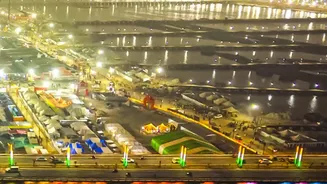
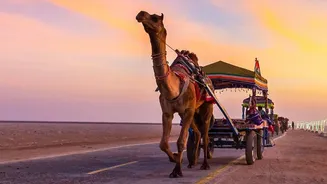
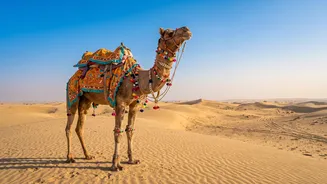
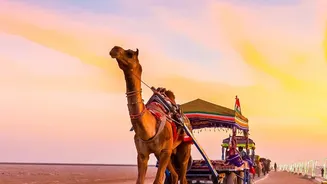
Imagine a sea of over 50,000 camels, horses, and cattle gathered on the dunes, their owners, herders from across Rajasthan, negotiating deals that have been struck this way for centuries. This is the heart of the Pushkar Mela, or Pushkar Camel Fair. It
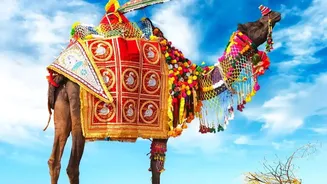
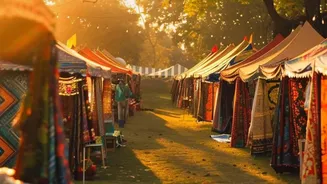
begins as a massive livestock market, one of the largest in the world, before transforming into a full-blown cultural festival. The air is thick with the scent of woodsmoke and desert dust, and the sounds of folk music, tinkling camel bells, and spirited haggling create a unique symphony. For visitors, the fair is a visual feast, a vibrant tapestry of brightly coloured turbans, intricate textiles, and decorated animals against the backdrop of the golden desert.
More Than Just Camels
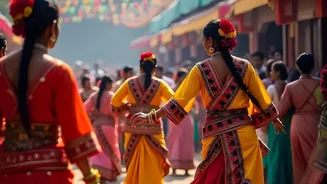
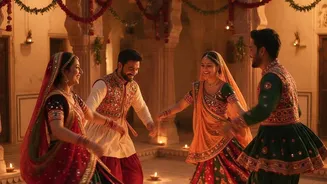
While the livestock trade is the genesis of the fair, it's the cultural and spiritual dimensions that make it unforgettable. The fair's schedule is split into two halves: the first few days, from November 17-20, are dominated by the serious business of animal trading. This is the most authentic time to witness the fair's commercial roots. The middle days, around November 21-22, transition into a cultural extravaganza with a packed programme of events. Expect to see everything from thrilling camel races and camel beauty pageants to unique competitions for the longest moustache. There are also tug-of-war matches, folk dance performances, and traditional puppet shows that bring the fairgrounds to life.
The Spiritual Heart of the Fair
The entire event builds towards Kartik Purnima, the full moon day on November 24, which is a deeply significant day in the Hindu calendar. On this day, the focus shifts from the dunes to the sacred Pushkar Lake. Pushkar is one of Hinduism’s most important pilgrimage sites, home to one of the world's few temples dedicated to the creator god, Brahma. Thousands of pilgrims converge to take a holy dip in the lake's waters, a ritual believed to wash away sins and grant salvation. The atmosphere around the ghats becomes electric with devotion, temple bells, and evening aarti (prayers), offering a peaceful and profound contrast to the lively chaos of the fairground.
Planning Your Desert Adventure
Attending the Pushkar Mela requires planning, as accommodation gets booked months in advance. Options range from heritage hotels and guesthouses in town to atmospheric tented camps set up near the fairgrounds. Many visitors choose to stay in the nearby city of Ajmer, which is the closest railway hub, and travel to Pushkar by road. Ajmer is about 30 minutes away, while the nearest major airport is in Jaipur, roughly a three-hour drive. When packing, bring light, breathable clothes for the warm days and a jacket for chilly desert evenings. Remember that Pushkar is a holy town, so respectful dress is advised, and alcohol and non-vegetarian food are prohibited.
Tips for the First-Time Visitor
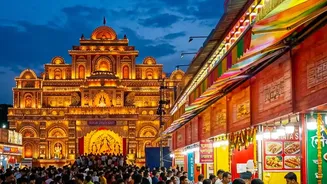
To truly capture the magic, arrive at the fairgrounds by sunrise. The early morning light is perfect for photography, and you'll see the traders and herders preparing their animals before the day's heat and crowds set in. For a breathtaking view, consider a hot air balloon ride at dawn, which has become a popular feature in recent years. While exploring the markets, you'll find everything from traditional Rajasthani crafts to delicious local food like 'dal baati churma' and 'malpua'. Carry cash, as many vendors won't have digital payment options, and ATMs can run dry during peak days.