

The Lid: A Simple Tool, A Major Impact
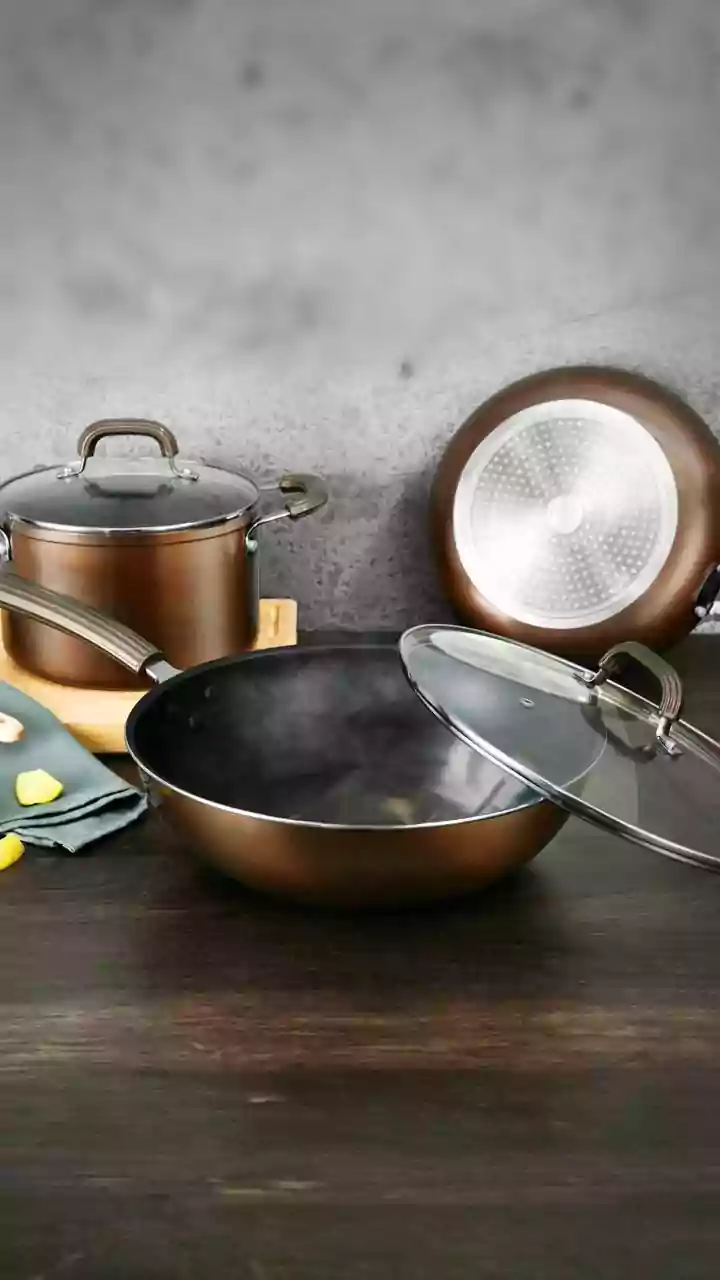
At its core, cooking is about managing heat and moisture. A lid is your primary tool for controlling both. When a recipe simply says “simmer for 20 minutes,” it leaves out the most critical variable. Simmering with the lid on creates a hot, steamy environment
that traps moisture. That steam condenses on the lid and drips back down, keeping the dish hydrated and cooking ingredients gently and evenly. On the other hand, simmering with the lid off allows that steam to escape. This is crucial for reducing liquids and concentrating flavors, turning a thin broth into a rich, clinging sauce. The difference between these two states is so significant that it can completely alter a dish's final texture and taste.
The Science of Steam vs. Searing
The two environments—covered and uncovered—are governed by different scientific principles. A covered pot is all about moist heat. It traps steam, which is excellent for tenderizing tough cuts of meat in a braise, cooking rice evenly, or steaming vegetables so they remain plump. This method cooks food more quickly and efficiently by preventing heat from escaping. Conversely, an uncovered pan promotes dry heat and evaporation. Moisture is the enemy of browning; you need a dry surface to achieve the flavorful crust from the Maillard reaction on a seared steak or crispy chicken skin. If you try to brown meat in a covered pan, the trapped steam will simply steam the food, preventing any browning. This is also why reducing a sauce requires an open pot—evaporation is what thickens the liquid and deepens its flavor.
When to Keep It Covered
So, when should you insist on using a lid? The primary goal of covering a pot is to retain moisture and heat. This is your go-to method for several key tasks. Use a lid when you want to bring water to a boil faster, as it traps energy and speeds up the process. It's essential for cooking foods that need to absorb liquid, such as rice, quinoa, and dried beans. For long, slow cooking methods like braising a pot roast or making a stew where you want the meat to become fall-apart tender without the liquid evaporating, a lid is non-negotiable. If you've made a soup or sauce that has reached the perfect consistency but the vegetables or meat still need more time to cook, putting a lid on will lock in that texture while everything finishes cooking.
The Case for Cooking Uncovered
Leaving the lid off is just as intentional and important. This technique is all about reduction and texture. Any time you want to thicken a sauce, soup, or stew, you should remove the lid to allow excess water to evaporate. This concentrates the flavors, making them richer and more intense. If you're aiming for a golden-brown sear on meat or vegetables, an uncovered pan is a must to keep the surface dry and hot. The same applies to stir-frying and deep-frying, where trapped steam would make food soggy instead of crisp. If a pot is threatening to boil over, removing the lid instantly reduces the heat and intensity, giving you more control.
Decoding Vague Recipe Instructions
Until all recipes are written with this clarity, you'll have to become a culinary detective. If a recipe is vague, think about the desired outcome. Does the dish need to reduce and thicken? Lid off. Are you cooking tough vegetables or meat that needs to soften? Start with the lid on. A fantastic hybrid approach works for many dishes like casseroles or braises: start covered, then finish uncovered. Cooking covered for the first portion of the time allows dense ingredients to cook through gently. Removing the lid for the final 15-20 minutes allows the surface to brown and any excess liquid to cook off, giving you the best of both worlds. When in doubt, trust your judgment. If a sauce looks too thin, uncover it. If a stew is reducing too fast, cover it. This is how you move from just following a recipe to truly cooking.