





Saturn Takes Centre Stage
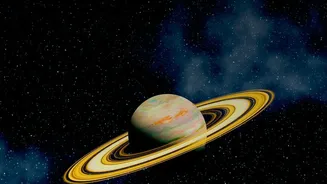
October kicks off with a magnificent showing from the ringed jewel of our solar system. On October 4, Saturn reaches opposition, meaning Earth will be directly between it and the Sun. This alignment makes Saturn appear at its biggest and brightest for
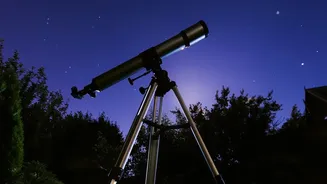
the year, visible to the naked eye all night long. For observers in India, the planet will rise in the eastern sky around 6:11 PM IST on October 4 and will be visible throughout the night, reaching its highest point just after midnight. While you can spot it without any equipment, a small telescope will reveal its famous rings, which may appear unusually bright due to a phenomenon called the Seeliger effect. The nights immediately surrounding October 4 are also perfect for viewing.
The Draconid Meteor Shower
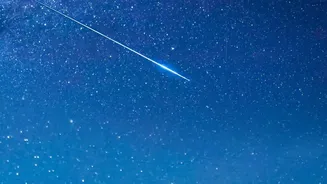
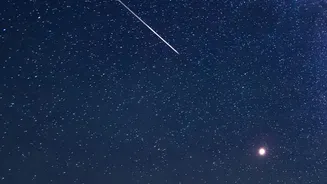
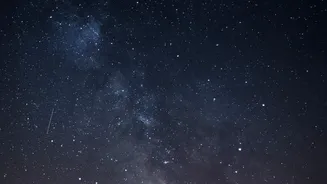
The first of two meteor showers this month, the Draconids, is set to peak on the night of October 8-9. Unlike most showers that are best viewed after midnight, the Draconids are an evening event, with the best viewing window opening just an hour or two after sunset. This shower is produced by debris from the comet 21P/Giacobini-Zinner. While it's typically a modest shower with about 5 to 10 meteors per hour, the Draconids are known for occasional outbursts of hundreds of meteors. This year, viewing conditions are excellent as the peak coincides with a nearly moonless sky, making even the fainter shooting stars visible. Look toward the northern sky to see the meteors appearing to radiate from the constellation Draco the Dragon.
The Orionids: Fire from Halley's Comet
Get ready for one of the year's most beloved celestial events: the Orionid meteor shower. Peaking on the night of October 21-22, the Orionids are famous for being fast, bright meteors created by dust particles left behind by the iconic Halley's Comet. At its peak, you can expect to see up to 20 meteors per hour under ideal conditions. The shower is active from October 2 to November 7, so you can try your luck on nights surrounding the peak as well. For the best show in 2026, you'll want to watch in the early morning hours, after midnight. A bright waxing gibbous moon will be present in the evening, but it will set later in the night, leaving the sky dark for prime viewing before dawn. Find a dark spot away from city lights, let your eyes adjust, and look up. The meteors will appear to streak from the constellation Orion but can be seen across the entire sky.
The Hunter's Full Moon
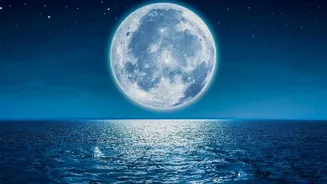
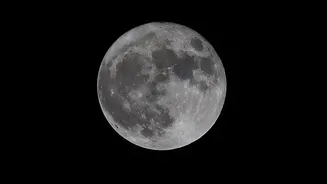
October’s celestial calendar closes with the bright glow of the Hunter's Moon, which reaches its peak illumination in the early hours of October 26 in India. Traditionally named because it follows the Harvest Moon, its light historically helped hunters track game in preparation for winter. While the technical peak is at 9:42 AM IST on October 26, the best time for viewing in India will be the evening of October 25, when you can watch the large, seemingly orange moon rise on the eastern horizon around sunset. This stunning sight requires no special equipment, just a clear view of the horizon. The moon will appear full and brilliant on the nights both before and after its official peak, offering plenty of opportunities to enjoy its seasonal glow.