






A Perfect Agricultural Storm
The incredible taste of monsoon corn starts with a simple agricultural fact: it’s incredibly fresh. Corn, or maize, is a primary Kharif crop in India, which means its main growing season aligns perfectly with the monsoon. Sown in June and July, it is harvested
right in the middle of the rainy season, from September to October. This means the bhutta you buy from a street-side vendor is often just hours or days off the stalk. This freshness is crucial. The moment corn is picked, its natural sugars begin a slow conversion into starch. The quicker it gets from the farm to the fire, the sweeter and more tender it tastes. Monsoon ensures a constant, fresh supply, unlike corn available at other times, which may have travelled further or been stored longer, losing its peak sweetness along the way.
The Science of a Sizzle
That irresistible smoky aroma and a beautifully charred exterior aren't just for show; they are the result of some delicious chemistry. When the corn hits the hot coals, a process known as the Maillard reaction kicks in. Occurring at temperatures typically above 140°C, this reaction is a complex interaction between the amino acids and reducing sugars within the corn kernels. This process creates hundreds of new flavour and aroma compounds, resulting in the deep, nutty, and roasted taste that is impossible to achieve by simply boiling or steaming. The charcoal fire provides the intense, dry heat necessary for this reaction, kissing the kernels with those perfect dark spots that balance the corn's natural sweetness with a hint of smoky bitterness.
More Than Just a Snack, It's a Ritual
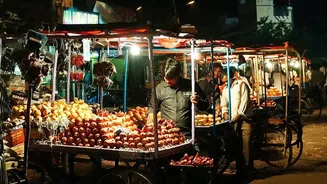
Let's be honest: a significant part of the flavour comes from the experience itself. Huddling under a vendor’s makeshift umbrella, watching the rhythmic turning of the cobs over glowing embers, and the sizzle as the vendor rubs it with a wedge of lemon dipped in salt and chilli powder—it’s a multi-sensory ritual. The tangy, spicy, and salty mixture cuts through the sweetness of the corn, creating a perfectly balanced flavour explosion in every bite. This combination of hot, sweet, sour, and spicy is a hallmark of Indian street food, and bhutta is its monsoon champion. This experience, shared across the country from bustling city streets to quiet hill stations, is deeply woven into our collective memory.
The Comfort of the Season
There's a psychological component, too. Rainy, gloomy weather often triggers a craving for warm, comforting foods. A hot-off-the-coals bhutta provides that immediate warmth and satisfaction. Unlike many fried monsoon snacks, it's also a relatively healthy choice. It’s packed with fibre and antioxidants, and since it’s roasted right in front of you, it’s a fresh and trustworthy street food option. The taste of monsoon corn is amplified by the season itself; it provides not just calories for energy but also a dose of nostalgia and a feeling of cosy contentment that feels tailor-made for a rainy day.