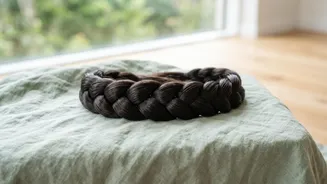






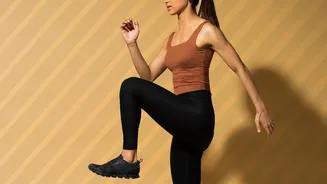
Finding a hairstyle that's both stylish and practical for the gym can feel like a workout in itself. For those with longer hair, the low braid is a perfect solution, keeping strands secure and off your neck without causing tension or headaches.
The Classic Three-Strand Braid
You can't
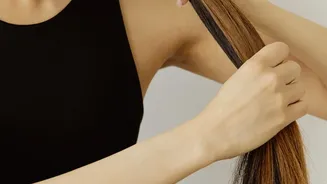
go wrong with a classic. A simple three-strand braid gathered at the nape of the neck is the foundation of all gym braids. It’s quick, easy, and effective at keeping your hair contained. By starting the braid low, you avoid the scalp tension that can come from tighter, higher styles like a high ponytail. This makes it ideal for everything from a light jog to floor exercises where you'll be lying on your back. For extra hold, start with a low ponytail secured with an elastic, then braid the length of the tail. This two-step process ensures the base is secure, letting you focus on your form, not your flyaways.
The Voluminous Bubble Braid
If you struggle with traditional braiding techniques, the bubble braid is your new best friend. This style requires no weaving at all and gives a voluminous, trendy look. Start with a low ponytail and secure it. Then, place additional elastics every few inches down the length of the ponytail. Gently pull apart each section between the elastics to create the signature 'bubble' effect. The more you pull, the more volume you create. This style is surprisingly secure for workouts and is a fun, modern alternative to a standard plait. It's especially great for post-workout plans since it looks intentionally stylish.
The Elegant Fishtail Braid
The fishtail braid looks intricate and complicated, but it's surprisingly simple to create and offers excellent staying power. Unlike a three-strand braid, a fishtail only uses two sections of hair. You simply take a small piece from the outside of one section and cross it over to the inside of the other, alternating sides. Starting from a low ponytail provides a secure base. The resulting pattern is not only beautiful but also holds hair tightly, making it a fantastic choice for more dynamic workouts. It keeps hair neat and is less likely to loosen up than a standard braid.
The Secure Dutch Braid
For high-intensity workouts, the Dutch braid is a champion of security. Often called an 'inside-out' or 'raised' braid, the technique involves crossing the outer strands under the middle strand, rather than over. This method creates a tighter, more defined braid that sits on top of the hair, giving it a 3D effect and locking every strand in place. A low Dutch braid starting at the nape prevents hair from whipping around during cardio or HIIT sessions. Because it's known for its strong hold, it's a go-to for athletes who need a style that will last through any level of activity.
Tips for a Gym-Proof Braid
To ensure your low braid withstands your entire workout, a little prep goes a long way. Starting with day-two hair can provide more grip than freshly washed, silky strands. If your hair is clean, a texturizing spray or a bit of dry shampoo at the roots can add the hold you need. Using small, clear elastics can offer a tighter grip than fabric hair ties. For extra security against frizz and sweat, especially around the hairline, consider wearing a sweat-wicking headband or a satin scarf. Finally, don't tie your braids so tightly that they cause pain or tension on your scalp, which can lead to breakage. The goal is a style that is secure but comfortable.