

The Celestial Show of the Season
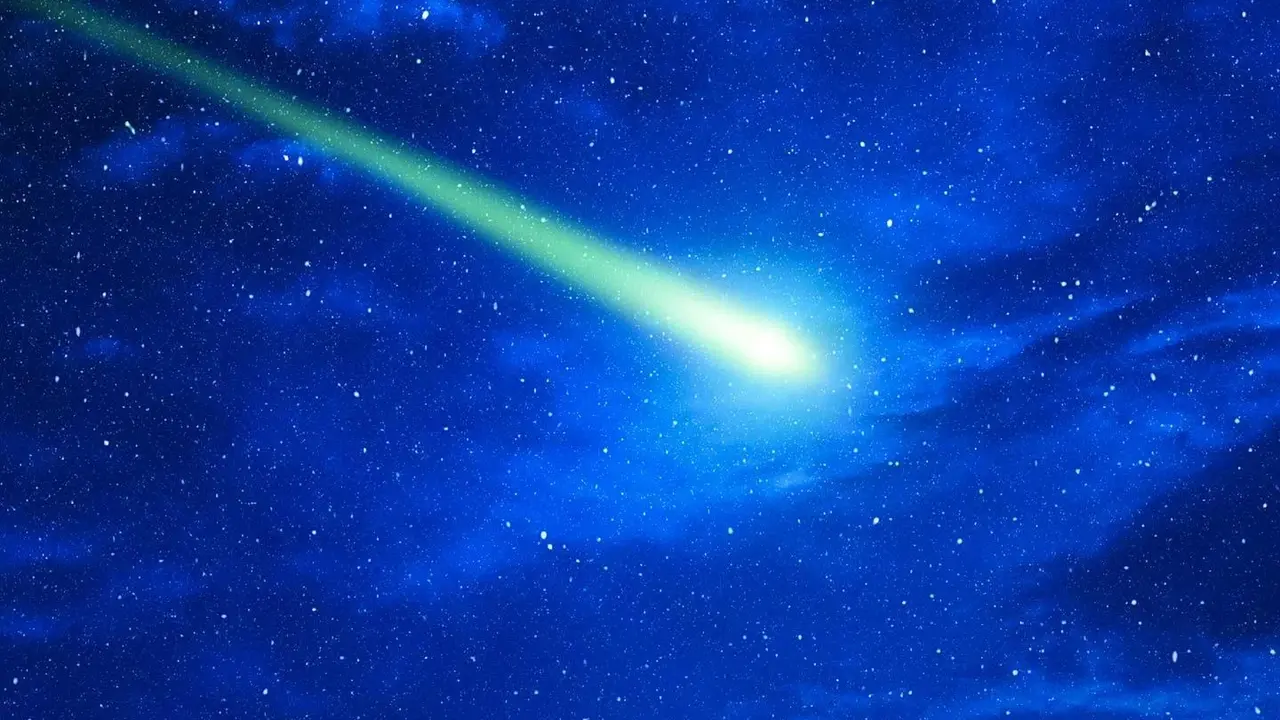
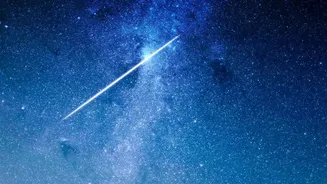
Every year in mid-August, Earth passes through the trail of debris left by Comet Swift-Tuttle, creating one of the most brilliant displays of the year: the Perseid meteor shower. This year's peak, on the nights of August 12-13, 2026, is set to be spectacular.
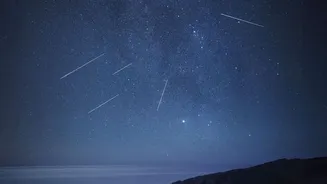
A new moon means the sky will be exceptionally dark, allowing even faint meteors to shine. Under ideal conditions, you could see up to 100 meteors per hour streaking across the sky. These fast, bright meteors often leave persistent trails, making them a stunning sight for anyone patient enough to watch. The best viewing time is typically after midnight until the early hours before dawn.
Your First Step: Escaping the Glow
The biggest enemy of any stargazer is light pollution. The glow from cities and towns can wash out all but the brightest celestial objects, reducing a meteor shower to a mere handful of visible streaks. To truly experience the spectacle, you need to find a location with a dark sky, classified on what is known as the Bortle scale, which runs from 1 (pristine) to 9 (inner-city sky). Major metros like Mumbai and Delhi are typically a Bortle 8 or 9. For good meteor watching, you need to find a location that is at least a Bortle 4 or lower. You can use online light pollution maps to find dark sites near you and plan your escape from the city glow.
Himalayan Havens: Ladakh and Spiti
For the absolute best views, head to the high-altitude deserts of the Himalayas. These regions are in a rain shadow, meaning they are often clear during the monsoon season that can cloud out skies elsewhere in India. Hanle in Ladakh is home to India's first official Dark Sky Reserve, offering some of the darkest skies in the world with a Bortle-1 rating. Here, the Milky Way is so bright it can cast a faint shadow. Spiti Valley in Himachal Pradesh is another celebrated destination, with villages like Kaza and Langza offering minimal light pollution and spectacular views. Both locations offer homestays and growing astro-tourism infrastructure, with some local villagers trained as astronomy guides.
Desert Dreams: Rajasthan and Kutch
The vast, open landscapes of the Thar Desert in Rajasthan and the Rann of Kutch in Gujarat offer incredible stargazing opportunities. In Rajasthan, areas around Jaisalmer, such as the Sam Sand Dunes, provide an accessible desert experience with clear skies. The Great Rann of Kutch is a surreal location where the white salt desert can reflect the starlight on a moonless night, creating an immersive celestial experience. While the Rann Utsav festival period (typically winter) is popular, traveling slightly away from the main camps will provide the darkest skies.
Southern Skies: Coorg and the Western Ghats
For those in South India, the Western Ghats offer fantastic dark sky pockets. Coorg (Kodagu) in Karnataka is a prime destination, where coffee plantations and forested hills block out light pollution. The southern valleys near the Brahmagiri foothills are particularly dark, rated as Bortle 2, offering views almost as pristine as the Himalayas. Places like Tadiandamol Peak, the highest in the region, provide an unfiltered view of the heavens. Some resorts and observatories in the area offer guided stargazing sessions, making it an accessible option for families and beginners.
Simple Tips for a Perfect Night
You don’t need any special equipment to enjoy a meteor shower; your eyes are the best tool. Find a comfortable spot where you can lie back on a blanket or reclining chair. Give your eyes at least 20-30 minutes to fully adapt to the darkness—and that means putting your phone away. Bright screens will ruin your night vision. If you need a light, use a torch covered with red cellophane, as red light has less impact on night vision. Check the weather forecast before you go, dress in warm layers as even summer nights can get chilly, and most importantly, be patient. Meteors come in waves, and the longer you watch, the more you will see.