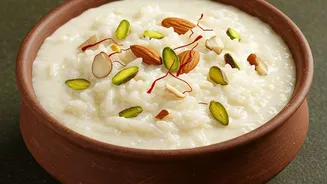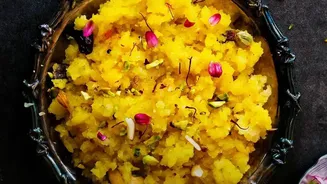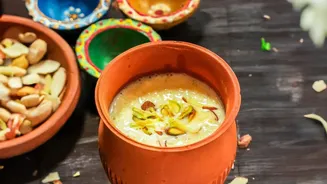






The post-Diwali season often brings a familiar guest: the seasonal cough and cold. For generations, many Indian households have turned to a warm, comforting bowl of besan sheera. But is it a cure, or is it comfort? Let's explore.
The Comforting Embrace of Tradition
In many Indian homes,
the first sign of a scratchy throat triggers a well-known ritual: the making of besan ka sheera. This warm, semi-thick beverage, made from gram flour, ghee, milk, and spices, is more than just a recipe; it's a tradition steeped in care. Often associated with dadi or nani's wisdom, it represents a comforting hug in a bowl, served hot to soothe and provide relief, especially before bedtime. This age-old remedy, particularly popular in Punjabi households, has long been the go-to for its therapeutic and comforting properties during the changing seasons. It’s a taste of nostalgia, a sensory reminder of being looked after when feeling under the weather.
Anatomy of a Soothing Remedy
The belief in besan sheera's effectiveness isn't just folklore; it’s rooted in its powerful ingredients. The primary component, besan (gram flour), is a source of protein and antioxidants that can help clear the nasal tract. Ghee, or clarified butter, acts as a natural lubricant, soothing an irritated throat and reducing dryness. The two most potent spices are turmeric and black pepper. Turmeric contains curcumin, a compound celebrated for its anti-inflammatory and antioxidant properties. Black pepper contains piperine, which dramatically increases the body's absorption of curcumin, by as much as 2000%, making the combination a powerful duo. Other spices like cardamom or ginger may also be added, which are known to act as natural decongestants and digestive aids.
Soothing Food, Not a Substitute for Medicine
Here is where the crucial distinction lies. The combination of warm liquid, nourishing ingredients like ghee, and anti-inflammatory spices can certainly provide symptomatic relief. A hot bowl of sheera can soothe a sore throat, provide a burst of energy when you're feeling fatigued, and its ingredients can help reduce inflammation. It provides comfort and can help you feel better, which is a significant part of enduring a common cold. However, it is not a medical treatment. Besan sheera cannot cure a viral or bacterial infection, which are the typical culprits behind colds and more serious respiratory issues. While it can help manage the symptoms, it does not eliminate the underlying cause of the illness. Think of it as a supportive measure, not a silver bullet.
When Tradition Should Give Way to a Doctor's Visit
Enjoying besan sheera as a comforting ritual is wonderful, but it's vital to recognise when professional medical advice is necessary. A common cold or cough should typically resolve within a couple of weeks. You should see a doctor if your symptoms persist for more than three weeks. Other red flags that warrant immediate medical attention include having a high or persistent fever, experiencing shortness of breath or difficulty breathing, coughing up blood, or feeling chest pain. While home remedies provide comfort and can support your body, they are not a replacement for a professional diagnosis and treatment plan, especially when symptoms are severe or prolonged.