



End the Cutting Board Crisis
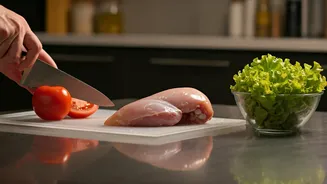
One of the most common kitchen mistakes is using the same cutting board for raw meat and fresh vegetables. This is a classic example of cross-contamination, where harmful bacteria from raw meat, poultry, or seafood can easily transfer to ready-to-eat
foods like salad ingredients. To prevent this, dedicate separate cutting boards for different food types. A simple system is to use colour-coded boards: one for raw meats, another for produce, and a third for bread or cheese. After each use, wash boards thoroughly with hot, soapy water. If your boards have deep grooves or cuts, it's time to replace them, as these crevices can harbour bacteria.
Master the Temperature Danger Zone
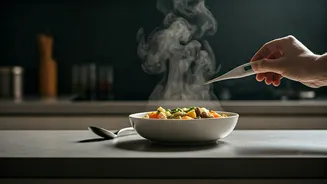
Bacteria thrive in what experts call the “danger zone,” temperatures between 40°F (about 4°C) and 140°F (60°C). Your refrigerator should be set at or below 40°F (4°C) and your freezer at 0°F (-18°C) or lower. Use an appliance thermometer to check these temperatures, as the built-in dials aren't always accurate. When it comes to cooking, colour is not a reliable indicator of doneness. The only way to ensure food is safe is by using a food thermometer. For example, all poultry must reach an internal temperature of 165°F (74°C) to be safe, while ground meats should be cooked to 160°F (71°C).
Stop Washing Raw Chicken
It may sound counterintuitive, but you should never wash raw chicken or other poultry before cooking. Rinsing raw chicken in the sink does not remove bacteria. Instead, it creates an aerosol of contaminated water droplets that can splash onto your counters, sink, and other utensils, spreading germs like Salmonella or Campylobacter. The only effective way to kill these harmful pathogens is to cook the poultry to the proper internal temperature of 165°F (74°C). If you need to remove any excess liquid from the packaging, simply pat the meat dry with a paper towel and then discard it.
Overhaul Your Storage Habits
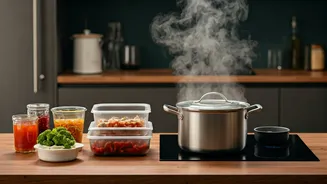
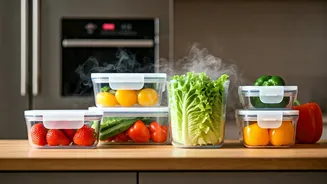
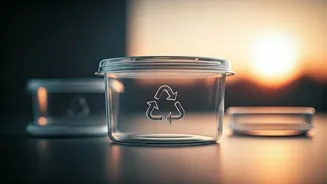
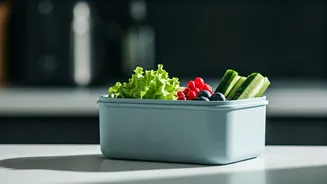
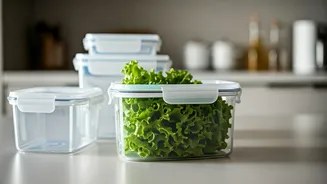
Proper food storage is a critical line of defence. To prevent cross-contamination in the fridge, always store raw meat, poultry, and fish in sealed containers on the bottom shelf. This prevents their juices from dripping onto other foods. When it comes to leftovers, don't let them sit out. They should be refrigerated within two hours of cooking to keep them out of the temperature danger zone. And don't overcrowd your refrigerator; cold air needs to circulate to keep food properly chilled. As a general rule, most leftovers should be consumed within three to four days. When in doubt, it's always safest to throw it out.
Rethink Your Kitchen Sponge
Your humble kitchen sponge can be one of the dirtiest items in your entire home, harbouring more bacteria than a toilet seat. Because they are often damp and full of food particles, sponges create an ideal environment for bacteria to multiply. Experts recommend replacing your kitchen sponge every one to two weeks, or even sooner if it starts to smell or look grimy. Between replacements, you can sanitise your sponge every few days by running it through the hot cycle of your dishwasher or microwaving it while wet for one minute. Also, consider using separate cloths for wiping counters versus washing dishes to reduce the spread of germs.