



From Backpacker Hub to Digital Den
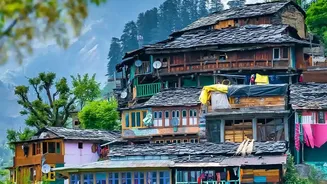
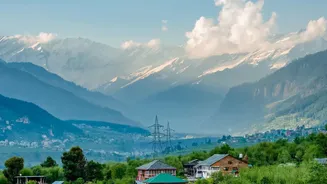
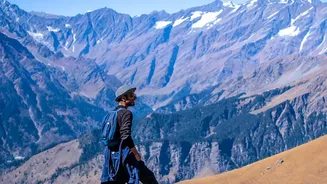
For years, Kasol was known as a laid-back stop on the backpacker trail, famous for its stunning Parvati Valley scenery and Israeli-inspired cafe culture. Often called 'Mini Israel', its primary draw was tourism and trekking. However, the nationwide shift
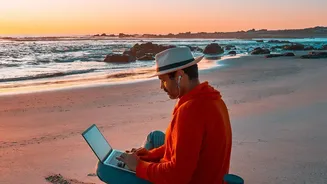
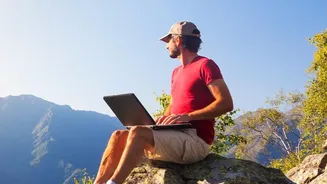
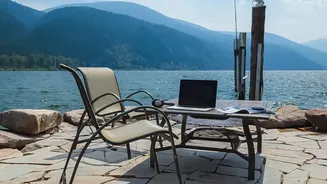
to remote work has transformed this quiet village. It now attracts a new demographic: developers, writers, designers, and entrepreneurs from across India. They are not just visiting for a week; many are opting for long-term stays, turning guesthouses and homestays into makeshift offices with breathtaking views. This evolution marks a significant change in the valley's character, blending its bohemian past with a tech-savvy present.
The New Essentials: Wi-Fi and a View
The primary driver of this trend is surprisingly practical: improved infrastructure. While once a connectivity dead zone, Kasol now offers reliable internet, a non-negotiable for any digital professional. Mobile networks like Jio and Airtel provide decent speeds, and many cafes, hostels, and homestays have upgraded to high-speed Wi-Fi to cater to this new clientele. Accommodation has also adapted. Beyond basic dorms, there's a rise in affordable long-term stays, including private rooms in homestays and serviced apartments, often with dedicated workspaces. These establishments understand that for a remote worker, reliable power backup and a strong Wi-Fi signal are as crucial as a clean bed and hot water.
The Appeal of a Slower Pace
The core appeal of Kasol lies beyond logistics. It offers an escape from the relentless pace and pollution of urban life. Professionals are drawn by the promise of peace, fresh mountain air, and a healthier work-life balance. The daily routine here is different. A work call can be followed by a walk along the Parvati River, and a stressful deadline can be balanced with a short trek to a nearby village like Chalal or Tosh. This integration of work and well-being is a powerful antidote to corporate burnout. The environment is seen as ideal for creative and focused work, offering a solitude that is hard to find in a bustling city. The vibrant community of like-minded travelers and creatives provides a social network, countering the isolation that can sometimes accompany remote work.
The Other Side of Paradise
However, the influx of remote workers is not without its challenges. While connectivity has improved, it can still be unreliable, especially during bad weather. Power cuts are a reality of mountain life, making a good power backup essential. The growing popularity has also led to commercialization and concerns about the strain on local resources and culture. What was once a quiet retreat now bustles with activity, and the cost of living, while still lower than in major cities, is rising. For the remote worker, other challenges include a lack of structured routine and the potential for blurred lines between work and leisure, which can sometimes lead to working more, not less. There's a fine line between a productive workation and a permanent vacation that hampers productivity.