






In an era dominated by the glamour of T20 cricket, the Ranji Trophy remains the soul of India’s sporting calendar. It’s more than a domestic tournament; it’s the foundation of Indian cricket, a crucible that forges legends.
A Legacy Nearly a Century Old
Established in 1934, the Ranji
Trophy is named after Kumar Shri Ranjitsinhji, the first Indian to play international cricket. Inaugurated in the 1934-35 season, the competition was created to be India's national cricket championship, a platform for states and regional teams to compete for domestic supremacy. The first-ever match was played on November 4, 1934, between Madras and Mysore. Its long and storied history makes it one of the oldest and most prestigious domestic cricket tournaments in the world, serving as the bedrock upon which Indian cricket's success has been built.
The Ultimate Test of a Cricketer
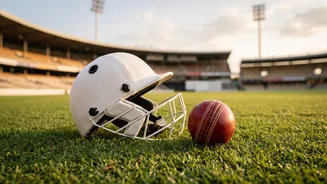
Unlike the fast-paced, explosive nature of the Indian Premier League (IPL), the Ranji Trophy is contested in the four-day and five-day formats of first-class cricket. This extended duration is a true examination of a player's technical skill, mental fortitude, physical endurance, and temperament. Bowlers must toil for long spells to earn their wickets, and batters have to build innings with patience and concentration. It’s a format that separates fleeting talent from genuine class, teaching players to adapt to varying conditions, from seaming tracks in the north to spinning pitches in the south. This rigorous test is why selectors consider it the ultimate university for producing Test-ready cricketers.
The Direct Pathway to Team India
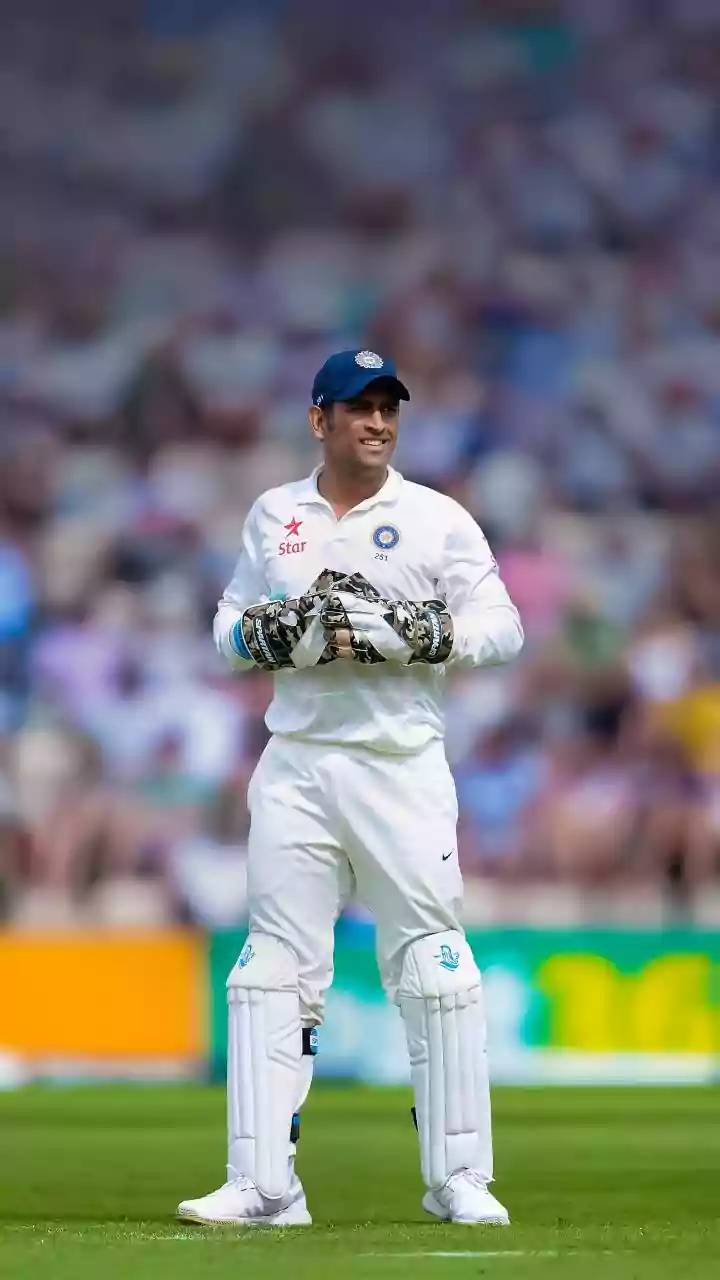
For generations, the Ranji Trophy has been the primary pipeline for talent into the Indian Test team. Legendary figures of Indian cricket, from Sunil Gavaskar and Sachin Tendulkar to Virat Kohli and Ravichandran Ashwin, all honed their skills and made their mark in this tournament before earning their international caps. A strong season, filled with consistent runs or a bagful of wickets, puts a player directly on the national selectors' radar. While the IPL offers a platform for white-ball recognition, consistent, high-level performance in the Ranji Trophy is still viewed as the most credible credential for a place in the coveted Test squad.
A Stage for State Pride and Rivalry
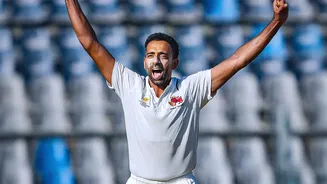
The Ranji Trophy is not played between city_based franchises but teams representing India's states and regional cricket associations. This structure fosters intense regional rivalries and a deep sense of pride. Matches between historical powerhouses like Mumbai, Karnataka, Delhi, and Tamil Nadu are fiercely contested battles for bragging rights. Mumbai (formerly Bombay) is the most successful team in the tournament's history, having won the title 42 times, including a record 15 consecutive victories from 1958 to 1973. This representation allows players to fight for the honour of their home state, adding an emotional depth that franchise cricket cannot replicate.
Navigating Challenges in the Modern Era
Despite its importance, the Ranji Trophy faces challenges. The immense financial rewards and global exposure of the IPL have, for some, overshadowed the prestige of domestic red_ball cricket. There are concerns about visibility, scheduling, and whether the tournament still guarantees a national call_up as it once did. However, the BCCI has recently reiterated the tournament's importance, encouraging top_tier players to participate to maintain its relevance. Even with the rise of T20 leagues, the Ranji Trophy's role in developing the core skills and resilience required for Test cricket remains undisputed, making it an irreplaceable part of the Indian cricket ecosystem.