







The Potent Taste of Nostalgia
For many in India, memories are seasonal, marked by the arrival of certain fruits. The frenzied excitement for the first crate of Alphonsos, the lazy summer afternoons spent wrestling with a giant jackfruit, or the sweet-and-sour burst of a jamun are etched
into our collective consciousness. These are more than just flavours; they are sensory bookmarks for a time of scraped knees, ancestral homes, and the simple joy of a shared harvest. This deep emotional connection to native fruits is a powerful cultural undercurrent, a language of taste understood across generations. It’s the memory of a grandmother’s pickles or a father’s pride in his small kitchen garden, all tied to the pulp and seed of a local fruit.
From Garden to Laboratory
While our memories remain preserved in time, the fruits themselves face modern challenges: climate change, shrinking biodiversity, and changing land use. This is where fruit science enters the picture. Across India, agricultural research institutes like the Indian Council of Agricultural Research (ICAR) and its various branches are working tirelessly behind the scenes. Their work involves everything from developing new fruit varieties that are more resilient to drought, to reviving long-lost indigenous species. Scientists use techniques like grafting, soil analysis, and sophisticated breeding programs to ensure that the fruits we love not only survive but thrive. They are creating a roadmap for a future where our fruit baskets can remain diverse and abundant. These efforts often go unnoticed by the public, confined to labs and research papers, but their impact is crucial for the nation's food security and agricultural heritage.
Where Memories Meet Microscopes
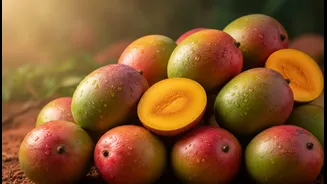
This is the magic of the modern fruit fair. Events like the International Mango Festival in Delhi, the Panruti Jackfruit Festival in Tamil Nadu, and various melas organised by horticultural departments serve as a vibrant meeting point for the past and the future. At these gatherings, the air is thick with the sweet aroma of hundreds of fruit varieties, many of which most people have never seen in a commercial market. Farmers stand proudly beside tables laden with their produce, from familiar names like Himsagar and Kesar to rare, local gems. Visitors can taste an astonishing diversity of flavours and textures. But alongside the tasting stalls, you’ll find scientists and agricultural experts. They host seminars and interactive sessions, explaining the science behind a fruit's sweetness, the benefits of certain cultivars, or demonstrating new farming technologies. These events educate visitors that there are more than just five or six kinds of mangoes, showcasing over 500 varieties at some festivals.
More Than Just a Fruit
These fairs are doing more than just satisfying a sweet tooth; they are building a crucial bridge. For farmers, it's a vital platform to connect directly with consumers, researchers, and potential exporters, boosting their income and validating their hard work. For the public, it is an education. It's a chance to understand the story behind their food—the immense effort, scientific innovation, and ecological importance of preserving native varieties. Events like Kerala's 'Chakka Mahotsavam' (Jackfruit Festival) have been instrumental in raising public awareness about the market potential and health benefits of a fruit once considered humble. By celebrating the fruit, these festivals also celebrate local economies, promote agritourism, and empower communities to protect their unique agricultural heritage. They transform the simple act of eating a fruit into an appreciation for biodiversity and the people who safeguard it.