


A European Vibe on an Asian Budget
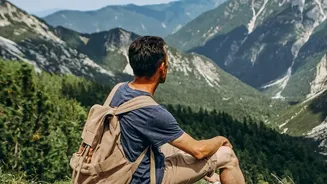
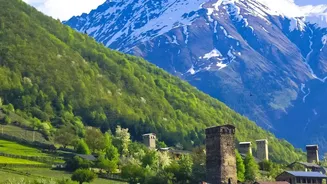
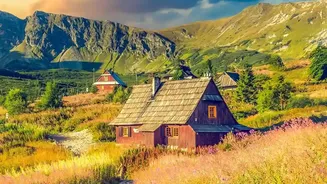
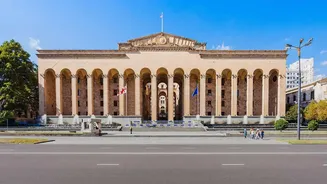
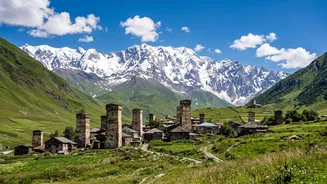
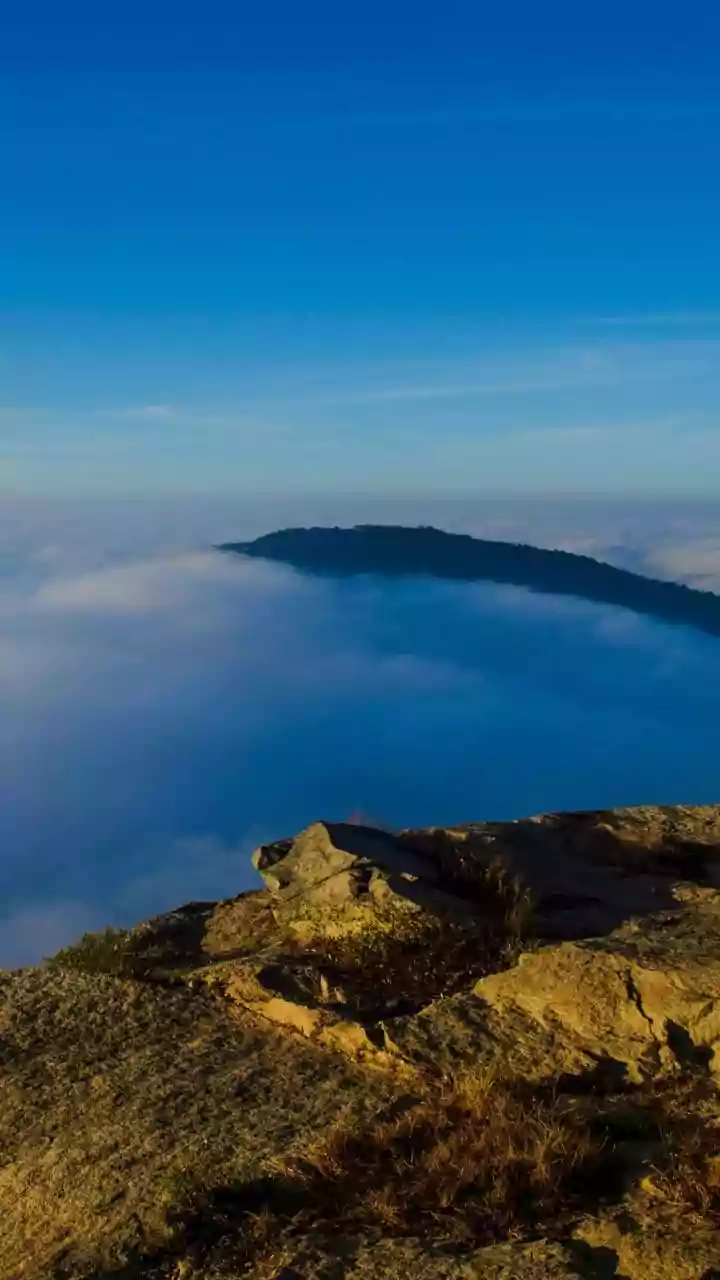
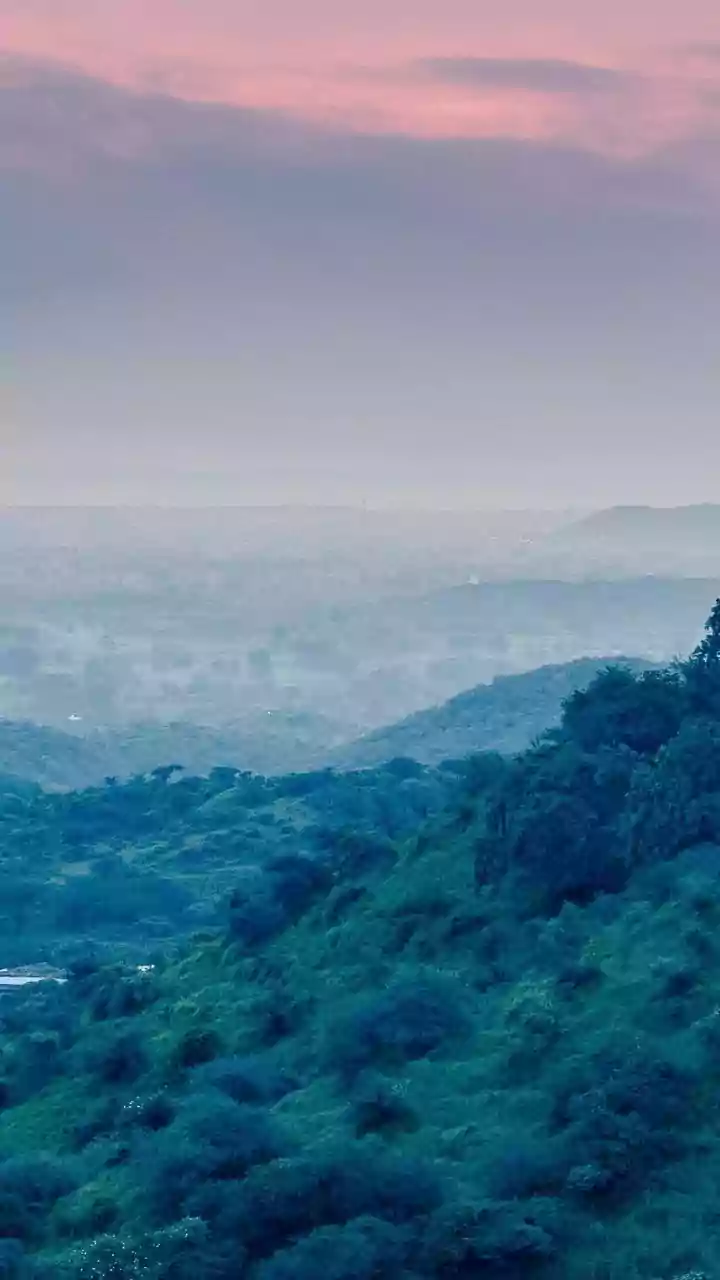
Imagine wandering through cobblestone streets in a city older than memory, then hiking to a monastery perched in the clouds with snow-capped peaks as your backdrop. This is Georgia. It offers the architectural charm and alpine grandeur many associate
with Western Europe but at a price point that feels closer to Southeast Asia. For Indian backpackers, this combination is a game-changer. The country boasts a unique culture, a rich history as the birthplace of wine, and a culinary scene that is both delicious and incredibly affordable. From the buzzing, artistic streets of its capital, Tbilisi, to the vast, silent landscapes of the Caucasus Mountains, Georgia delivers a world-class travel experience without emptying your wallet.
The E-Visa Game-Changer for Indians
The single biggest hurdle for many international trips from India is the visa process. This is where Georgia has made itself exceptionally attractive. Indian passport holders can apply for an e-Visa entirely online through the official government portal. The process eliminates the need for embassy appointments and physical paperwork, with the approved visa delivered directly to your email. Typically, the e-Visa costs around $20 USD plus service fees, with a processing time of about five working days. It allows for a stay of up to 30 days. Furthermore, Indian citizens who hold a valid visa or residence permit from countries like the USA, UK, or Schengen states can often enter Georgia visa-free for up to 90 days, making the journey even more seamless. This straightforward and digital-first approach significantly lowers the barrier to entry compared to many other destinations.
Your Rupee Goes a Long Way
Once you're in Georgia, the value for money is immediately apparent. The local currency is the Georgian Lari (GEL), and for Indian travellers, the conversion rate is favorable. Accommodation is a great example of this affordability. A bed in a well-regarded hostel in Tbilisi’s Old Town can cost as little as ₹800–₹1,500 per night. Food is another area where your budget will stretch surprisingly far. You can enjoy iconic local dishes like Khachapuri (cheese-filled bread) or Khinkali (meat dumplings) for a few hundred rupees. A hearty meal at a local restaurant is unlikely to set you back more than ₹600. Local transportation is also incredibly cheap, with city-wide metro rides in Tbilisi costing less than a cutting chai and inter-city marshrutkas (shared minibuses) providing an economical way to explore the country.
An Adventurer's Paradise
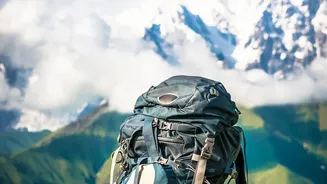
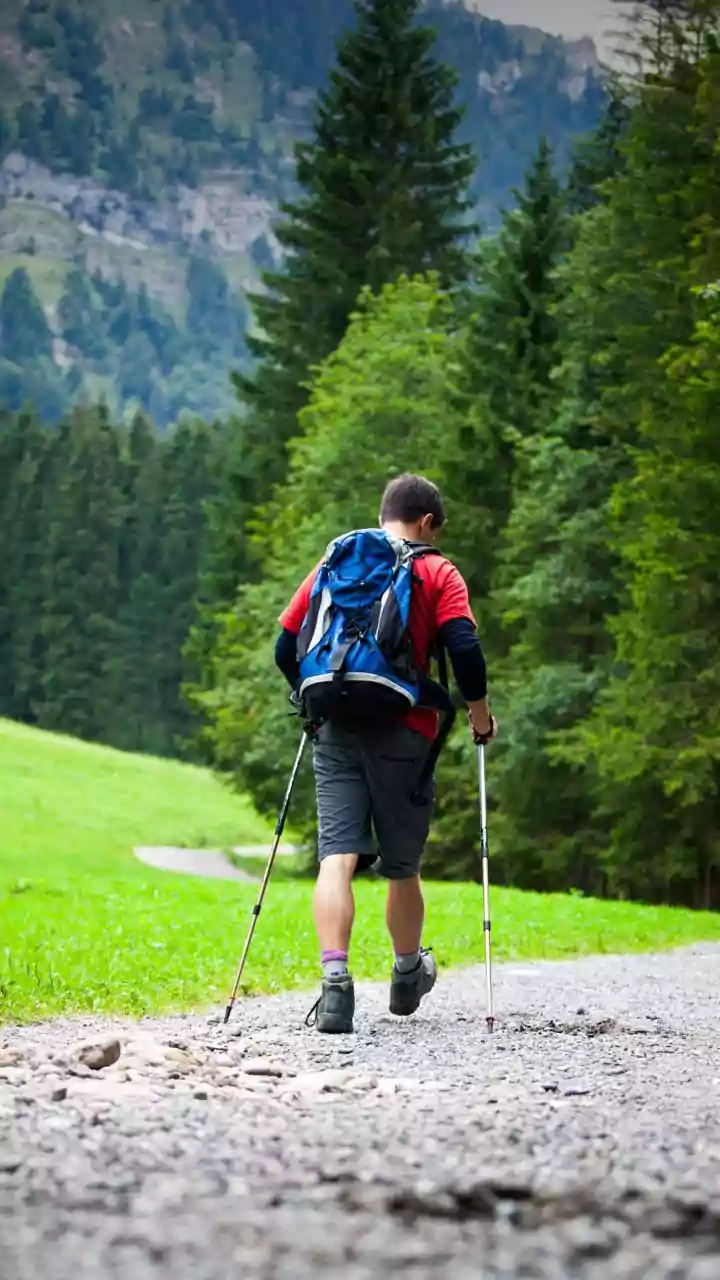
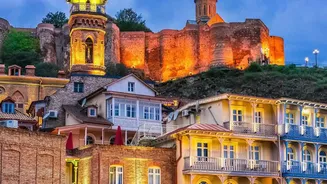
Georgia is a playground for backpackers and adventurers. The capital, Tbilisi, is a destination in itself, with its blend of ancient Narikala Fortress, quirky cafes, and vibrant street art. A short drive along the scenic Georgian Military Highway takes you into the heart of the Caucasus Mountains. Here, the town of Stepantsminda (also known as Kazbegi) serves as a base for one of the country's most iconic treks: the hike up to Gergeti Trinity Church, which sits dramatically against the backdrop of Mount Kazbek. For wine lovers, a trip to the Kakheti region is a must, where you can tour family-run wineries and sample wines made using 8,000-year-old traditional methods. From the Black Sea coast at Batumi to ancient cave cities like Uplistsikhe, the diversity of experiences is staggering.
What to Know Before You Go
To make the most of your trip, a little planning goes a long way. The best times to visit for pleasant weather are spring (April-June) and autumn (September-October). While English is spoken in tourist areas in Tbilisi, learning a few basic Georgian words like "Gamarjoba" (Hello) and "Madloba" (Thank you) will be warmly received. Since January 2026, travel and health insurance with a minimum coverage of around 30,000 GEL has become mandatory for all visitors. Ensure your policy is in English and covers your entire stay. For connectivity, purchasing a local SIM card upon arrival is inexpensive and highly recommended. While cards are widely accepted in cities, it's wise to carry some cash (GEL) for smaller purchases, especially in rural areas.