






A Tale of Two Destinations
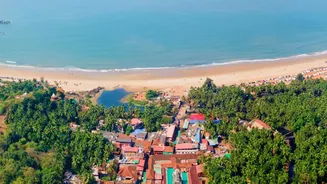
For years, Gokarna was whispered about in backpacker circles as the quieter, more rustic cousin to Goa. It was where the party moved when Goa felt too commercial, attracting travellers with its laid-back shacks, beach treks, and a trance-music undercurrent.
Beaches like Kudle and Om were hubs of activity, not necessarily for loud, organized parties, but for a constant, high-energy hum of socialising and celebration. This version of Gokarna catered to a traveller seeking escape through vibrant, communal, and often nocturnal experiences. It was a place to lose oneself in the crowd against a stunning coastal backdrop.
The Search for Deeper Connection
The modern weekend traveller, however, is changing. Burnt out by fast-paced urban life, many are no longer seeking to simply escape, but to actively recharge. This cultural shift has found fertile ground in Gokarna. The desire for mental peace, digital detoxes, and genuine self-care has overtaken the hunt for the next party. Travellers today are looking for experiences that offer more than a fleeting good time; they want restoration, introspection, and a connection to nature. Gokarna, with its inherent spiritual backbone as a pilgrimage town, was perfectly poised to answer this call, offering a depth that party-centric destinations often lack.
The Rise of the Eco-Lodge Experience
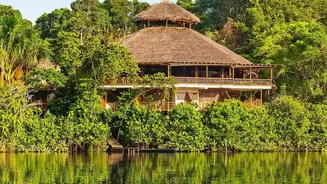
This new demand is being met by a growing number of eco-lodges and wellness retreats. These are not just places to sleep; they are destinations in themselves. Think earth-toned villas made from local laterite, organic gardens that supply the kitchen, and open-air yoga shalas with views of the Arabian Sea. Properties are focusing on sustainable practices, such as waste segregation, renewable energy, and minimal environmental footprints. The luxury here isn’t about opulent amenities but about quiet, solitude, and thoughtful design that blends with the natural landscape. Wi-Fi is often sparse by design, and televisions are nowhere to be found, encouraging guests to disconnect from screens and reconnect with their surroundings.
From Late Nights to Early Mornings
The itinerary for a weekend in Gokarna has been rewritten. Instead of late-night music, mornings now begin with sunrise yoga sessions, guided meditation, or silent walks along the beach. Afternoons are for trekking the scenic coastal paths connecting Kudle, Om, Half Moon, and Paradise beaches, or perhaps indulging in an Ayurvedic therapy. Evenings are spent watching the sunset, journaling in a hammock, or enjoying nourishing, locally sourced meals. The focus has shifted from external stimulation to internal balance. It's a slower, more mindful pace of travel that values rest and reflection over a packed schedule of activities.
A More Sustainable Path Forward
This evolution is more than just a trend; it represents a more sustainable model for the town’s future. The move towards wellness tourism helps preserve Gokarna's pristine natural beauty, which was always its primary draw. It empowers local communities through homestays and the use of local produce, ensuring that tourism revenue benefits the people who call Gokarna home. By attracting travellers who value and respect the environment and local culture, Gokarna is consciously choosing a path of balanced, slow development over unchecked commercialism. This shift ensures that the town's serene charm is not just a passing phase, but a legacy for future visitors to enjoy.