





What is the Urban Heat Island Effect?
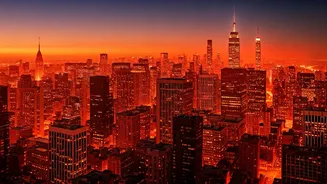
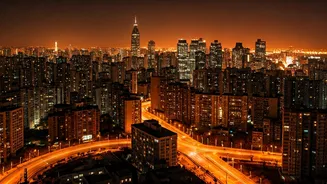
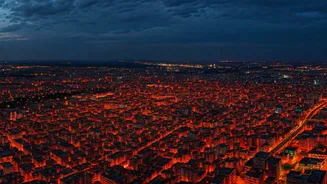
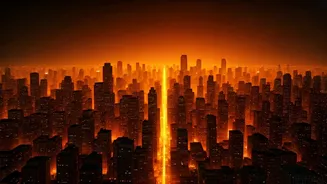
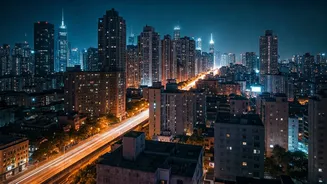
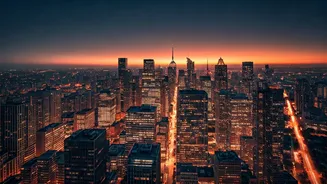
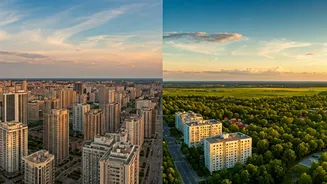
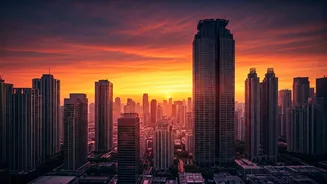
The Urban Heat Island (UHI) effect is a phenomenon where metropolitan areas are significantly warmer than the surrounding rural areas. Think of a city as an 'island' of heat in a cooler sea of countryside. This happens because materials like concrete,
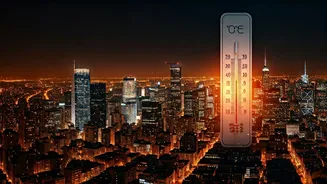
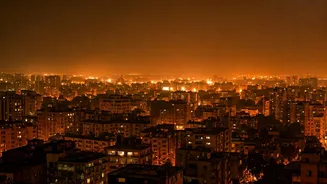
asphalt, and steel—the building blocks of our cities—absorb and retain the sun's heat far more than natural landscapes like forests and fields. This trapped heat is then slowly released, especially at night, which is why cities often fail to cool down after sunset, unlike their rural counterparts. The temperature difference can be stark, with urban centres sometimes being 5-10°C hotter.
New Findings on India's Hot Cities
Recent research highlights the alarming pace of this phenomenon in India. A study published in the Proceedings of the National Academy of Sciences found that many Indian cities are heating up much faster than climate models predict. The analysis of 104 medium-sized cities, including 18 in India, showed that urban areas warmed about 45% more than their rural surroundings. For some cities in northern India, such as Patiala, the warming could be double the regional projections. This means that even if global warming is limited, people in these cities will face much more extreme heat exposure because the UHI effect is intensifying.
Why Are Indian Cities So Vulnerable?
India's rapid and often unplanned urbanization is a primary driver. Natural cooling elements like parks, trees, lakes, and wetlands are being replaced by heat-absorbing concrete structures. High population density, coupled with the heat generated from vehicles, industries, and air conditioners, further elevates temperatures. The geometry of cities, with tall buildings packed closely together, creates 'urban canyons' that trap heat and block cooling winds. This combination of factors makes Indian cities, from Delhi and Mumbai to Bengaluru and Chennai, particularly susceptible to becoming dangerous heat traps.
The Human and Economic Cost
The consequences of the UHI effect are severe. It worsens heatwaves, leading to a rise in heat-related illnesses like dehydration, heat exhaustion, and fatal heatstrokes. Vulnerable populations, including outdoor workers, the elderly, children, and residents of informal settlements, are at the highest risk. The increased heat also puts a massive strain on energy grids as demand for air conditioning soars, which can lead to higher electricity bills and more greenhouse gas emissions. Furthermore, labour productivity can decline significantly in outdoor sectors like construction, affecting the economy.
Can We Build Cooler Cities?
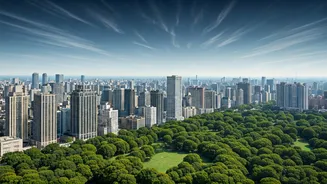
Fortunately, the situation is not irreversible. A range of solutions, often called 'nature-based solutions', can help mitigate the UHI effect. A key strategy is increasing 'green infrastructure' by planting more trees, creating parks, and installing green roofs. Trees provide shade and cool the air through evapotranspiration. Using 'cool' building materials that reflect more sunlight, such as light-coloured paints for roofs and pavements, can dramatically reduce heat absorption. Restoring urban water bodies like lakes and ponds also provides a natural cooling effect. Cities like Ahmedabad have already pioneered Heat Action Plans, but scaling these efforts across the country is critical for building more resilient and livable urban futures.