



The Core Philosophy: Skincare vs. Makeup
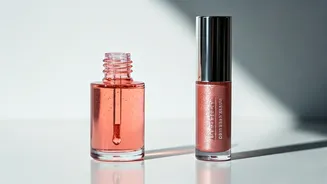
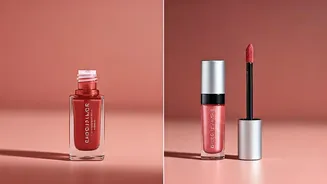
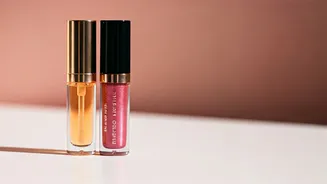
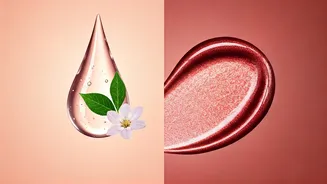
The most significant difference between lip oil and lip gloss lies in their primary purpose. Think of lip oil as a skincare product that happens to look beautiful. Its main goal is to hydrate and nourish your lips. Formulated with a blend of beneficial
oils like jojoba, coconut, or argan oil, it penetrates the delicate skin to deliver moisture and improve lip health over time. Lip gloss, on the other hand, is firmly in the makeup category. Its primary function is aesthetic: to provide a high-shine, often reflective finish that makes lips appear fuller and more luscious. While many modern glosses contain hydrating ingredients, their main job is to sit on the surface and deliver a visual impact.
Texture and Feel: Silky vs. Substantial
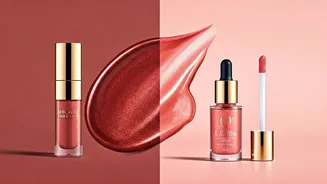
How a product feels is a major deciding factor. Lip oils are known for their lightweight, thin, and non-sticky texture. They glide on smoothly and feel more like a slippery, conditioning serum than a traditional lip product. If you dislike the feeling of having something heavy or tacky on your lips, a lip oil is likely your perfect match. Lip glosses are characteristically thicker and can sometimes feel sticky or tacky. This thicker consistency is what creates that signature glass-like shine and helps the product stay put longer. However, formulations have evolved, and many brands now offer less sticky versions that still provide impressive shine.
The Finish: Natural Sheen vs. High-Impact Shine
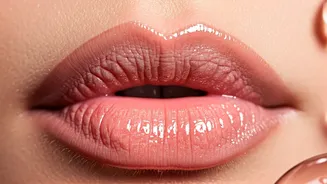
Both products deliver shine, but the quality of that shine differs. A lip oil provides a more subtle, natural-looking sheen. Think healthy, hydrated, and plump lips with a fresh glow. It enhances your natural lips without looking overly made-up, making it ideal for minimalist or 'no-makeup' makeup looks. Lip gloss is all about high-impact, dramatic shine. It creates a reflective, often mirror-like surface that catches the light. Glosses are also more likely to contain shimmer or glitter particles and typically offer a wider and more pigmented range of colours, from sheer tints to bold, opaque shades.
Hydration and Benefits: Treatment vs. Topper
If your main concern is dry, chapped lips, lip oil is the clear winner for long-term care. The nourishing oils are designed to be absorbed, helping to repair the lip barrier, smooth fine lines, and provide lasting hydration. Regular use can lead to softer, healthier lips overall. While lip gloss can provide a temporary feeling of moisture by creating a barrier that locks in hydration, it doesn't typically offer the same deep, therapeutic benefits. Using gloss on already dry lips can sometimes accentuate cracks or flakiness. For best results with a gloss, it's often recommended to hydrate your lips with a balm or oil first.
How To Choose The Right One For You
Still undecided? Let your daily needs and desired look be your guide.
Choose Lip Oil If:
Your primary goal is to hydrate and nourish dry lips.
You prefer a lightweight, non-sticky feel.
You want a natural, subtle sheen for an everyday look.
You're looking for a product that doubles as a lip treatment.
Choose Lip Gloss If:
You want a high-shine, dramatic, or glass-like finish.
You’re looking for more color pigment or shimmery options.
You don't mind a thicker texture and want a longer-lasting cosmetic effect.
You plan to layer it over lipstick for added dimension and shine.