


What Makes a Chocolate Cake ‘Vintage’?
The term “vintage” can be elusive, but in the world of chocolate cake, it points to a specific style that became popular in the early-to-mid 20th century. This isn’t just any chocolate cake; it’s often a nod to recipes like the Devil’s Food cake, which
first appeared in American cookbooks in the early 1900s. These cakes were a revelation, moving beyond the old format of a yellow cake with chocolate frosting to incorporate rich cocoa or melted chocolate directly into the batter. The name itself, “Devil’s Food,” was likely coined to contrast with the light, ethereal “Angel Food” cake popular at the time. Vintage recipes often reflect the resourcefulness of their era, sometimes calling for ingredients like oil instead of butter or buttermilk, which were economical choices that also happened to create an incredibly moist crumb.
The Secret Ingredient Everyone Swears By
Scan the comment sections of the most popular online chocolate cake recipes, and you’ll find a recurring theme: coffee. Adding hot coffee or espresso powder to the batter is a cornerstone of many beloved vintage-style recipes. It might seem counterintuitive, but the cake won't taste like your morning brew. Instead, coffee works to amplify and deepen the chocolate notes, making the cake taste more intensely chocolatey. The hot liquid also helps to “bloom” the cocoa powder, unlocking its full flavor potential and contributing to an exceptionally moist and tender texture. The slight bitterness of the coffee beautifully balances the cake's sweetness, creating a richer, more complex flavor profile that has become a hallmark of this classic dessert.
Key Components for a Deep, Dark Crumb
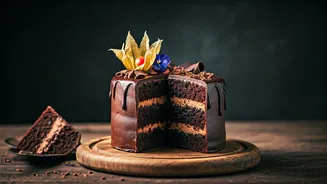
Beyond the coffee, several other key ingredients define the texture and flavor of a great vintage dark chocolate cake. Many recipes call for unsweetened cocoa powder, often Dutch-processed for a darker color and less acidic taste. Using oil, such as vegetable or canola oil, instead of butter is a common technique that guarantees a moist cake that stays tender for days. Another critical component is an acidic liquid like buttermilk or even sour cream. This acid reacts with baking soda, a primary leavening agent in these recipes, to give the cake a soft, fluffy lift and a subtle, pleasant tang that complements the deep chocolate flavor. The combination of these specific ingredients is what reliably produces the moist, dark, and flavourful cake that bakers continuously seek out.
The Perfect Finish: Fudge Frosting
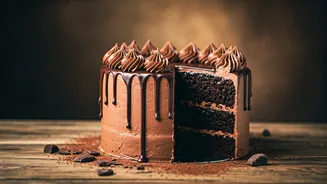
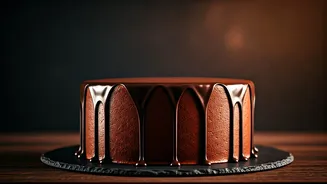
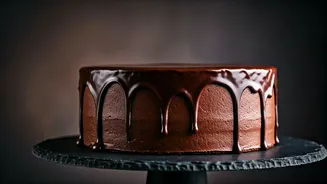
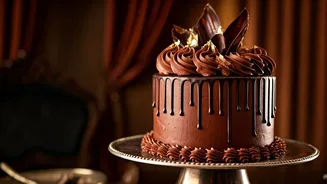
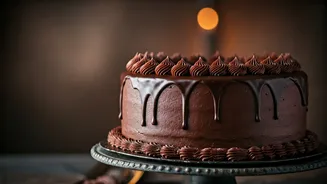
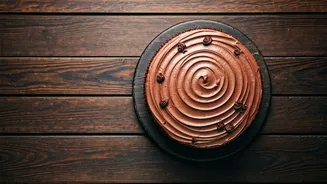
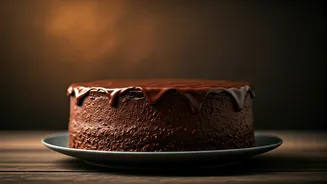
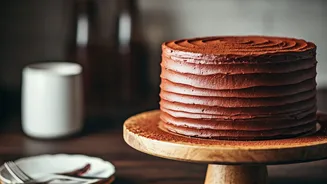
A vintage dark chocolate cake deserves a frosting that is just as decadent. While some early versions were paired with a simple white boiled frosting, the most enduring partner is a rich, glossy chocolate fudge frosting. Unlike a standard buttercream, a classic fudge frosting often starts with melted chocolate, butter, and cream, cooked together before being whipped into a smooth, spreadable consistency. Some recipes incorporate powdered sugar and a bit of cocoa powder for structure and depth. The result is a frosting that isn't just sweet; it's intensely chocolatey, with a texture that lands somewhere between soft fudge and silky ganache. It provides the perfect, luxurious crown for the tender, dark cake layers beneath it.