






The Final Word on Visa Rules
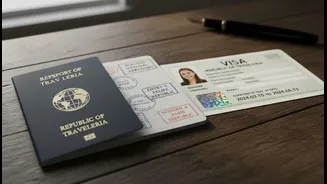
After a period of uncertainty, the Thai government has settled its visa policy for what is now its third-largest tourist market. As of mid-July 2026, Indian passport holders are officially eligible for a 30-day visa-exempt entry into Thailand. This decision
came after a proposal to revert Indians to a paid Visa-on-Arrival system caused confusion and a reported drop in arrivals. The new 30-day rule replaces a previous, more generous 60-day visa-free period but provides much-needed clarity for travellers planning their trips. The government stated this duration aligns better with the typical travel behaviour of Indian tourists while still supporting the tourism industry.
The New Question: A Quick Break or a Slow Journey?
For years, a Thailand trip from India was synonymous with a 5-to-10-day whirlwind tour of Bangkok, Pattaya, and maybe Phuket. The new 30-day permission slip changes this dynamic entirely. The central question for Indian travellers is no longer just if they should go, but for how long and in what style. Do you stick to the classic, fast-paced holiday, or do you embrace the chance for a month of slow travel, exploring the country more deeply? This extended timeframe allows for possibilities that were previously complicated by visa runs or extension paperwork, inviting a complete rethink of the standard Thai holiday.
Option 1: The Classic High-Energy Holiday
There’s a reason the classic Thailand itinerary is so popular: it’s efficient, exciting, and packed with iconic experiences. If you have one to two weeks, the 30-day rule simply gives you more breathing room. You can comfortably combine the urban energy of Bangkok with the beach bliss of a southern island like Phuket or Krabi without feeling rushed. A typical 7-day trip remains highly affordable for Indian travellers. With strategic planning, a week-long trip can cost between ₹40,000 and ₹80,000 per person, excluding flights. This is perfect for first-timers, families, or anyone seeking a vibrant, action-packed escape filled with shopping, nightlife, and famous sights.
Option 2: Embracing a Month-Long Adventure
The 30-day visa is a game-changer for those craving a more immersive experience. A month allows you to go beyond the tourist trail. You could spend a week in the cultural north, exploring the temples and cafes of Chiang Mai, before heading south to lesser-known islands. This timeframe makes it feasible to rent a serviced apartment, settle into a neighborhood, and experience daily life. A month-long stay allows for a different kind of budget, too. While a quick trip has high daily costs, a longer stay allows for cheaper monthly accommodation rates and the ability to save money by cooking some of your own meals. It’s an opportunity for a 'workation' or simply to travel at a pace that allows for spontaneous discoveries.
Budgeting for a Longer Stay
Planning the finances for a month-long trip requires a different approach than a one-week holiday. While your flight cost remains the same, your daily expenses can be managed more effectively. According to cost-of-living data, a single person can live comfortably in Thailand for around $630 (approx. ₹52,500) per month, excluding rent. Rent for a one-bedroom apartment outside the city centre can be found for much less than typical hotel rates. Eating local street food, where a meal can cost as little as ₹100-₹150, and using public transport are key to making a month-long stay highly affordable. A realistic monthly budget for a solo traveller, including modest accommodation, could be in the range of ₹70,000 to ₹90,000, offering incredible value for an extended international trip.
Essential Pre-Travel Checklist
Regardless of your trip's duration, some things are non-negotiable. First, ensure your passport has at least six months of validity from your date of entry. Second, all travellers must fill out the Thailand Digital Arrival Card (TDAC) online before their flight; this is mandatory and has replaced the old paper forms. Finally, while visa-free, be prepared to show proof of a return flight, confirmed accommodation, and sufficient funds (usually 10,000 THB per person) if asked by immigration officials.