


Why Seasonal Eating Matters Most Now
Ayurveda and modern nutrition agree: eating with the seasons is a powerful tool for wellness. During the monsoon, the air is heavy with moisture, our digestion (or 'agni') weakens, and water-borne infections are more common. Our bodies naturally crave
warm, light, and easily digestible foods. Fortunately, nature provides exactly what we need. Monsoon produce is typically rich in vitamins that boost immunity, fibre that aids a sluggish gut, and anti-inflammatory properties to fight off infections. Swapping heavy, oily foods for these seasonal heroes is the simplest and most effective health upgrade you can make.
The Bitter Protector: Karela (Bitter Gourd)
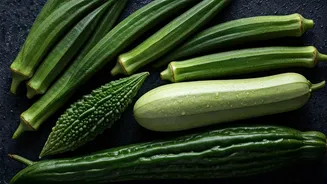
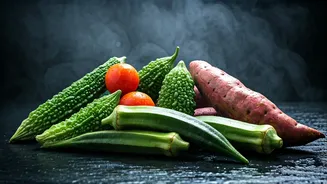
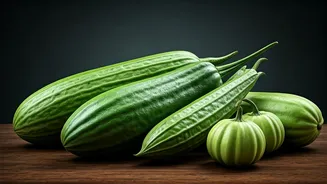
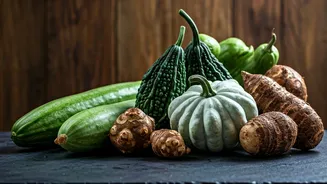
Many of us have a complicated relationship with bitter gourd, but its benefits are undeniable, especially during the monsoon. Loaded with Vitamin C, it’s a powerful immunity booster that helps the body fight off infections. Its bitter compounds stimulate the production of digestive juices, improving gut health and preventing issues like indigestion and constipation, which are common this season. It also has potent antiviral and antibacterial properties. Don't let its taste deter you; a simple stir-fry with onions and spices or a stuffed karela dish can make it a delicious and protective addition to your diet. Think of it as a bitter medicine that’s actually food.
The Hydrating Hero: Lauki (Bottle Gourd)
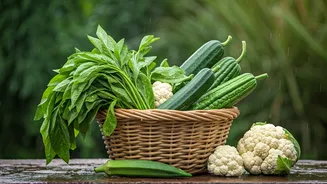
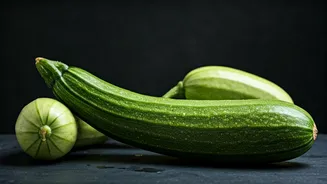
Lauki is the unsung hero of the monsoon kitchen. Composed of over 90% water, it's incredibly hydrating and very light on the stomach, making it perfect for a time when our digestive systems are weak. It's packed with fibre that aids bowel movement and prevents that heavy, bloated feeling. Rich in electrolytes like sodium and potassium, it helps replenish what's lost through sweating in the humid weather. A simple lauki sabzi, a comforting soup, or even its juice can work wonders for keeping your system clean, cool, and functioning smoothly.
The Immunity Berry: Jamun (Black Plum)
This deep-purple fruit is a true monsoon superfood. Jamun is loaded with antioxidants, particularly anthocyanins, which give it its rich colour and help combat free radicals and inflammation. It’s an excellent source of Vitamin C and iron, crucial for building strong immunity and maintaining healthy haemoglobin levels. For those with blood sugar concerns, jamun is traditionally known to help manage insulin sensitivity. Its astringent properties also make it beneficial for gut health. Enjoy it as a fresh snack, but avoid drinking milk immediately after, as tradition suggests it can cause digestive upset.
The Golden Healer: Haldi (Turmeric)
While available year-round, fresh turmeric root is particularly beneficial during the monsoon. Its active compound, curcumin, is a world-renowned anti-inflammatory and antiseptic agent. This makes it your first line of defence against the sore throats, colds, and flu that are rampant this season. A warm glass of 'haldi doodh' (turmeric milk) at night can soothe a scratchy throat, reduce body aches, and boost your body’s natural defence mechanism. Grating fresh turmeric into your sabzis and dals not only adds a beautiful colour and earthy flavour but also infuses your meal with powerful healing properties.
The Pungent Powerhouse: Adrak (Ginger)
Like turmeric, ginger is a non-negotiable kitchen staple for the monsoon. Its warming nature helps combat the dampness of the season. Ginger is celebrated for its ability to soothe nausea and indigestion, making it a perfect antidote to monsoon-related stomach bugs. Its powerful anti-inflammatory and antibacterial properties make it a go-to remedy for colds and coughs. Starting your day with a cup of hot ginger tea with a dash of honey and lemon can clear your sinuses, warm you up, and kick-start your metabolism. It's a simple ritual that provides immense comfort and protection.