




The Junkyard in Our Sky
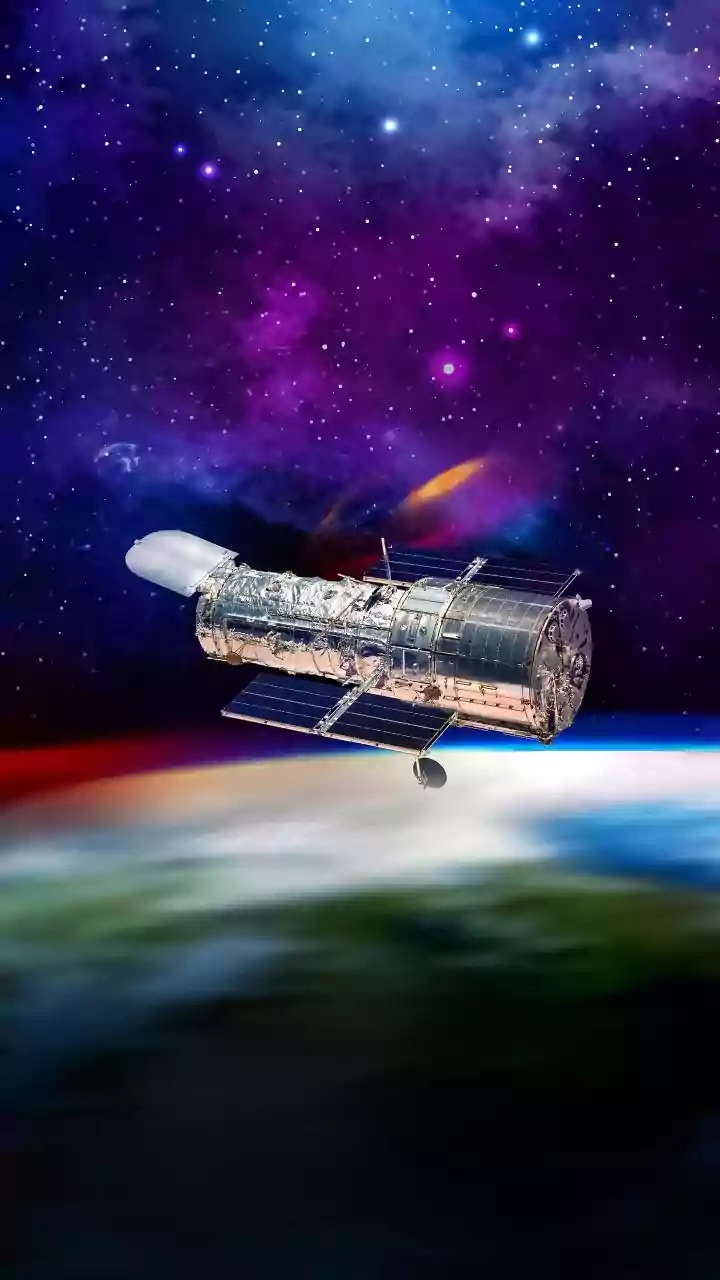
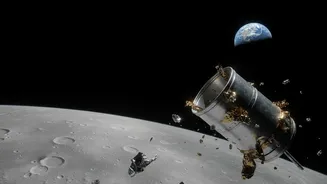
For decades, every rocket launch and satellite deployment has left something behind. From spent rocket stages the size of a bus to tiny flecks of paint, there are millions of pieces of debris circling our planet. While space is vast, the most useful orbits
are becoming dangerously congested. This orbital debris poses a significant threat to the thousands of active satellites we rely on for GPS, weather forecasting, global communications, and financial transactions. A collision with even a small piece of junk can be catastrophic, disabling a multi-million dollar satellite and creating thousands of new fragments in the process. This sets the stage for a potential chain reaction, known as the Kessler Syndrome, where collisions create so much debris that certain orbits become completely unusable.
Enter the Magnetic Lasso
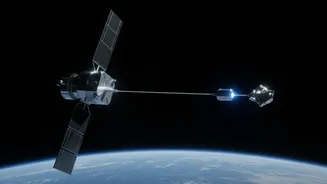
Active Debris Removal (ADR) is no longer a science fiction concept but a commercial and logistical necessity. Several methods are being tested, including nets, harpoons, and robotic arms. The latest promising development involves magnetic and electrodynamic tethers. One method, called magnetic grappling, involves a specialized spacecraft using powerful magnets to attract and capture a piece of debris. Once attached, the 'space tug' can then pull the junk into a lower orbit where it will safely burn up in Earth's atmosphere. Another approach uses electrodynamic tethers. These are long, conductive wires that, when extended, interact with Earth's magnetic field to generate a drag force. This force slows the debris down, causing its orbit to decay much faster than it would naturally. It’s a propellant-less system, which could make cleanup missions more efficient and affordable.
A Crucial Step Forward
The recent tests represent a major milestone in proving these concepts can work in practice. While companies like Japan's Astroscale have already demonstrated magnetic docking capabilities in orbit with cooperative targets, the new challenge is capturing non-cooperative, tumbling objects—the real-world state of most debris. Recent demonstrations, both in labs and in small-scale space experiments, have successfully shown that these systems can latch onto or influence targets that were not designed to be captured. For example, a mission might involve a 'chaser' satellite that can match the rotation of a defunct satellite, attach a magnetic grapple, and then initiate a de-orbit manoeuvre. These tests validate the complex guidance, navigation, and control systems required to perform such a delicate high-speed operation.
The Business of a Cleaner Orbit
Cleaning up space isn't just about environmentalism; it's about protecting a rapidly growing space economy worth hundreds of billions of dollars. With mega-constellations like SpaceX's Starlink and Amazon's Project Kuiper deploying thousands of new satellites, the 'tragedy of the commons' in space is a real economic threat. A viable and cost-effective debris removal system is seen as a game-changer. Companies that can successfully offer 'orbital garbage collection' services are poised to tap into a significant future market. This includes not just removing existing junk, but also providing end-of-life services for new satellites, ensuring they don't become the debris of tomorrow. The economic models suggest that removing even a few large, high-risk objects per year could be enough to stabilize the orbital environment and prevent the Kessler Syndrome.
Challenges and the Road Ahead
Despite these successful tests, the road to a full-scale cleanup operation is long. The technological challenges are immense, from tracking smaller debris to safely capturing large, tumbling objects without creating more fragments. Furthermore, there are significant legal and political hurdles. Questions of liability—who is responsible if a removal mission goes wrong?—and international agreement on the rules of the road are yet to be fully resolved. The cost remains a major factor, though innovations like magnetic tethers and reusable systems aim to bring it down dramatically. The next steps will involve more ambitious demonstration missions, targeting larger and more challenging pieces of real debris, moving the technology from successful tests to a routine service that can safeguard our future in space.