


The End of a Monumental Era
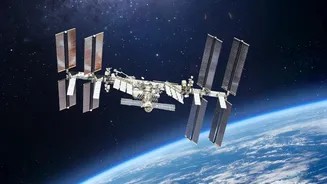
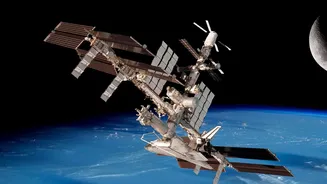
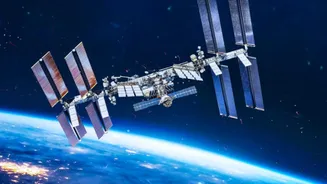
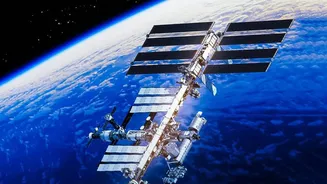
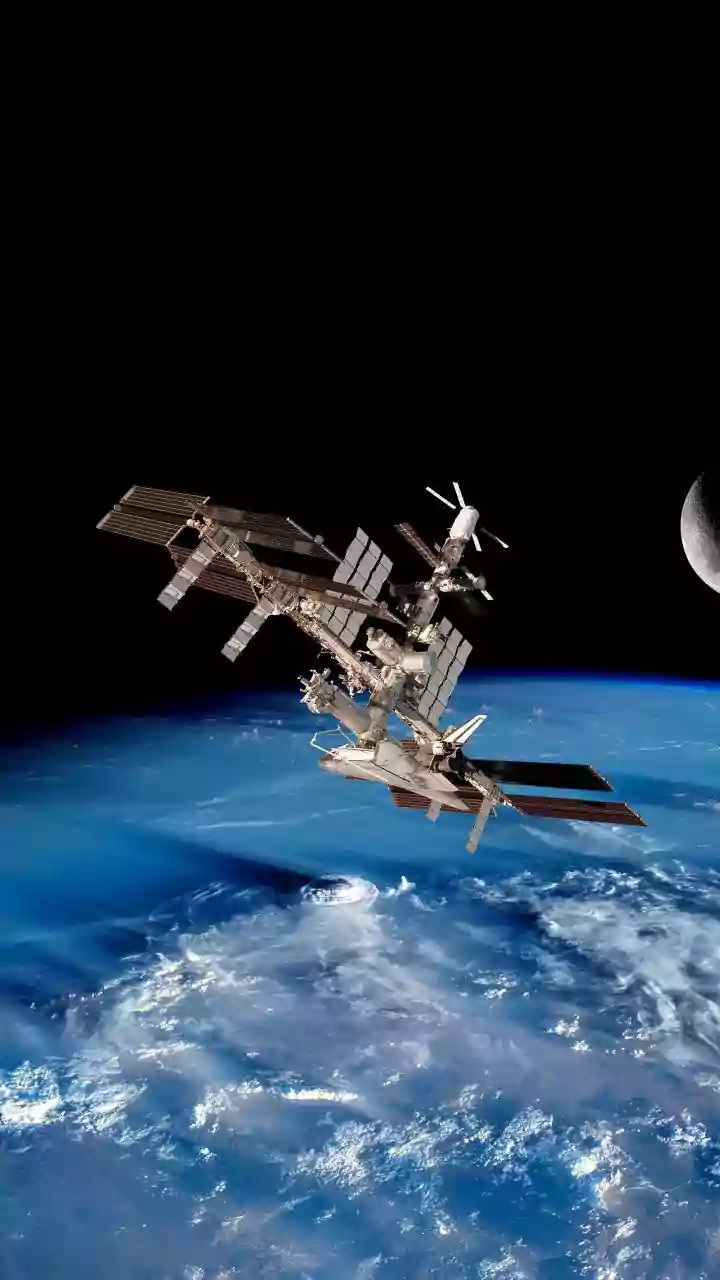
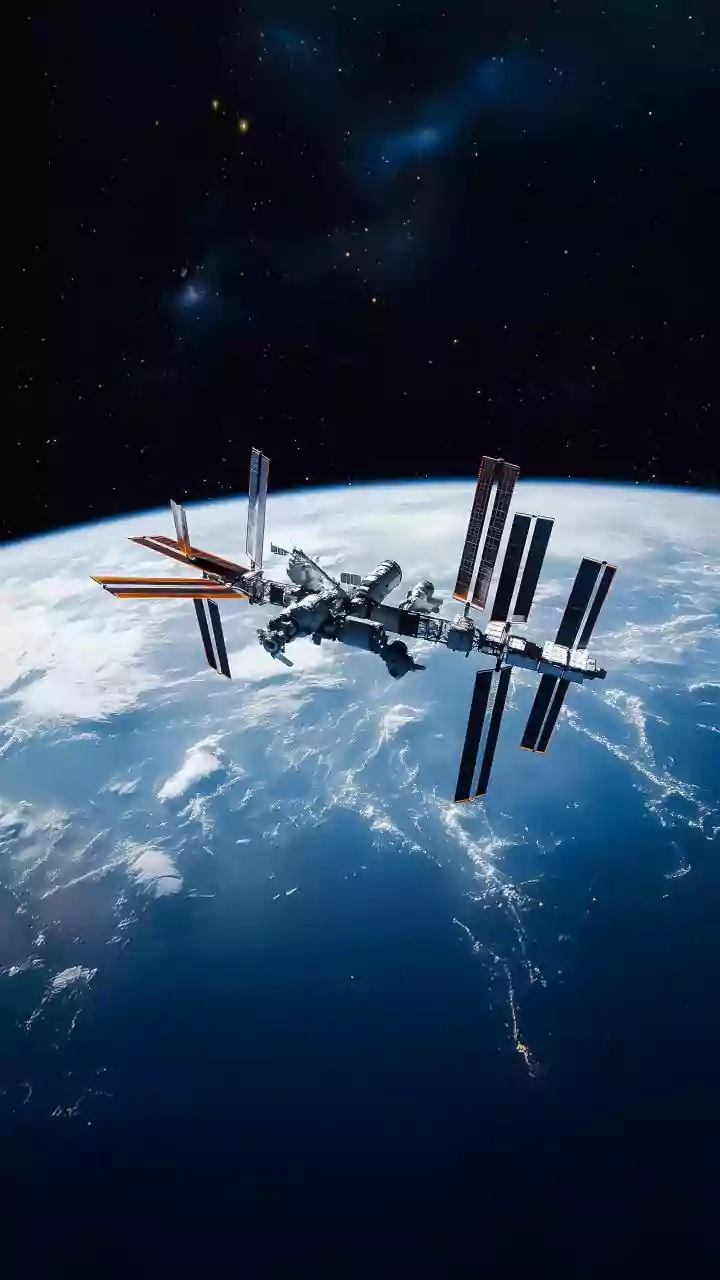
For over two decades, the International Space Station has been a beacon of global cooperation and scientific achievement, hosting astronauts from 26 countries and enabling groundbreaking research. However, this remarkable feat of engineering is aging.
With mounting operational costs and structural concerns, NASA and its partners have scheduled the ISS for a controlled deorbit in the early 2030s. This pivotal moment raises a critical question: what comes next for human presence and research in low-Earth orbit (LEO)? Instead of building another government-owned successor, NASA is turning to the private sector, fostering a new commercial ecosystem in the sky.
A New Business Model for the Cosmos
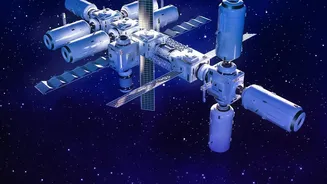
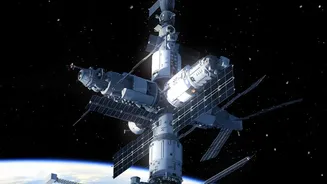
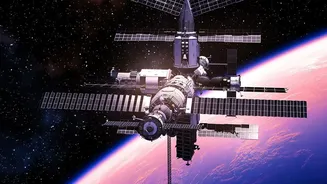
The future of LEO is not a single, government-run facility but a fleet of commercially owned and operated destinations. Through its Commercial LEO Destinations (CLD) program, NASA is acting as a catalyst, providing funding and technical guidance to several private companies. The model is shifting from NASA owning and operating the hardware to becoming just one of many customers. Think of it as moving from being a homeowner responsible for all upkeep to being a tenant in a multi-use orbital complex. This opens the door for other nations, private companies, and academic institutions to purchase services, from research time to astronaut missions. Companies like Axiom Space, Vast, and the Starlab consortium (a joint venture including Voyager Space and Airbus) are at the forefront, each developing unique habitats to serve this emerging market.
The Mechanics of Cutting Costs
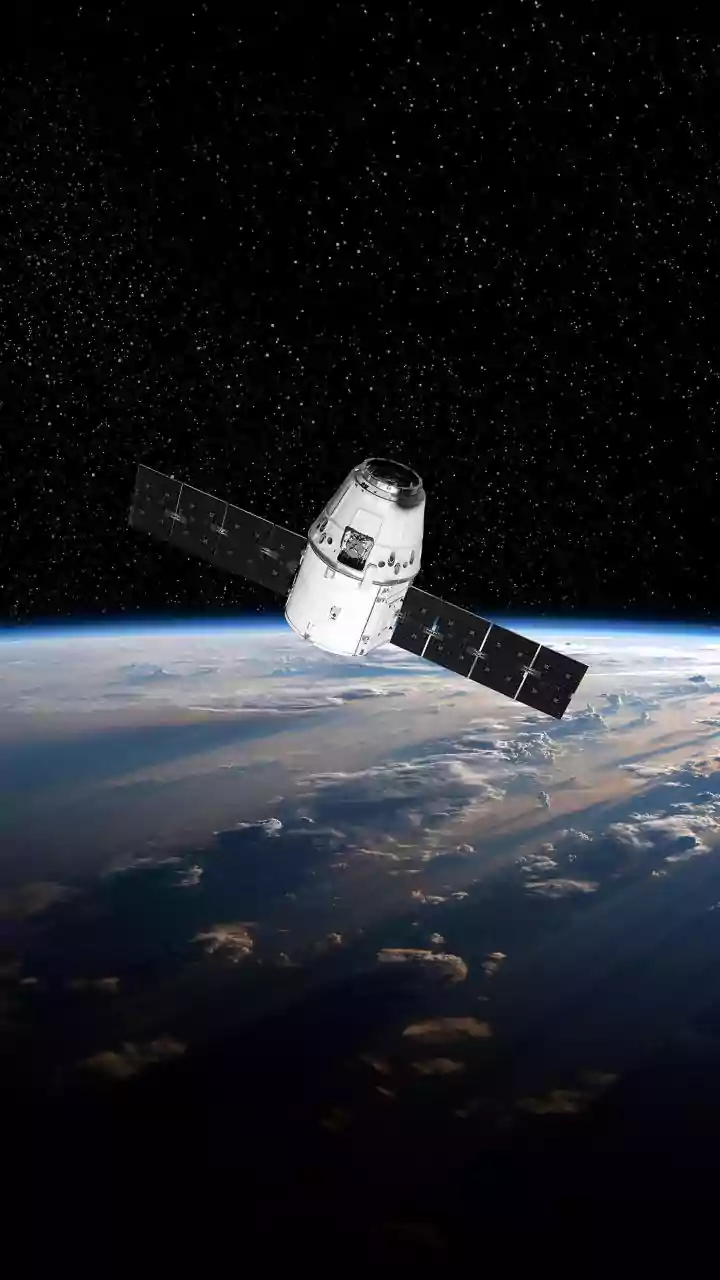
The primary driver of cost-effectiveness is the shift in business models. By serving multiple customers—including researchers, manufacturers, and even tourists—commercial operators can spread their operational costs, unlike the ISS which relies primarily on government funding. Competition among these private ventures is another key factor in driving down prices. Furthermore, these new stations leverage modern, modular construction and the dramatic reduction in launch costs, pioneered by companies like SpaceX with reusable rockets. This is a stark contrast to the bespoke, decades-old architecture of the ISS. Future stations are also being designed for more automation and less hands-on maintenance, further reducing long-term operational expenses. This combination of shared resources, competition, and modern technology makes accessing space significantly more economical.
Democratizing Research in Microgravity
Lowering the financial barrier to entry has profound implications for science and innovation. The unique microgravity environment of LEO is a powerful tool for research in fields like medicine, materials science, and biotechnology. For instance, growing protein crystals in space can lead to a better understanding of diseases, and manufacturing fiber optic cables in microgravity can result in a much higher quality product. With commercial habitats, universities, startups, and pharmaceutical companies that were previously priced out can now conduct experiments in orbit. This expanded access promises to accelerate the pace of discovery, potentially leading to breakthroughs in drug development, regenerative medicine, and advanced materials that can benefit life on Earth.
Navigating the New Frontier
While the promise of a vibrant LEO economy is immense, the path forward has its challenges. Ensuring a seamless transition without a gap in U.S. human presence in orbit after the ISS retires is a top priority for NASA. The industry must also navigate a complex regulatory landscape and address the growing problem of space debris to ensure long-term sustainability. Successfully establishing this new market will require a continued partnership between the public and private sectors, with government agencies like NASA providing foundational support while commercial companies drive innovation and efficiency. The success of these first commercial stations will be a critical test for the future of the space economy.