




Why Monsoon Demands a Smart Shopping Strategy
The rainy season in India is a breeding ground for bacteria and fungi. The increased moisture in the air and soil means vegetables are more susceptible to contamination and faster decay. Leafy greens can trap mud and germs, while certain vegetables with
dense florets, like cauliflower, can hide insects and worms. This doesn't mean you must give up on fresh produce, but it does require a more mindful approach at the vegetable market to avoid stomach infections and ensure you're getting the best quality for your family.
Embrace the Gourds
Gourds are the superstars of the monsoon season. Vegetables like bottle gourd (lauki), ridge gourd (turai), bitter gourd (karela), and pointed gourd (parwal) thrive in the humid weather and are less prone to spoilage. These vegetables grow on vines well above the waterlogged ground, reducing their risk of contamination. They are not only safe bets but also packed with nutrients and easy to digest, making them excellent choices for rainy-day curries, dals, and stir-fries. When buying, look for gourds that are firm to the touch, have vibrant colour, and are free from soft spots or blemishes.
Handle Leafy Greens With Extra Care
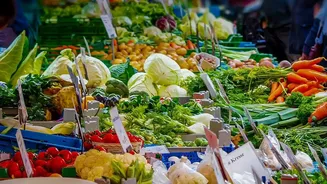
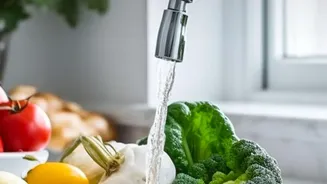
Health experts often advise caution with leafy greens like spinach (palak), fenugreek (methi), and cabbage during the monsoon. Their layered leaves and proximity to the ground make them magnets for dirt, microbes, and tiny insects. If you choose to buy them, inspect them carefully. Avoid bunches with yellowing, wilting, or slimy leaves. The safest approach is to wash them thoroughly. One effective method is to soak them in a bowl of saltwater or a vinegar-water solution for about 15 minutes, followed by a rinse under clean, running water. Crucially, always cook leafy greens well during this season; avoid eating them raw in salads.
Inspect These Vegetables Closely
Cruciferous vegetables like cauliflower and broccoli require a thorough inspection. Their tightly packed florets can trap moisture, mud, and pests, making them difficult to clean. It's best to check for any signs of worms or mould before purchasing. Similarly, brinjal (eggplant) can be more prone to insect infestation during this season. Always choose vegetables that are firm, heavy for their size, and have unblemished skin. Avoid any produce that is pre-cut, as the high humidity can cause bacteria to multiply quickly on exposed surfaces.
Smart Storage for a Humid Kitchen
Bringing fresh vegetables home is only half the battle; storing them correctly is key to prolonging their life in a humid kitchen. First, never store vegetables without drying them completely. Pat them dry with a clean cloth or paper towel. Store most vegetables in the refrigerator to prevent spoilage. Using breathable bags or perforated containers can help manage moisture and allow air to circulate. It's also wise to buy in smaller quantities more frequently rather than stocking up for the week, as produce spoils much faster in the damp weather. For root vegetables like carrots, it's best to remove the green tops before storing them in the fridge.