





The Problem with Heavy Coverage
The impulse to cover imperfections with a thick layer of foundation is understandable, but it often backfires. Heavy, full-coverage formulas can create a flat, mask-like effect that erases the natural dimensions of your face. Instead of looking flawless,
the makeup can appear 'cakey', a term for when it looks thick or patchy. This happens because dense pigments can settle into fine lines and pores, paradoxically making them more noticeable. Furthermore, skin that is dehydrated or not properly prepared can cause foundation to cling to dry patches, resulting in an uneven, textured finish that is the opposite of the smooth canvas you were hoping for. Over-application is one of the most common reasons makeup ends up looking heavy and unnatural.
The 'Skinimalism' Philosophy
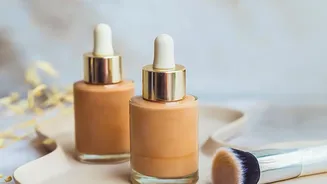
Enter 'skinimalism', a beauty trend that champions a less-is-more approach. It's about shifting the goal from hiding your skin to enhancing it. This philosophy encourages using fewer, more effective products that let your natural skin texture—including freckles, pores, and fine lines—remain visible. Instead of opaque foundations, the focus is on lightweight products like skin tints, tinted moisturisers, and serum foundations. These products offer sheer, breathable coverage that evens out skin tone while still feeling comfortable and looking like real skin. The core idea is to celebrate your face in its natural glory rather than trying to achieve an unattainable standard of poreless perfection.
It All Starts with Skin Prep
The secret to a beautiful minimal makeup look begins before you even pick up a brush. Properly preparing your skin is the most crucial step. A well-hydrated canvas ensures that any product you apply glides on smoothly and blends seamlessly. Start with a clean, moisturised face. If your skin is dehydrated, makeup can absorb unevenly and look patchy. Applying a lightweight moisturiser plumps the skin and creates a smooth base. For extra longevity, especially in humid climates, a good primer can make a world of difference. It helps create an even surface and ensures your makeup stays in place without settling into textured areas.
Technique Matters More Than Coverage
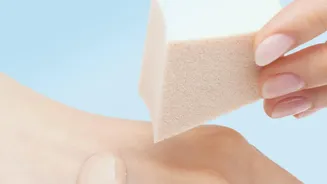
Achieving a natural finish is all about strategic application. The 'less is more' rule is paramount; start with a minimal amount of product and build up only where necessary. Instead of applying foundation all over, try spot-concealing. Use a concealer to target specific areas like blemishes or redness around the nose, leaving the rest of your skin bare. When applying a skin tint or sheer foundation, use your fingers for a melted-in finish or a damp makeup sponge to press the product into the skin for a seamless, second-skin effect. The goal is to even out your tone, not erase your features. Placing a small amount of product in the centre of your face and blending it outwards is a great technique to keep the application light and fresh.
Finishing Touches for a Radiant Glow
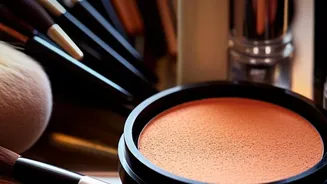
Minimal makeup doesn't mean a boring look. The right finishing touches can enhance the natural, dewy finish. Opt for cream-based products like blushes and highlighters, as they tend to melt into the skin more naturally than powders. A cream blush can be tapped onto the apples of the cheeks for a healthy flush, while a liquid highlighter on the high points of the face can create a 'lit-from-within' glow without any glittery residue. To set your makeup, be selective with powder. Applying a light dusting of translucent powder only on areas that tend to get oily, like the T-zone, can control shine without mattifying your entire face and dulling your glow. A final spritz of a setting spray can help all the layers meld together for a final, skin-like finish.