






Why Natural Pest Control?
For urban gardeners, especially those with balconies or small patios, using natural pest control is a wise choice. You are living in close proximity to your plants, and potentially eating what you grow. Chemical pesticides can leave behind harmful residues
and are often overkill for common pests like aphids or spider mites. Natural solutions are not only safer for you, your family, and your pets, but they are also gentler on the environment and target pests without necessarily harming beneficial insects like bees and ladybugs when used correctly. They are simple to prepare and cost a fraction of commercial insecticides.
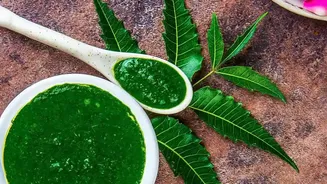
The Power of Neem Oil
Derived from the seeds of the neem tree, neem oil is a versatile tool in an organic gardener's kit. It works in several ways: as an antifeedant, it makes leaves unpalatable to chewing insects; as a hormone disruptor, it can interfere with an insect's growth and reproduction; and by coating soft-bodied pests, it can suffocate them. It is effective against a wide range of common balcony pests, including aphids, spider mites, mealybugs, whiteflies, and even some fungal diseases like powdery mildew.
How to Mix Neem Oil Spray
Creating your own neem oil spray is straightforward. The key is to get the oil to mix with water, which requires an emulsifier like a mild liquid soap. For a standard, gentle solution, follow this recipe: - 1 litre of warm water - 1 teaspoon of pure, cold-pressed neem oil - ½ teaspoon of mild liquid soap (like castile soap; avoid detergents with degreasers) Start by mixing the soap into the warm water. Then, slowly add the neem oil while stirring continuously. Pour the mixture into a clean spray bottle. It's best to make this solution fresh each time you need it, as neem oil can break down quickly once mixed.
Applying Your Neem Solution
Before you spray your entire plant, it's crucial to test the solution on a single leaf. Wait 24 hours to ensure there are no signs of leaf burn or stress. Apply the spray in the early morning or late evening, never in direct, hot sun, as this can scorch the leaves. Thoroughly coat all parts of the plant, paying special attention to the undersides of leaves where pests like aphids and spider mites love to hide. You need to spray until the solution is dripping from the leaves to ensure full contact with the pests. For an active infestation, reapply every 7 days. For prevention, a spray every 14 days should suffice.
The Simple Soapy Water Hack
An even simpler, yet highly effective, method is a basic soapy water spray. This solution works by dissolving the waxy outer layer of soft-bodied insects, which causes them to dehydrate and die. It is particularly effective against aphids, mealybugs, and whiteflies. While you can use a mild dish soap, it's important to choose one without degreasers, bleach, or strong perfumes, as these additives can harm your plants. True insecticidal soaps or simple castile soaps are the safest options.
Crafting the Perfect Soap Spray
The ratio is key to avoiding plant damage. A strong mixture can be phytotoxic, meaning it can burn the plant's leaves. A reliable and safe recipe is: - 1 litre of water - 1 to 2 teaspoons of mild liquid soap Just like with the neem spray, mix the ingredients in a spray bottle and shake well. Using soft or distilled water can increase effectiveness, as the minerals in hard water can react with the soap and reduce its potency. Always perform a patch test on a single leaf before treating the whole plant.
Best Practices for Application
Soapy water spray is a contact insecticide, meaning it only works when it directly touches the pests. It has no residual effect once it dries. Ensure you spray thoroughly, covering all surfaces, especially the hidden spots under leaves and in crevices. Apply during the cooler parts of the day to prevent leaf scorch and to allow the solution to stay wet on the insects for longer. Avoid spraying on plants that are already stressed from wilting or heat. Since soap spray is non-selective and can harm beneficial insects like ladybugs if they are directly sprayed, apply it targetedly only where you see pests.