


The Power of Dals and Legumes
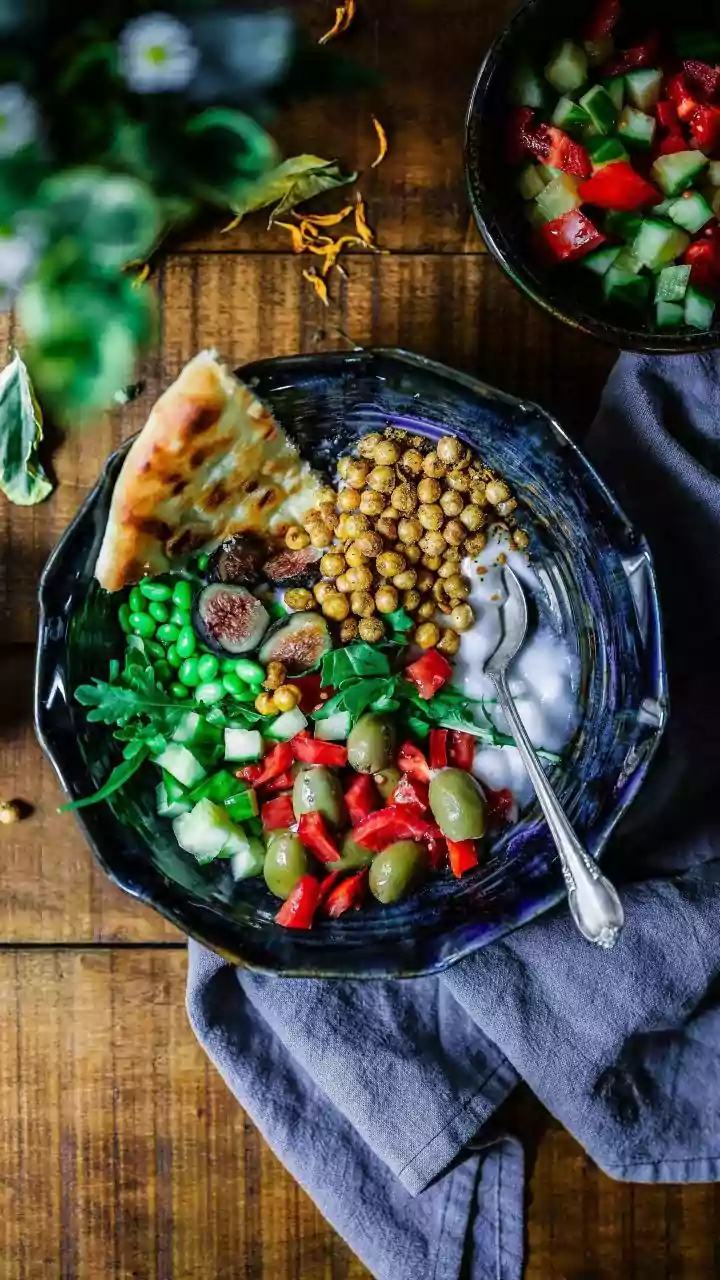
Lentils and legumes are the heart of Indian cuisine and one of its most reliable fibre sources. A single serving of dal, chana, or rajma can significantly boost your daily fibre intake. These staples provide both soluble and insoluble fibre, which aids
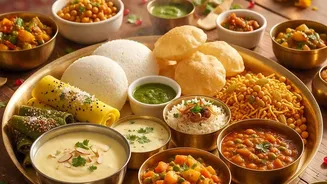
digestion, helps manage blood sugar levels, and keeps you feeling full for longer. Rajma and kabuli chana are particularly high in fibre. For example, a cup of rajma curry can provide almost half of the minimum daily recommended fibre. The key is consistency. Aim to include at least one dal or legume dish in your main meals every day. Whether it's a simple dal tadka, a hearty chana masala, or a comforting rajma chawal, you are tapping into a powerful nutritional resource that has been part of Indian food culture for centuries.
Rediscover Traditional Whole Grains
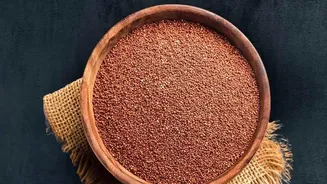
While whole wheat rotis are a good fibre source, India’s grain basket offers much more. Millets like jowar (sorghum), bajra (pearl millet), and ragi (finger millet) are fibre powerhouses that are making a well-deserved comeback. These ancient grains, often called 'Shree Anna', typically contain more fibre than refined wheat and rice. Swapping white rice for brown rice, or better yet, for millets, is an easy upgrade. You can make bhakris from jowar or bajra, prepare a comforting ragi porridge, or use foxtail millet in upma or khichdi. These grains are not only high in fibre but also packed with essential minerals like iron and calcium, and they have a lower glycemic index, which helps in better blood sugar management.
Embrace the Sabzi Mandi
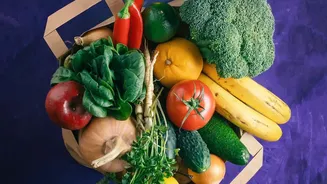
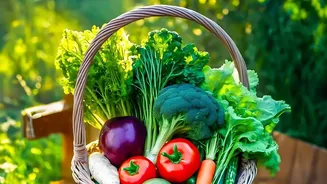
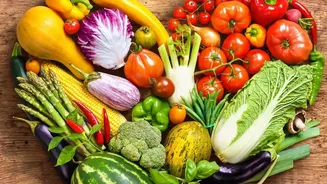
The incredible variety of Indian vegetables is a fantastic and flavourful way to increase fibre. Many local and seasonal vegetables are excellent sources. Leafy greens like spinach (palak) and fenugreek (methi), along with vegetables like okra (bhindi), bottle gourd (lauki), and beans (gawar), are all rich in dietary fibre. The common advice to fill half your plate with vegetables is a simple but effective strategy. Don't shy away from including a simple salad with your meals, and try to incorporate at least one or two sabzis in your lunch and dinner. Even root vegetables like sweet potato and beetroot contribute significantly to your fibre intake. Eating seasonally not only ensures freshness and flavour but also provides a wide spectrum of nutrients.
Fruits, Nuts, and Seeds as Easy Add-ons
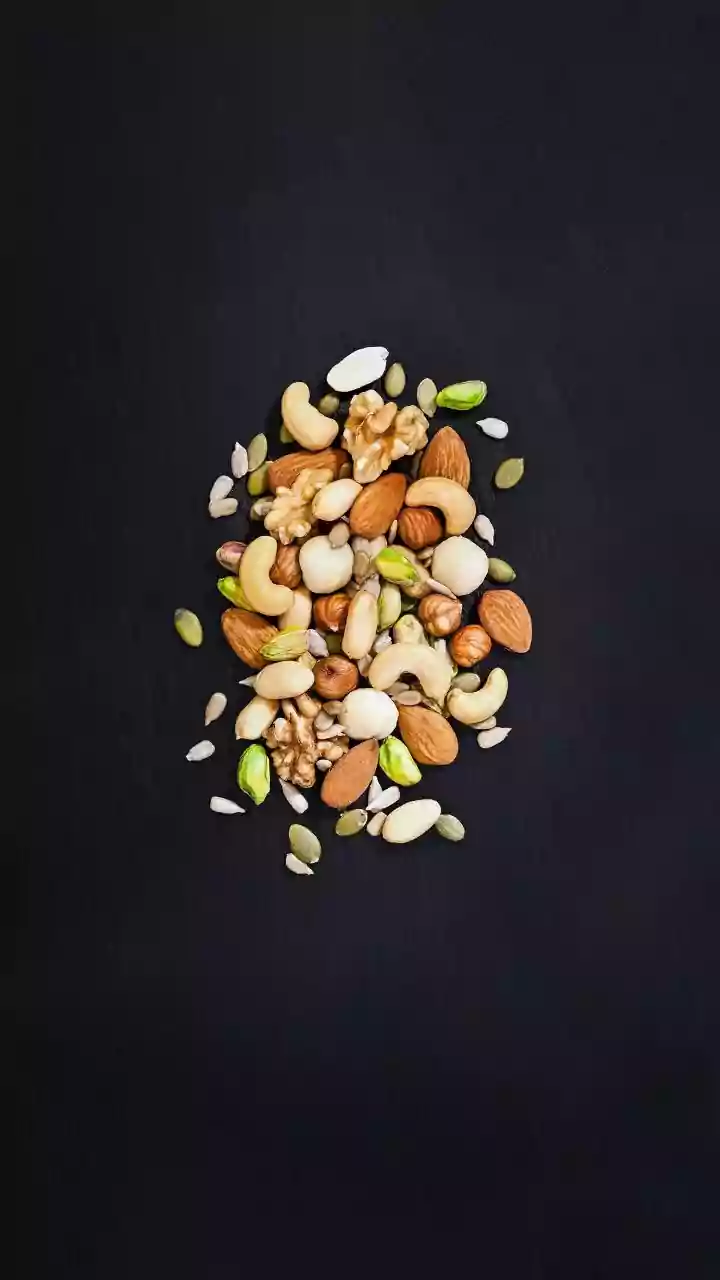
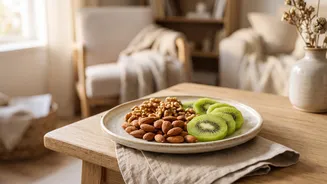
Fibre can also come from simple snacks and garnishes. Everyday Indian fruits like guava, papaya, apples, and bananas are great sources of fibre—especially when eaten whole. Guava, in particular, is one of the fruits with the highest fibre content. Instead of reaching for a packaged snack, grabbing a piece of fruit is a healthier choice. Additionally, a small handful of nuts like almonds and walnuts, or a sprinkle of seeds like flax and sesame, can easily be added to your breakfast porridge, yoghurt, or salads. These not only add a pleasant crunch and healthy fats but also contribute to your overall fibre goal for the day.
Small Changes, Big Impact
Increasing your fibre intake doesn't require a complete diet overhaul. It's about making small, consistent choices. When making rotis, try a multigrain atta by mixing in some jowar, bajra, or ragi flour. If you're having poha, add more vegetables like peas and carrots. Instead of peeling vegetables like carrots and cucumbers, simply wash them well and eat them with the skin on, as much of the fibre is concentrated there. Even snacking can be an opportunity—roasted chana is a fantastic high-fibre alternative to fried snacks. Remember to increase your fibre intake gradually and drink plenty of water to help your digestive system adjust.