


Almonds are a powerhouse of nutrition and flavour, but they can be pricey. Yet, a simple switch in your shopping habits—opting for raw almonds from the bulk bins—can unlock significant savings and elevate your everyday meals and snacks.
The Real Cost Advantage
The primary motivation
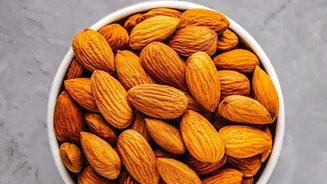
for buying any food item in bulk is the savings, and almonds are no exception. While small, branded packages of almonds are convenient, you pay a premium for that convenience, packaging, and marketing. In contrast, bulk bins offer a lower price per unit, often saving you a considerable amount over the long run. Studies and price comparisons have shown that purchasing nuts from a wholesaler or bulk section can be significantly cheaper per pound than their pre-packaged counterparts. This cost difference becomes even more apparent when you start making your own almond products. A jar of store-bought almond butter can be expensive, but making it at home with bulk almonds costs a fraction of the price, with the only other ingredient being a bit of your time. The same principle applies to fresh almond milk. By embracing bulk buying, you’re not just purchasing an ingredient; you’re making a savvy investment in your pantry.
Smart Storage for Lasting Freshness
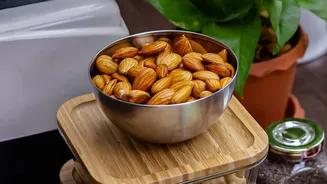
The main hesitation for many when it comes to buying in bulk is the fear of spoilage. However, raw almonds have an impressively long shelf life when stored correctly. The key is to protect them from their four enemies: heat, light, air, and moisture. For short-term use (a few weeks), an airtight container in a cool, dark pantry is sufficient. For larger quantities, the refrigerator is your best friend, extending freshness for up to a year or even longer. For the ultimate long-term storage, place your airtight container or freezer-safe bag of almonds in the freezer, where they can last for two years or more. By managing your storage, you ensure your bulk purchase remains fresh and flavourful, ready for whenever you need it.
DIY Staple: Fresh Almond Milk
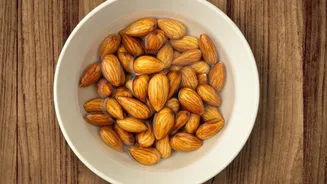
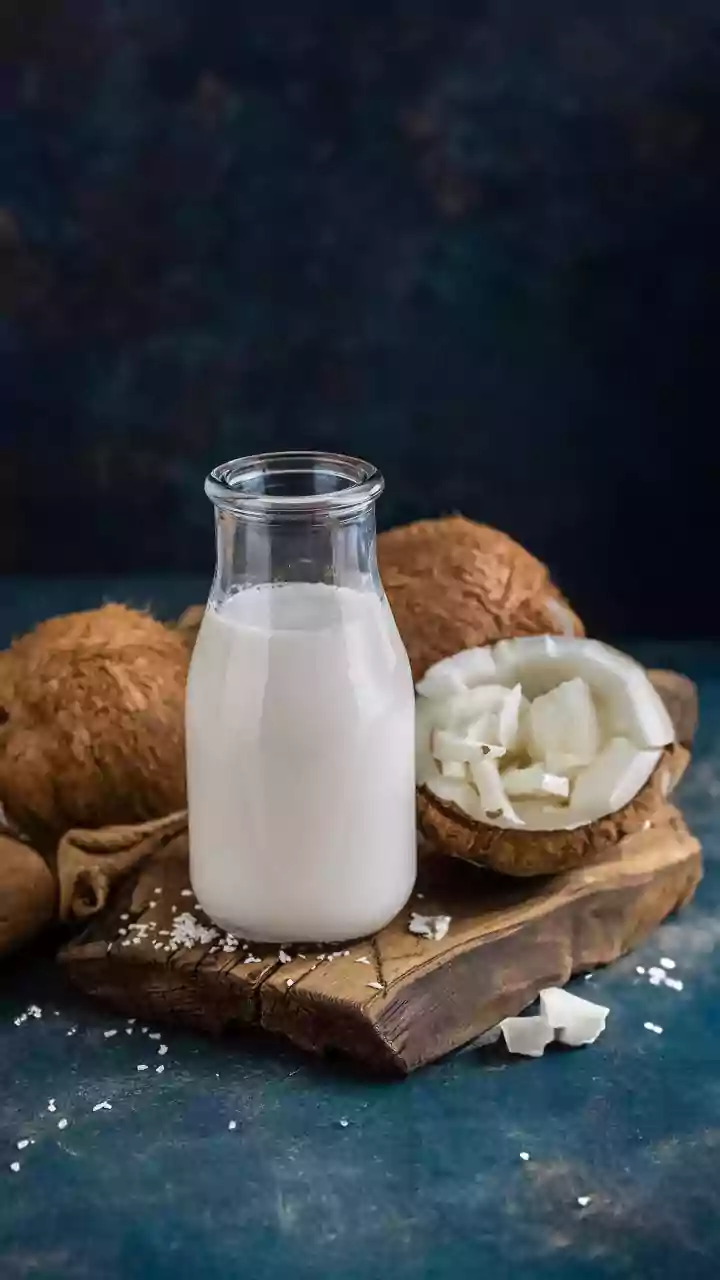
One of the most rewarding uses for your bulk raw almonds is making homemade almond milk. Store-bought versions often contain preservatives, thickeners, and added sugars. Making your own gives you complete control over the ingredients and yields a creamier, fresher-tasting product. The process is simple: soak raw almonds in water overnight, then drain and blend them with fresh water (a common ratio is 1 cup of almonds to 2-4 cups of water, depending on desired creaminess). After blending for a minute or two until smooth, strain the liquid through a nut milk bag or fine-mesh sieve. You can add a pinch of salt, a pitted date for sweetness, or a drop of vanilla extract before blending. The leftover almond pulp doesn't need to be discarded; it can be used in baking, smoothies, or oatmeal, making it a zero-waste kitchen project.
Homemade Creamy Almond Butter
Just like almond milk, homemade almond butter is a game-changer. It requires just one ingredient—almonds—and a food processor or high-speed blender. To enhance the flavour and help the natural oils release, it's best to lightly roast the raw almonds in the oven for about 10-12 minutes before blending. Once they've cooled slightly, place them in the food processor and blend. Be patient, as the process takes time. The almonds will go through several stages: from whole nuts to a crumbly meal, then a thick, clumpy paste, and finally, a smooth, creamy butter. This can take anywhere from 5 to 20 minutes, depending on your machine. You may need to stop and scrape down the sides occasionally. For extra flavour, you can add a pinch of sea salt, cinnamon, or a drizzle of maple syrup at the end.
Everyday Snacking and Cooking Versatility
Beyond milk and butter, having a ready supply of raw almonds opens up countless culinary possibilities. They are a nutrient-dense snack on their own, packed with healthy fats, protein, fiber, and vitamin E. A handful can boost energy and keep you feeling full between meals. For a quick flavour boost, toss them with spices and roast them for a savoury snack. You can also chop them to add a satisfying crunch to salads, yogurt bowls, and oatmeal. Grinding raw almonds creates almond meal or flour, a fantastic gluten-free alternative for baking everything from pancakes to cakes. They add texture and richness to savoury dishes like pesto, sauces, and vegetable gratins, proving just how versatile this simple nut can be.