






The Unsung Hero of Nutrition: Fibre
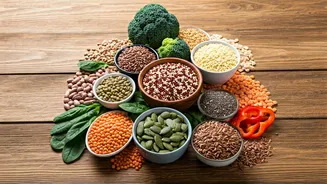
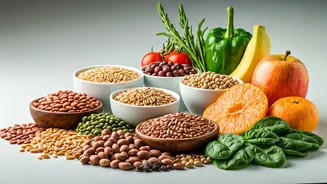
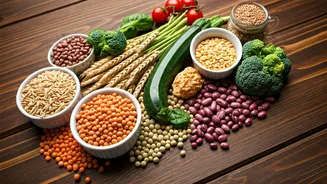
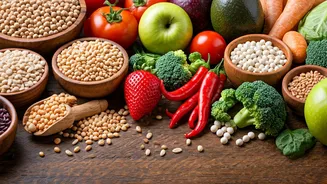
We hear about fibre all the time, but what is it and why does it matter so much? Simply put, dietary fibre is a type of carbohydrate found in plant-based foods that your body can't digest. It plays a crucial role in maintaining good health. It aids digestion,
helps prevent constipation, and keeps your gut microbiome happy. A high-fibre diet can also help manage blood sugar levels, lower cholesterol, and assist in weight management by making you feel fuller for longer. The Indian Council of Medical Research (ICMR) recommends that adults get between 25 to 40 grams of fibre daily. However, studies suggest many urban Indians get only about half of that. This is where simple, everyday dietary additions can make a huge difference.
Your Chutney’s Fibre All-Stars
The secret to chutney's fibre power lies in its fresh, plant-based ingredients. Many common components are naturally rich in fibre. Fresh coconut, the star of many South Indian chutneys, is an excellent source of both dietary fibre and healthy fats. Herbs like coriander (dhaniya) and mint (pudina), while used for flavour, contribute to the overall fibre content and are packed with vitamins and antioxidants. Fruits and vegetables are also key players. Tangy tamarind (imli) and naturally sweet dates (khajur), often used in meethi chutney, both bring a good dose of fibre to the table. Chutneys made from tomatoes, onions, or even raw mangoes are also adding to your daily intake, one delicious spoonful at a time.
A Tour of High-Fibre Chutneys
Different chutneys bring different nutritional profiles. While a single serving of 1-2 tablespoons is a modest amount, making it a regular habit adds up significantly over time. Coconut Chutney: Perhaps the most obvious fibre hero. A 100-gram portion can contain around 7-8 grams of fibre. Even a standard serving provides a valuable boost, along with medium-chain triglycerides (MCTs) that support metabolism. Pudina-Dhaniya Chutney: This ubiquitous green chutney is more than just a refreshing dip. The fresh herbs aid digestion and provide a small but meaningful fibre contribution. Its low-calorie profile makes it an excellent choice for frequent consumption. Tamarind and Date Chutney: This sweet and sour favourite is a fibre powerhouse thanks to its main ingredients. Both tamarind and dates are known for their digestive benefits and fibre content, making this chutney a functional treat. Tomato or Onion Chutney: Often served with dosas and idlis, these chutneys leverage the natural fibre present in their base vegetables. The cooking process breaks down the vegetables, but the fibre remains, supporting gut health.
Maximise the Health Punch
To get the most out of your chutney, a few simple tweaks can go a long way. The best chutney is often the one you make at home, as it gives you complete control over the ingredients. Commercial varieties can be high in sugar, salt, and preservatives, which can negate some of the health benefits. When making sweet chutneys, rely on the natural sweetness of dates or a small amount of jaggery instead of refined sugar. For savoury chutneys, be mindful of the salt content. To boost the fibre even more, consider adding a tablespoon of flaxseeds or chia seeds to your green chutney—they blend in seamlessly and add a significant nutritional punch. Finally, remember that while chutneys are a fantastic fibre supplement, they are best enjoyed as part of a balanced diet rich in whole grains, legumes, fruits, and a wide variety of vegetables.