





A Fundamental Shift in Wanderlust
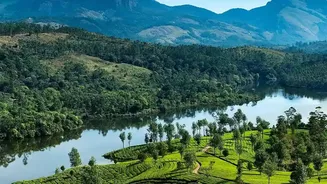
Indian travellers are increasingly trading bustling city breaks for the tranquillity of nature and the authenticity of rural life. This trend, accelerated in recent years, reflects a deeper desire for meaningful and sustainable travel. According to a NITI
Aayog report, a significant majority of tourists now prefer lesser-known destinations and eco-friendly options. This isn't just about escaping crowds; it's about connection—to nature, to local cultures, and to a slower, more deliberate way of experiencing the world. Travellers are seeking immersive journeys over checklist-style sightseeing, leading to longer stays in single locations to fully absorb the environment.
Government Paves the Way
This grassroots movement is being met with a strong institutional push. The Indian government has launched ambitious initiatives to bolster this nascent travel sector. The revamped Swadesh Darshan 2.0 scheme is a cornerstone of this effort, moving towards a destination-centric approach to develop sustainable and responsible tourism. With the mantra of 'vocal for local', the scheme aims to develop thematic circuits, improve infrastructure, and empower local communities. National strategies for sustainable and ecotourism have been established to ensure that this growth is managed responsibly, protecting India's natural and cultural resources for future generations.
Beyond the Traditional Tiger Trail
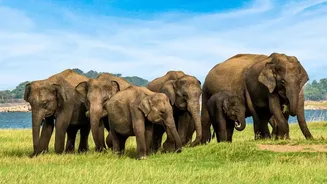
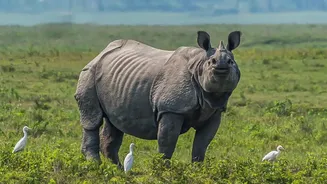
Wildlife tourism in India is evolving beyond the primary goal of tiger sightings in famous parks like Corbett and Ranthambore. While these remain popular, new circuits are emerging that highlight the country's broader biodiversity. Travellers are exploring the wetlands of Keoladeo National Park, the mangrove forests of the Sundarbans, and the unique ecosystems of the Western Ghats. States are actively promoting these lesser-known gems. For example, Andhra Pradesh is developing eco-tourism in places like Maredumilli and creating jungle safaris in Velugodu to showcase forest landscapes and create jobs for tribal youth. This diversification offers a richer, more nuanced wildlife experience.
The Rise of Rural and Agri-Tourism
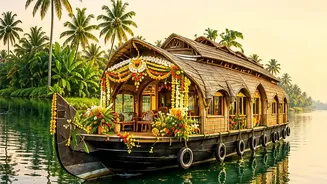
The allure of the simple life has turned rural India into a sought-after destination. The homestay market is booming, providing travellers with an intimate look at local life, culture, and cuisine. This is complemented by the rapid growth of agri-tourism, a market projected to grow significantly in the coming years. States like Maharashtra, which pioneered an agri-tourism policy, are leading the way. Other states, like Uttar Pradesh, are developing hundreds of villages as tourism hubs and supporting the creation of farm stays. These initiatives allow visitors to participate in farming activities, learn traditional crafts, and enjoy authentic rural hospitality, creating a powerful economic engine for village communities.
A Win-Win for Travellers and Communities
This shift towards nature-focused and rural holidays represents a positive development for all stakeholders. For travellers, it offers a refreshing alternative to mass tourism, providing unique, educational, and restorative experiences. For host communities, it creates vital economic opportunities and employment, particularly for women and youth, helping to reduce migration to urban centres. Furthermore, this model of tourism is inherently more sustainable. By placing value on pristine environments and cultural heritage, it incentivises conservation and promotes responsible practices, ensuring the long-term viability of India's most precious assets.