






The End of the Annual Holiday
The long-held tradition of saving up for one big annual vacation is fading. Today's youth are trading it for multiple, shorter getaways. Recent survey data shows that a staggering 87% of young Indians now prefer trips that last less than a week, with
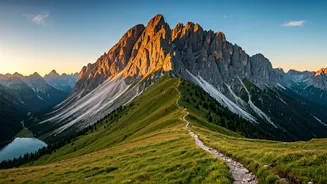
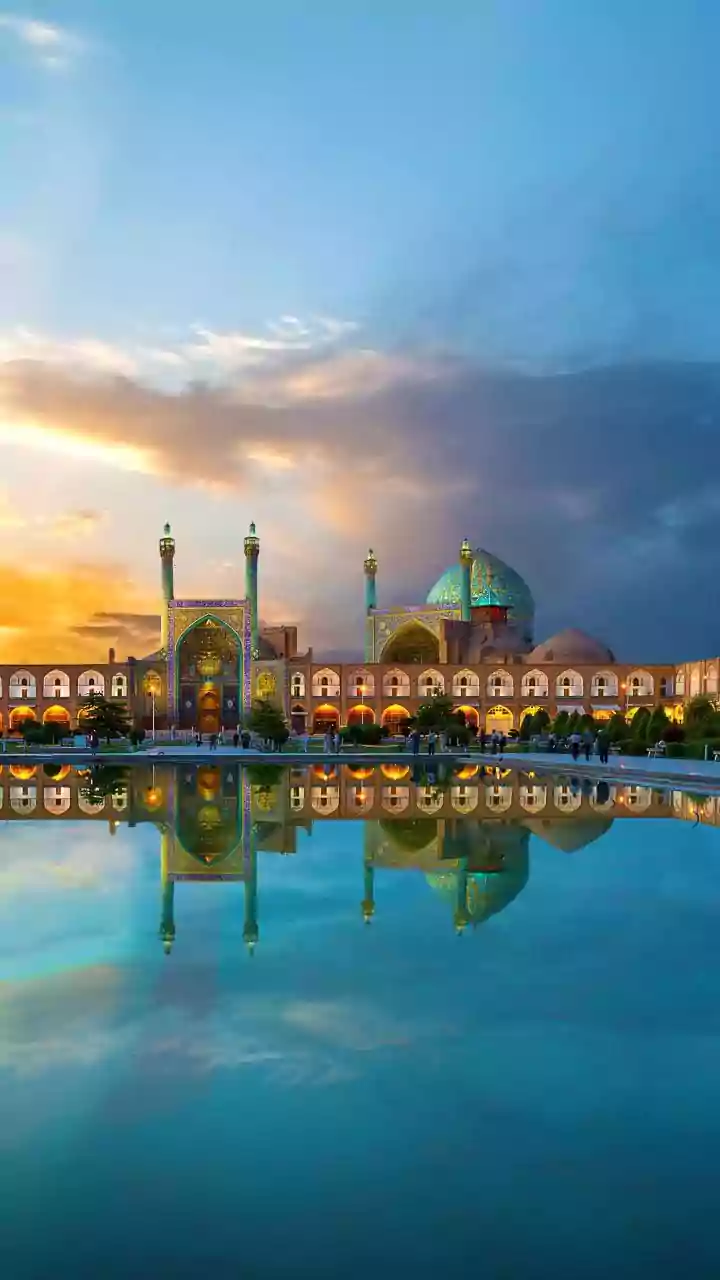
many favouring three short breaks over a single long one. [2, 4, 6] This shift isn’t just about frequency; it’s a change in philosophy. Travel is no longer a meticulously planned event months in the making. Instead, it has become a spontaneous response to a free weekend or the need for a mental reset. [5] Around two-thirds of young travellers book their trips just days or weeks in advance, embracing flexibility and variety. [3]
In Search of Authenticity and Rest
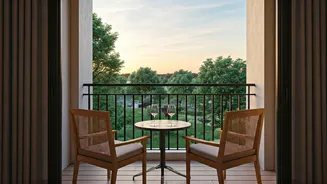
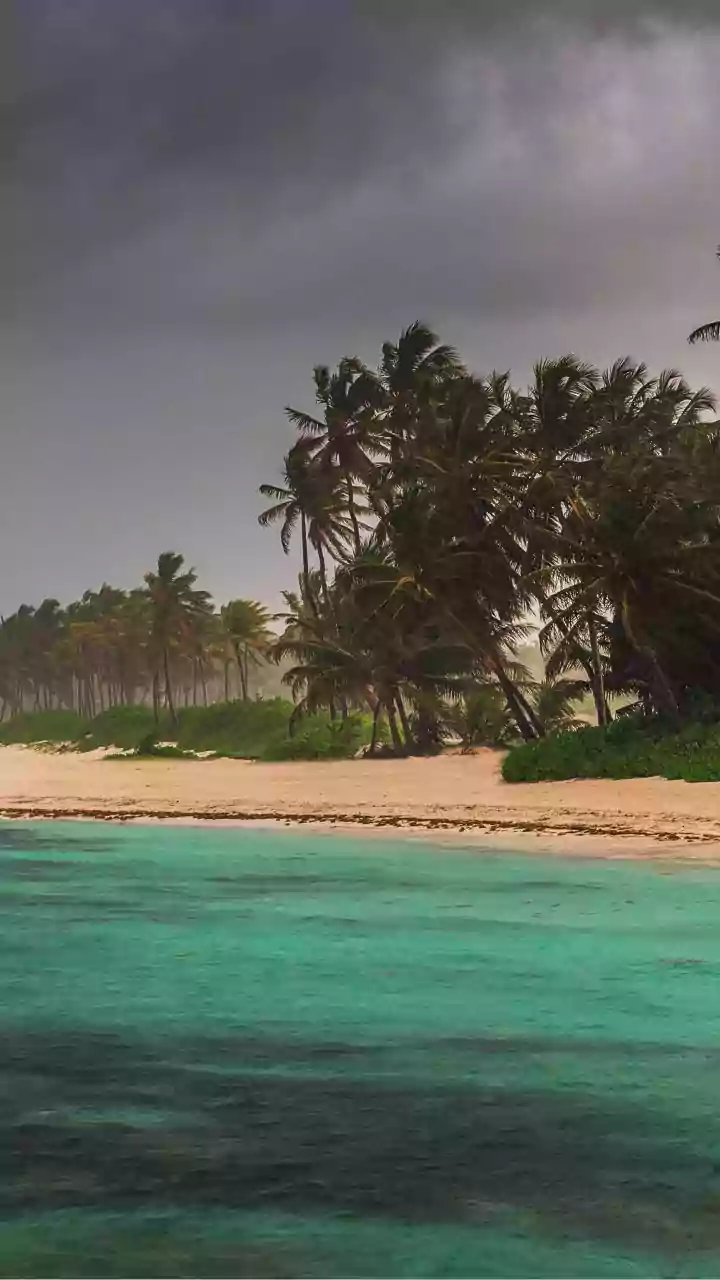
This new generation of travellers is distinctly anti-itinerary. [3, 5] The goal is no longer to tick off a list of famous landmarks. In fact, 80% say the small, unscripted moments of a trip matter more than famous attractions. [5] A vast majority—95%—want their journey to feel personal and unique, intentionally leaving schedules open for spontaneous exploration. [2, 3] This has led to the rise of 'slow travel' and 'destination dupes,' where lesser-known locales are chosen over crowded tourist hubs. [8] The destination itself is becoming secondary to the experience of the stay. Many young travellers now spend over half their time at their accommodation, which they choose carefully to reflect their personal taste. [2, 3]
The Rise of the Hobby Workshop
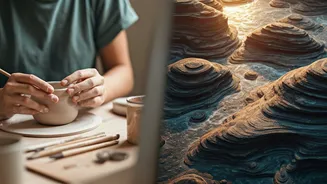
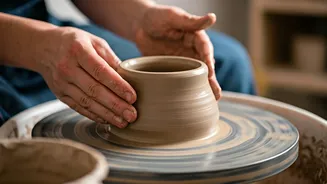
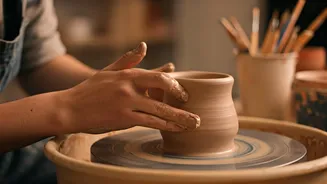
Beyond travel, the weekend is also becoming a time for tangible skills and offline connection. In response to corporate burnout and digital fatigue, there's a growing movement to reclaim hobbies for pure joy, not productivity. [23] Cities across India are seeing a boom in weekend workshops for everything from pottery and perfume-making to calligraphy and fluid art. [16, 25] These classes offer more than just a new skill; they provide a space for 'technologically mediated leisure' to be replaced by physical, mindful activity. [17] For many young professionals, spending a few hours moulding clay or learning a new craft serves as a powerful antidote to endless screen time and the pressure to monetise every talent. [23]
Community Is the New Currency
A deeper motivation behind these trends is the search for community. In an era of urban loneliness and fragmented social lives, paid experiences are becoming the new infrastructure for human connection. [18] A running club is about more than fitness; it’s about shared routine and identity. A 'Sip & Paint' workshop is less about the art and more about socializing in a relaxed, creative environment. [25] This desire for connection is also reflected in travel choices, with more than half of young group travellers preferring a shared home over separate hotel rooms. [4, 7] For many, the people they travel with are more important than the destination itself. [4] These hobby groups and micro-trips are fulfilling a fundamental need for belonging that was once met more organically within neighbourhoods and communities. [18]
Wellness as an Active Pursuit
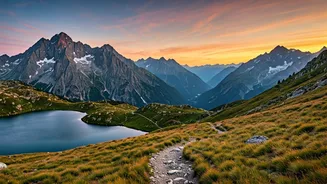
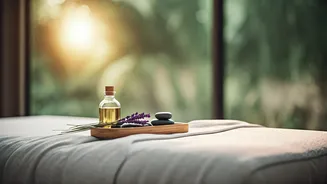
Underpinning this entire shift is a focus on wellness, but not in the passive sense. It’s about actively seeking experiences that restore mental and physical health. [10, 13] Two out of three young travellers take trips with the explicit intention of doing nothing but resting and recharging. [2, 3] This has fuelled a surge in wellness tourism, with a focus on holistic healing, stress management retreats, and digital detoxes. [13] Weekends are no longer just for recovering from the previous week but are being intentionally designed to build resilience for the week ahead, whether through a trek in nature, a meditation session, or simply a quiet staycation away from the noise of daily life. [21]