







Understanding Your Hidden Metabolism
To grasp why walking meetings are so effective, we first need to understand a concept called Non-Exercise Activity Thermogenesis, or NEAT. It sounds complex, but it's simply the energy you burn doing everything except formal exercise, eating, or sleeping.
This includes daily activities like typing, fidgeting, doing chores, and, most importantly, walking. While a gym session is great, NEAT is the unsung hero of your metabolism, accounting for a huge portion of your daily energy expenditure. For many people, the difference in daily NEAT can vary by up to 2,000 calories, which is why two people of similar size can have vastly different energy needs. Unfortunately, our modern, sedentary jobs have dramatically reduced our collective NEAT, contributing to weight gain and related health issues.
The Power of Trading a Chair for a Stroll
The difference between sitting and walking is more significant than you might think. Swapping a 30-minute seated meeting for a walk-and-talk can more than double your calorie expenditure for that period. This simple change, done consistently, adds up to a meaningful increase in your weekly energy output. But the benefits extend far beyond just burning calories. Sitting for prolonged periods is now frequently compared to smoking in terms of its negative health impacts. By breaking up long stretches of sitting, walking meetings help reduce the risks associated with a sedentary lifestyle, such as poor posture, back pain, and even chronic conditions. It’s a low-impact way to improve circulation, elevate your mood, and reduce stress during a packed workday.
A Boost for Your Brain, Not Just Your Body
Walking meetings don't just benefit your physical health; they are a powerful tool for enhancing productivity and creativity. Research from Stanford University famously found that walking can increase creative output by an average of 60%. The act of moving increases blood flow to the brain, which can help generate fresh ideas and facilitate clearer thinking. The informal, side-by-side dynamic also helps break down hierarchical barriers that can exist across a conference table. This often leads to more honest, open dialogue and stronger collaboration. Colleagues may feel more comfortable brainstorming freely or discussing challenging topics in a more relaxed setting, strengthening working relationships and team camaraderie.
Your Guide to a Perfect Walking Meeting
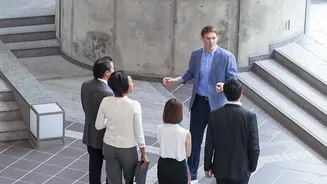
Ready to give it a try? Hosting a successful walking meeting is simple with a little planning. First, consider the purpose and participants. Walking meetings are ideal for one-on-one check-ins, brainstorming sessions, or small group discussions of two to three people. For larger groups, conversations can become fragmented. Second, communicate clearly. Let attendees know in advance so they can wear comfortable shoes and appropriate clothing. Third, have a plan. Set a clear agenda so everyone knows the topics, and map out a route that is safe, relatively quiet, and suitable for the allotted time. Finally, think about logistics. For note-taking, consider using a voice memo app on your phone, or designate one person to jot down key takeaways afterward. The goal is to focus on the conversation, not get bogged down by technology.
Overcoming Common Hurdles
While the benefits are clear, some practical challenges can arise. What about bad weather? Always have an indoor backup plan, whether it's rescheduling or simply taking a few laps inside a large building. What if you need to reference documents? Walking meetings are not ideal for data-heavy presentations. Send any necessary materials in advance for review, so the walking portion can be dedicated to discussion. Also, be mindful of different fitness and mobility levels. The pace should always be comfortable for the slowest person, ensuring no one is out of breath and unable to talk. The goal is a productive conversation, not a race. By anticipating these minor obstacles, you can ensure your walking meetings remain an effective and enjoyable part of your work routine.