






The Economics of Entertainment
The most significant factor driving this shift is simple arithmetic. A single weekend movie ticket at a metropolitan multiplex can cost anywhere from ₹250 to over ₹800, with premium formats like IMAX soaring even higher. Add the notoriously expensive
popcorn and beverage combo, which can easily set you back another ₹500-₹900, and a trip to the cinema for two can quickly approach ₹2,000 or more. In stark contrast, a monthly subscription to a streaming service like Netflix, Amazon Prime Video, or Disney+ Hotstar costs less than a single premium movie ticket, offering unlimited access to a vast library of content. For a generation that is digitally native and financially savvy, the value proposition of streaming is almost impossible to ignore. The cost of an annual subscription is often less than what a couple might spend on just two or three movie nights out.
Convenience is King
Beyond the cost, the sheer convenience offered by Over-the-Top (OTT) platforms is a game-changer. The ability to watch content anytime, anywhere, and on any device—be it a smartphone, laptop, or smart TV—aligns perfectly with the flexible, on-demand lifestyle of young adults. There are no fixed showtimes, no battling traffic, and no struggling for parking. The power to pause for a snack break, rewind a missed dialogue, or binge-watch an entire season in one go gives the viewer complete control over their entertainment experience. This level of flexibility is something traditional cinemas simply cannot match. The pandemic also played a crucial role, acting as a catalyst that forced audiences to seek entertainment at home, cementing viewing habits that have persisted long after theatres reopened.
A Universe of Content Choices
While cinemas are limited to a handful of new releases each week, streaming platforms offer a seemingly infinite universe of content. From blockbuster movies and original web series to international dramas, niche documentaries, and a growing library of regional language productions, the variety is immense. This diverse catalogue caters to a wide range of tastes and moods. Young viewers, exposed to global trends through social media, are increasingly seeking out authentic, diverse, and relatable stories that go beyond mainstream Bollywood. OTT platforms have become the primary destination for this content, offering everything from Korean dramas and Spanish thrillers to bold Indian web series that tackle contemporary themes often avoided by mainstream cinema.
The New Social Experience
Going to the movies has traditionally been a social activity, but streaming has redefined what it means to watch together. The concept of a 'watch party' at home with friends has become a popular and more intimate alternative to a public theatre. Furthermore, the social dimension of entertainment has moved online. The ability to instantly discuss plot twists, share memes, and engage with fan communities on social media platforms adds a layer of interactive engagement that enhances the viewing experience. This digital watercooler conversation happens in real-time, creating a sense of shared community around a show that a cinema outing, with its enforced silence, cannot replicate.
A Premium Experience at Home
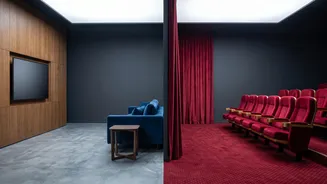
The argument that cinemas offer a superior audio-visual experience is also weakening. With the increasing affordability of large-screen smart TVs, quality sound systems, and high-speed broadband, creating a high-quality home theatre setup is more accessible than ever. A recent study found that a large majority of Indian viewers actually prefer streaming on their TVs for better video and sound quality. While multiplexes still hold the edge with giant screens and immersive sound for big-budget spectacles, for most other content, the home viewing experience is now more than satisfactory—it’s often preferred for its comfort and ergonomic benefits.