




Beyond a Single Crowded Train
For decades, planning a train journey on a high-demand route in India has been a game of chance. Securing a confirmed ticket, especially during holidays or for last-minute travel, often feels impossible. The system has traditionally relied on a single
train service for a specific route at a particular time, leading to massive oversubscription and waitlists that run into the hundreds. This forces travellers to either book months in advance, rely on the unpredictable 'tatkal' quota, or abandon their plans altogether. However, Indian Railways is now shifting from this one-size-fits-all approach to a more dynamic, multi-layered system designed to add capacity and flexibility exactly where it's needed most.
The Vande Bharat Effect: Speed Creates Capacity
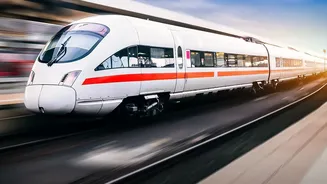
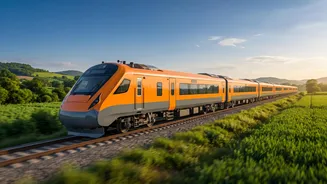
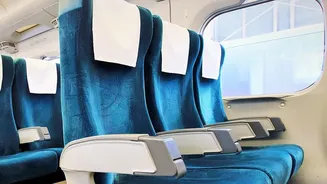
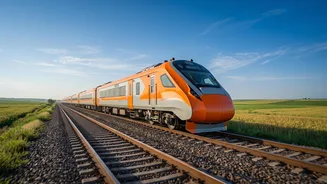
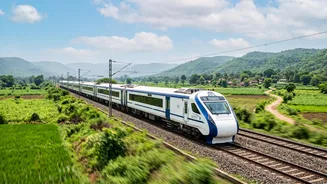
The most visible change is the expansion of the Vande Bharat Express network. These semi-high-speed, chair-car trains are not just about a premium travel experience; they are a crucial tool for decongestion. By significantly reducing travel time on inter-city routes, Vande Bharat trains complete a round trip faster than conventional trains. This operational efficiency means the same trainset can run more services in a given period, effectively increasing the number of available seats on a corridor without adding more physical trains. For passengers, this translates to more options throughout the day, making it easier to plan a trip without being locked into a single overnight departure time. The upcoming Vande Bharat Sleeper services promise to extend this benefit to long-distance overnight routes, targeting some of the nation's busiest corridors like Delhi-Mumbai and Delhi-Howrah.
Amrit Bharat: For the Heart of the Rush
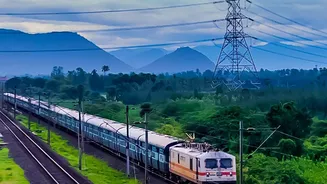
While Vande Bharat caters to one segment, the Amrit Bharat Express is designed to tackle the core of the overcrowding problem on long-distance routes. These non-AC and sleeper-class trains are specifically aimed at providing an affordable and improved travel option for migrant workers and budget-conscious travellers, who form the bulk of passengers on many congested lines. A key innovation is the use of 'push-pull' technology, with a locomotive at each end of the train. This allows for faster acceleration and deceleration, cutting down overall journey time and reducing the time the train occupies the tracks. By offering a better, faster alternative for the masses, the Amrit Bharat Express helps divert traffic from older, slower mail and express trains, easing pressure across the network.
Clone Trains: A Direct Answer to Waitlists
Perhaps the most direct solution to the waitlist problem is the 'clone train' scheme. When a specific train on a high-demand route consistently accumulates a large number of waitlisted passengers, Indian Railways can run a second, or 'clone', train shortly ahead of the original one. This duplicate service, often using the same train number, is exclusively for waitlisted passengers of the original train. Eligible travellers are notified after the final reservation chart is prepared, offering them a confirmed berth on the clone train. This system acts as a real-time demand absorber, transforming a long waitlist from a source of anxiety into a potential second travel option. It makes planning more reliable, as a waitlisted ticket now carries a higher probability of confirmation.
Building a Foundation for the Future
These new services are supported by a massive, long-term infrastructure upgrade. Indian Railways is working on a plan to quadruple the tracks on its seven busiest corridors, which span about 11,000 kilometres but handle over 40% of the country's total rail traffic. Expanding these routes from double tracks to four will allow for the segregation of fast passenger trains and slower freight trains, dramatically reducing delays and clearing bottlenecks. This foundational work, combined with the deployment of the Kavach anti-collision system, will enable all trains—new and old—to run closer to their top speeds more consistently, improving punctuality and making the entire network more predictable for planners.