



The Myth of Complicated Equipment
The dream of recreating restaurant-quality naan or parathas at home was often dashed by one major assumption: you needed a tandoor. The intense, dry heat of this traditional clay oven seemed essential for achieving that signature char and puff. However,
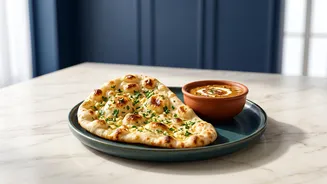
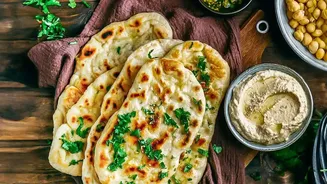
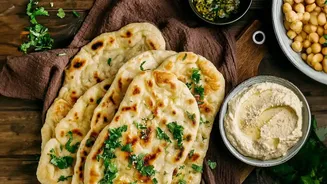
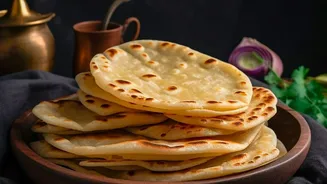
home cooks across the country are now proving that everyday equipment is more than capable. A heavy-bottomed cast-iron pan, or tawa, provides the consistent, high heat needed to cook breads quickly, creating a soft interior. Flipping the pan upside down over a gas flame can even replicate the direct heat of a tandoor for dishes like kulcha. Some have even turned to preheating a pizza stone in a standard oven to get that initial blast of heat that makes naan bubble and rise. The key isn't a specific oven, but understanding how to apply high, fast heat.
The Science of a Soft Dough
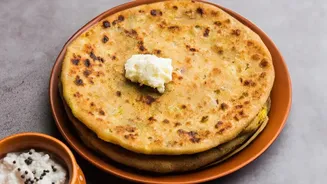
The secret to a tender, pliable bread begins with the dough itself. While flour and water are the base, the magic lies in the enriching ingredients. Many recipes for softer rotis and parathas now incorporate warm milk or yogurt. The proteins and fats in dairy help tenderize the dough and retain moisture, keeping the bread soft long after it has cooled. Adding a fat like ghee or oil is also crucial. It coats the gluten strands, preventing them from becoming too tough and resulting in a more supple crumb. The type of flour matters, too. While whole wheat flour (atta) is traditional for rotis and some parathas, all-purpose flour (maida) is often used for lighter, fluffier breads like naan and kulchas due to its lower protein content. A resting period of at least 20-30 minutes after kneading is non-negotiable, as it allows the gluten to relax and the flour to fully hydrate, making the dough easier to roll and ensuring a softer final product.
Mastering the Art of the Layer
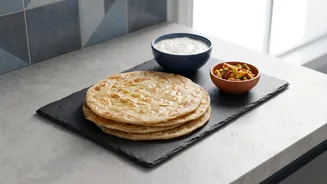
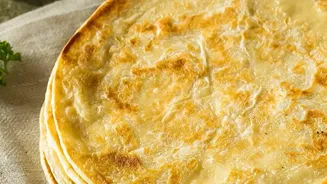
The defining feature of breads like lachha paratha and Malabar parotta is their countless flaky layers. This impressive texture isn't the result of a complex recipe, but a simple, clever folding technique. The most common method involves rolling the dough into a very thin disc, brushing it liberally with ghee or oil, and sprinkling it with a light dusting of flour. From there, you pleat the dough like a paper fan, coil the pleated strip into a tight spiral, and then gently roll it out again. Another popular technique involves cutting the oiled disc into thin strips with a knife, gathering the strips together, and then coiling them. When cooked, these layers of fat and dough separate, creating a texture that is crispy on the outside and wonderfully soft within. The final touch for many layered parathas is to 'crush' the hot bread by clapping it between your hands, which helps to separate and fluff up the layers.
Pillowy Kulchas Without a Tandoor
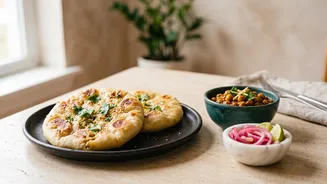
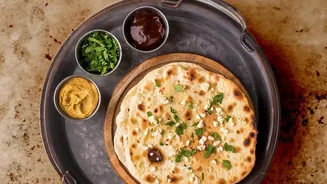
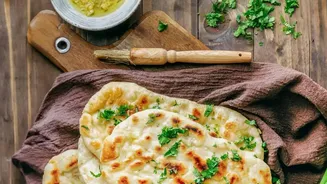
Kulcha, a soft and slightly chewy leavened bread from Punjab, has long been considered a restaurant-only treat. Unlike naan, which often uses yeast, kulchas traditionally get their lift from baking powder and baking soda combined with yogurt. This combination creates a signature tangy flavour and a soft, pillowy texture. To make them at home, the dough is prepared and allowed to rest for a few hours to ferment slightly. It's then rolled out, often topped with sesame seeds or coriander, and cooked on a hot tawa. One popular trick to achieve a tandoor-like finish is to wet one side of the kulcha and stick it to the hot pan. After the top begins to bubble, the entire tawa is inverted over the flame, cooking the top of the bread directly in the heat and giving it those coveted charred spots.