






Mastering the Air You Breathe
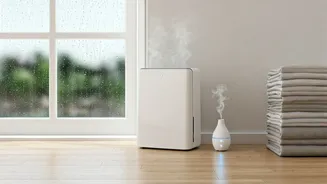
High humidity is the defining characteristic of the monsoon, creating an environment where mould, mildew, and musty smells thrive. [5, 8] Improving indoor air quality starts with strategic ventilation. While it may seem counterintuitive, opening windows
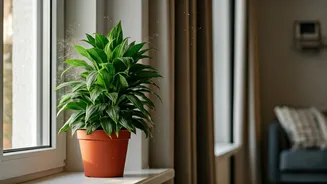
for short periods during drier parts of the day is crucial for cross-ventilation, which pushes out stale, moist air and invites fresh air in. [2, 6] Using exhaust fans in kitchens and bathrooms is also essential to expel moisture-laden air, especially after cooking or showering. [22] For a more consistent solution, an air conditioner’s ‘dry mode’ can effectively reduce humidity without over-cooling the room. [14] You can also turn to natural, low-cost dehumidifiers. Bowls of rock salt, baking soda, or activated charcoal placed in corners or cupboards can absorb excess moisture from the air, helping to keep spaces feeling fresh. [2, 18] Certain indoor plants, like peace lilies and snake plants, also help by purifying the air. [2, 5]
The Pursuit of Dryness
The battle against dampness is a core part of any monsoon home reset. Clothes, wooden furniture, and even walls can fall victim to moisture. [10] Wardrobes are particularly vulnerable, as they are closed-off, dark spaces. To protect your clothes, ensure they are completely dry before storing them. [15] Placing moisture absorbers like silica gel packets, camphor, or neem leaves inside closets can prevent fungal growth and keep garments smelling fresh. [12, 18, 19] It’s also wise to keep wooden furniture a few inches away from walls to prevent moisture transfer. [10] Before the season begins, it's a good idea to inspect for and seal any cracks in walls or around window frames to prevent water seepage. [11, 13] For floors, using water-absorbent doormats at entrances is a simple but effective way to stop mud and water from being tracked inside. Regular mopping with a disinfectant helps keep floors clean and hygienic, but make sure they dry quickly to avoid adding to the indoor humidity. [3, 9]
Letting in the Light
Overcast skies can make homes feel dark and gloomy, which can affect your mood and productivity. [20] Maximising the available natural light is key. Swap out heavy, dark curtains for lightweight, sheer, or light-coloured ones that allow more sunlight to filter through while maintaining privacy. [10, 20] The strategic placement of mirrors can also work wonders; a mirror positioned opposite a window will reflect light, making the entire room feel brighter and more spacious. [20] Beyond natural light, your choice of artificial lighting matters. LED lights are an energy-efficient option that provides clear, bright light. [23] Using a mix of lighting types—such as ambient ceiling lights, focused task lights for reading or working, and warm accent lights—can create a layered and inviting atmosphere that counteracts the dreariness outside. [26, 27] Opting for warm white bulbs can help create a cosy, comforting glow, mimicking the feel of sunshine even on the rainiest of days. [23]
Creating a Sensory Reset
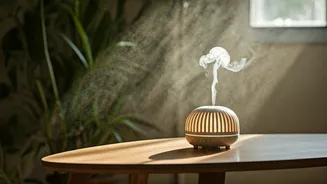
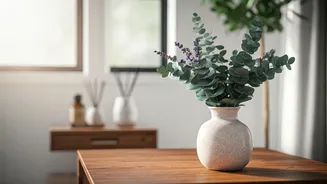
A true monsoon reset goes beyond cleaning and organising; it's about creating a pleasant sensory experience. Unpleasant, musty odours are a common complaint during the rainy season. [8] Instead of using scented candles or incense sticks, which can release pollutants, opt for natural air fresheners. [14] A small bowl of coffee grounds or lemon peels can absorb bad smells and release a subtle, pleasant fragrance. [8] Similarly, using a few drops of essential oils in a diffuser can uplift the mood and purify the air. The visual aspect is just as important. Decluttering spaces can make them feel more open and airy. Introducing bright colours through cushion covers, throws, or bed linens can add a touch of cheerfulness to combat the grey weather outside. [10] By focusing on these small details, your home transforms from a space that merely endures the monsoon to one that actively enhances your well-being throughout the season.