


Beyond the Buzzword of 'Eco-Friendly'
In the misty hills of Coorg, Wayanad, and the Nilgiris, the term 'eco-stay' is being reclaimed from a mere marketing tag to a deeply embedded philosophy. These are not just hotels with a few solar panels. They are destinations designed to have a minimal
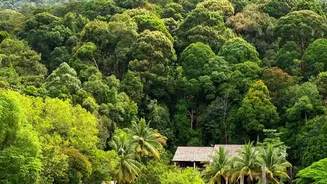
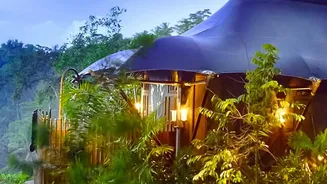
environmental footprint, often built on principles of conservation and community partnership. Properties are frequently constructed using locally sourced and reclaimed materials, such as granite, bamboo, and waste wood, to blend seamlessly into the landscape rather than dominate it. The architectural ethos often draws from traditional designs, like the thatched roofs and terracotta floors of Kodagu villas or the 'Nalukettu' courtyard-centric homes of Kerala, which are naturally suited to the climate and reduce the need for air conditioning.
A Blueprint for Sustainable Living
The commitment of these stays runs deep into their daily operations. It’s a circular system where every element is connected. Kitchen waste is often converted into biogas for cooking fuel, and this in turn is used to prepare meals made from produce grown in their own organic gardens. Water management is a key priority in this ecologically crucial region. Many properties practice extensive rainwater harvesting and draw water from natural on-site springs, which is then carefully filtered for drinking. Some pioneering resorts have almost entirely eliminated their reliance on the grid for hot water, using biomass boilers fed by windfall branches and coconut husks from the estate itself. This closed-loop approach means that the very act of staying at one of these locations supports a self-sustaining model.
Conservation and Community Hand-in-Hand
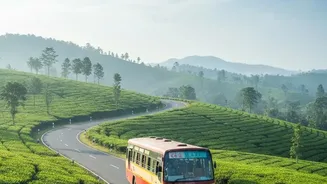
What makes these eco-stays truly special is their symbiotic relationship with their surroundings, including local communities and wildlife. Many are situated within vast coffee, spice, or tea plantations that practice shade-grown cultivation, a method that mimics a natural forest and provides a rich habitat for birds and other wildlife. This means your morning walk could feature sightings of hornbills and Malabar giant squirrels. Beyond just preserving flora and fauna, these establishments are often deeply integrated with the local economy. They employ guides and staff from nearby villages, promote traditional handicrafts, and offer guests authentic cultural experiences, ensuring that tourism revenue directly benefits the communities who are the ancestral custodians of the land. This approach fosters a sense of shared ownership in conservation.
The View Is the Reward
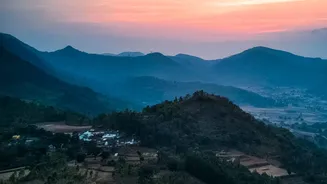
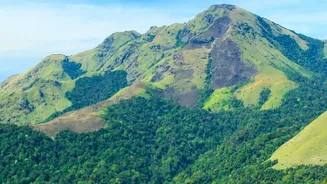
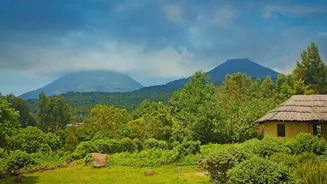
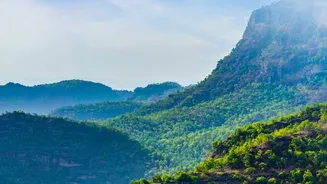
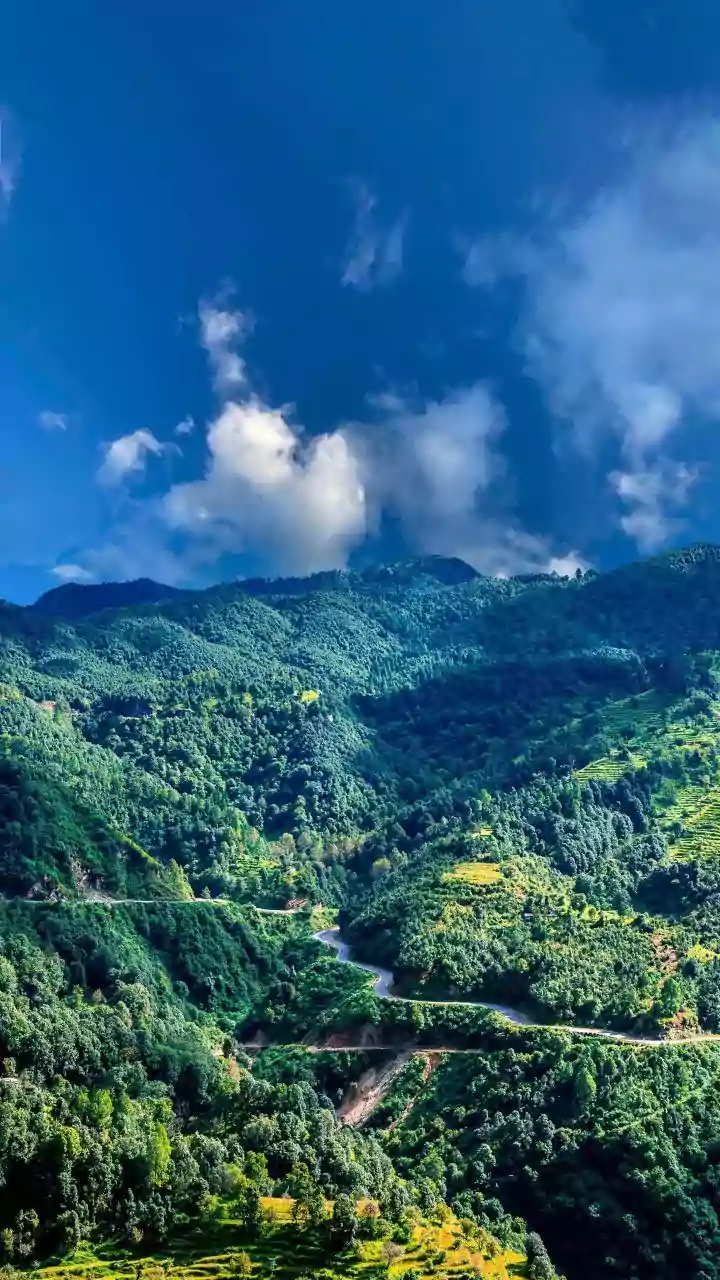
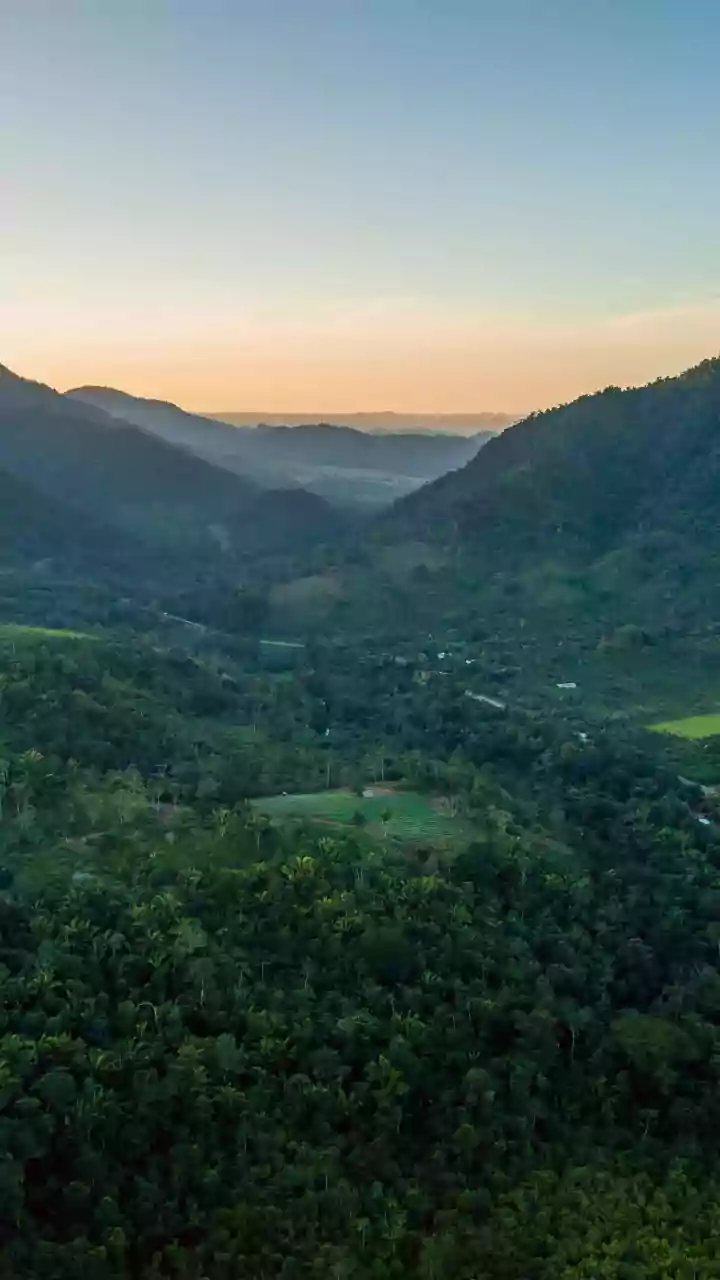
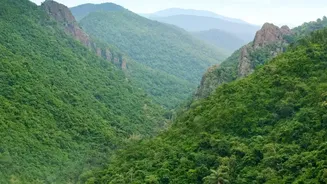
The breathtaking scenic views promised in the Western Ghats are not an accidental byproduct; they are the direct result of this intense conservation effort. By choosing to build on only a tiny fraction of their land—some resorts develop as little as 3 acres out of a 400-acre estate—these stays preserve vast swathes of rainforest and plantation canopy. The rolling hills, dense shola forests, and mist-filled valleys you see from your balcony are thriving precisely because the business model is designed to protect them. Unregulated construction can lead to soil erosion and environmental degradation, which ultimately compromises the natural beauty of the region. The offbeat eco-stay, therefore, presents a powerful proposition: the most spectacular view is the one you help to sustain. The experience becomes more than just a holiday; it's a quiet participation in the preservation of one of the world's most vital biodiversity hotspots.