





Why Post-Monsoon Humidity Is a Hydration Challenge
After the rains subside, the lingering humidity in the air changes how our bodies cool down. Normally, sweat evaporates from our skin, taking heat with it. But when the air is already saturated with moisture, sweat can't evaporate as efficiently. This
means your body might sweat even more to try and cool itself, leading to significant fluid and mineral loss. You might feel sticky and fatigued, not realising just how much fluid you're losing. This makes staying hydrated more complex than simply drinking when you feel thirsty, as the usual thirst signals can sometimes be less reliable in humid weather.
The Power of Plain Water
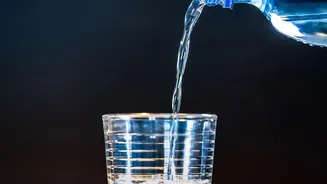
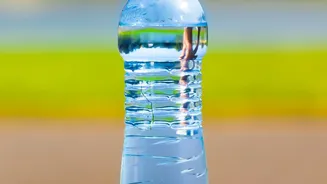
For the vast majority of your daily activities, plain water is the undisputed champion of hydration. If you're working at a desk, running errands, or engaging in light to moderate exercise for less than an hour, water is perfectly sufficient to replenish the fluids you lose. It effectively regulates body temperature, helps organs function, and removes waste without adding unnecessary sugars or calories found in many commercial drinks. A good rule of thumb is to monitor your urine colour; a pale yellow hue generally indicates you are well-hydrated. Most experts recommend about 8-10 glasses of fluid daily, but this can vary based on your activity level and personal health.
So, What Are Electrolytes?
Electrolytes are essential minerals like sodium, potassium, calcium, and magnesium that carry an electric charge. They play a crucial role in balancing your body's fluid levels, enabling nerve signals, and supporting muscle contractions. You lose these vital minerals, particularly sodium and potassium, when you sweat. While your body has a well-regulated system for maintaining electrolyte balance, significant losses can disrupt these critical functions, leading to symptoms like muscle cramps, dizziness, and fatigue.
When Electrolytes Are Necessary
Reaching for an electrolyte drink isn't an everyday necessity, but it becomes important in specific situations where you lose a lot of sweat. You should consider an electrolyte-rich beverage if you are: engaged in intense exercise lasting more than 60 minutes; working outdoors for extended periods in hot, humid conditions, such as in construction or farming; or experiencing fluid loss due to illness like vomiting or diarrhoea. In these scenarios, plain water may not be enough to replace the essential minerals lost. Electrolyte drinks are designed to help your body absorb and retain fluid more effectively, speeding up the rehydration process.
The Risks of Getting It Wrong
While dehydration is a well-known risk, there are also downsides to improper rehydration. Consuming sugary sports drinks when you don't need them can lead to excess calorie and sugar intake. More seriously, drinking excessive amounts of plain water during intense, prolonged sweating can dilute the sodium in your blood, leading to a dangerous condition called hyponatremia. Symptoms can include nausea, headache, confusion, and muscle weakness. Conversely, consuming too many electrolyte supplements can also be harmful, potentially causing issues like high blood pressure or straining your kidneys.
Natural Sources of Electrolytes
You don't always need to turn to a commercial sports drink. Many common foods and drinks are excellent natural sources of electrolytes. Coconut water is a popular choice, naturally rich in potassium and other minerals. Fruits like bananas, oranges, and watermelon are great for potassium. Dairy products like milk and yogurt provide calcium, sodium, and potassium. Leafy green vegetables, beans, and avocados are also packed with essential minerals. For a simple homemade solution, a glass of water with a small pinch of salt and sugar can also help replenish what you've lost.