


Why Welcome Wildlife?
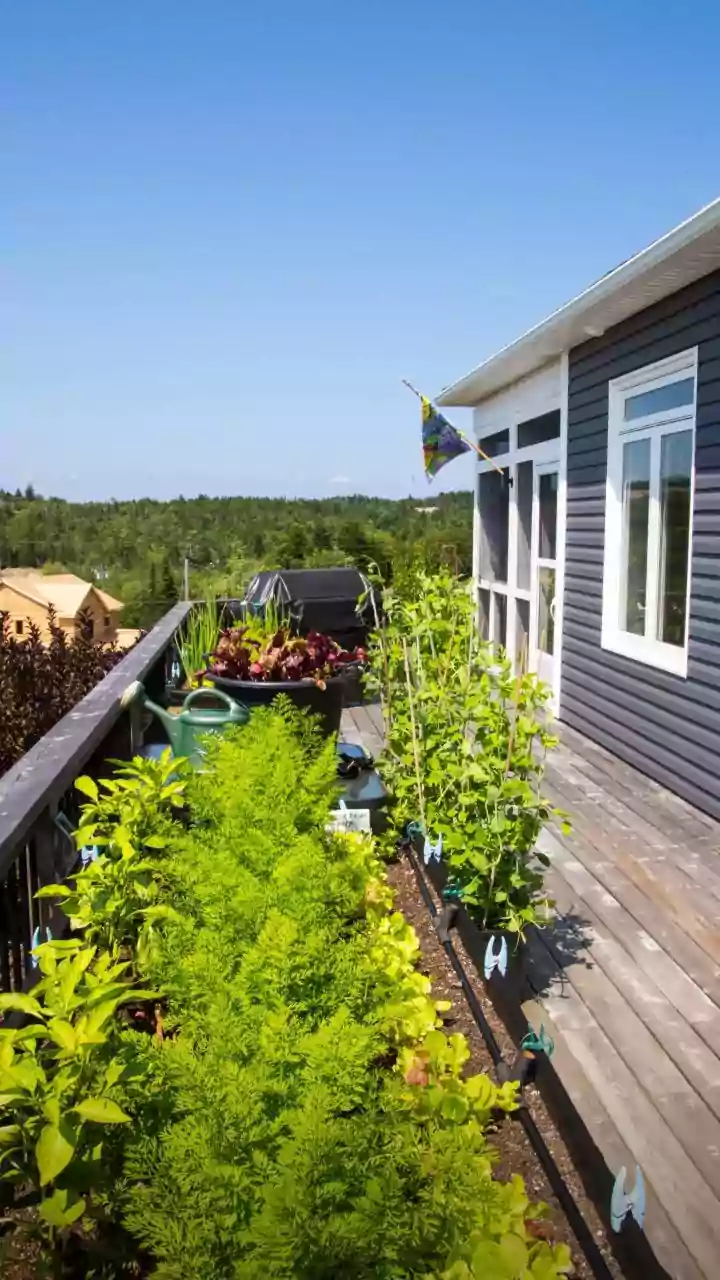
Beyond the simple joy of spotting a sunbird from your window, creating a wildlife-friendly space plays a crucial role in supporting urban biodiversity. As cities expand, natural habitats shrink. A thoughtfully planted balcony can become a vital 'stepping
stone' in a larger green corridor, offering food and shelter for pollinators and other small creatures. These urban gardens help create healthier, more resilient city environments for everyone. The trend is driven by a desire to reconnect with nature, reduce stress, and contribute positively to the local ecosystem, proving that even the smallest spaces can make a big impact.
For the Pollinators: Bees and Butterflies
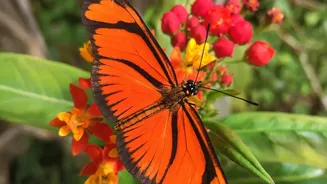
To attract bees and butterflies, your best bet is to plant a variety of native flowering plants. These insects co-evolved with local flora and are naturally drawn to them. Marigolds (Genda) are incredibly easy to grow in pots and their bright blooms are a magnet for bees. Similarly, the vivid blue flowers of Aparajita (Butterfly Pea) make it a cheerful and effective climber for balcony railings. For fragrance and constant activity, plant Mogra (Jasmine), which attracts pollinators with its sweet scent. When these plants flower, they provide a reliable source of nectar, ensuring your balcony becomes a favourite feeding spot for these essential insects.
For the Birds: Nectar and Shelter
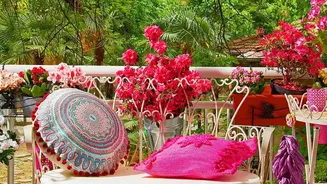
Sunbirds, with their iridescent colours and quick movements, are a delightful sight in any urban garden. They are primarily attracted to nectar-rich, tubular flowers. Hibiscus is a classic choice, and its large, colourful blooms are a dependable food source that adapts well to containers. Another excellent option is Ixora, whose dense clusters of red, orange, or pink flowers are consistently visited by sunbirds. For a bright splash of colour, consider dwarf varieties of Tecoma (Yellow Bells) or Bottlebrush, both of which produce striking, nectar-filled flowers that birds find irresistible.
Beyond Flowers: Creating a Complete Habitat
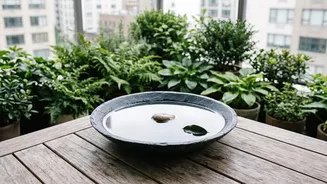
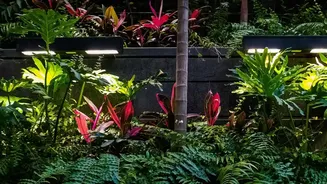
A true haven for wildlife offers more than just food. One of the most important additions is a source of water. A simple, shallow dish or bowl of fresh water will attract birds for drinking and bathing, especially during hot weather. Ensure you clean and refill it regularly to keep it safe and inviting. Also, think about providing shelter. Densely foliaged plants offer birds a place to rest and hide from predators. You can create layers with a mix of small shrubs, climbers, and hanging pots to make different species feel secure. Even leaving out natural materials like small twigs can help birds with nest-building.
Getting Started: Tips for Success
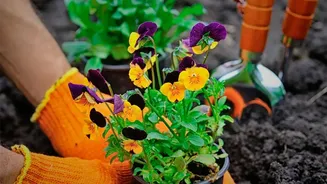
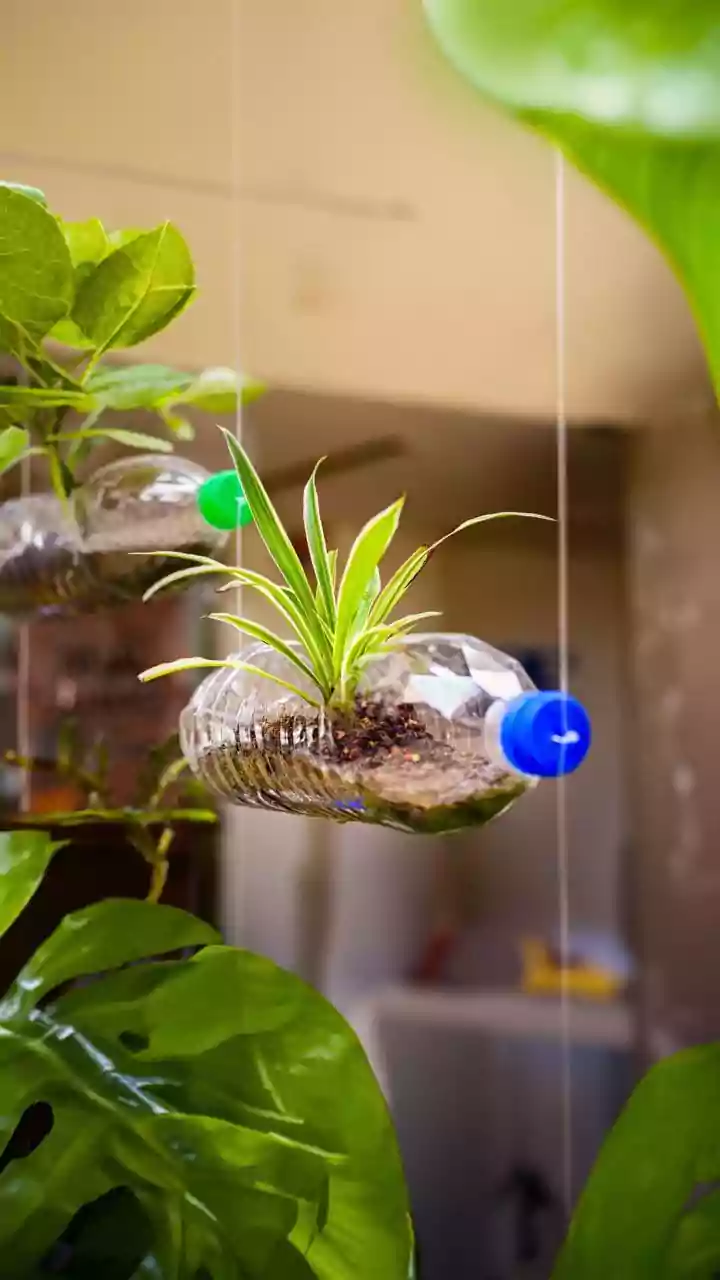
Starting your wildlife balcony is simpler than it sounds. Prioritize native plants, as they are better adapted to the local climate and more beneficial to local wildlife than many exotic ornamentals. Avoid using chemical pesticides, which can harm the very creatures you're trying to attract. Instead, embrace organic methods. Container gardening has become highly accessible with lightweight grow bags and vertical planters that make efficient use of small spaces. Don't feel you need to create a dense jungle overnight. Start with a few well-chosen plants, add a water source, and watch as nature begins to arrive at your doorstep.