







Know Before You Go
Preparation is your first line of defence against a rain-soaked, delayed commute. Before stepping out, check real-time weather and traffic conditions. The India Meteorological Department (IMD) provides regular updates on expected rainfall intensity. For
on-the-ground conditions, technology is your best friend. Navigation apps like Google Maps and Mappls allow users to report and view waterlogged areas, road closures, and traffic jams. In some cities like Mumbai and Gurgaon, specific features have been rolled out to provide flood alerts. Many local traffic police departments, including Bengaluru's, are active on social media platforms, providing real-time advisories on congestion and alternative routes. The central government has also launched an app called 'FloodWatch' that provides forecasts and advisories for various regions. A quick check of these resources can help you decide whether to delay your travel, take a different route, or opt for an alternative mode of transport.
Decoding Public Transport Alerts
When heavy rain hits, public transport services are often the first to be affected. Keep a close watch on official announcements from your local metro, bus, and rail authorities. In cities like Mumbai, heavy rainfall can lead to the closure of subways like the one in Andheri and cause delays in suburban train services. Waterlogging on tracks can slow down or halt trains, while flooded streets can force buses to be diverted or suspended. Authorities usually disseminate information through their official websites, apps, and social media handles. Understand the terminology: 'delayed' means services are running behind schedule, 'diverted' means buses are taking a different route to avoid waterlogged stretches, and 'suspended' means the service is temporarily stopped. Having this clarity helps you make quicker decisions and avoid getting stranded.
Tips for Navigating Flooded Streets
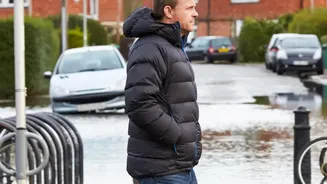
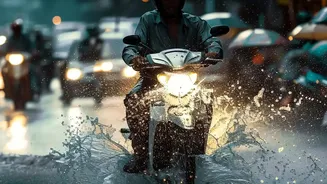
If you must travel through waterlogged areas, whether by car, two-wheeler, or on foot, prioritize safety above all else. For drivers, the most important rule is to avoid driving through standing water if possible, as the road beneath may be washed out. Just six inches of water can be enough to cause you to lose control of a passenger car. If you must proceed, drive slowly and steadily at around 3-4 mph to create a small wave in front of your vehicle, which helps prevent water from flooding the engine. Stay in a low gear to keep engine revs high, which helps prevent water from entering the exhaust pipe. Avoid the deepest part of the road, which is usually on the sides, and try to drive down the center. After passing through water, gently tap your brakes to help dry them out. For pedestrians, wading through floodwater can be hazardous due to hidden potholes and the risk of electrocution from submerged electrical wires.
Your Alternative Commute Plan
A key part of navigating monsoon travel is having a reliable Plan B. If your usual route or mode of transport is compromised, what is your next best option? For many, working from home is the safest choice, and some police departments, like in Gurugram, have even urged companies to allow this during severe waterlogging to reduce congestion. If you must travel, consider alternatives like carpooling with colleagues who may have a clearer route. Ride-sharing apps can be an option, but be prepared for surge pricing during periods of high demand. If you rely on public transport, identify backup options. For instance, if the local train line is down, is there a metro or bus route that can get you close to your destination? Knowing these alternatives in advance saves you from making panicked decisions while stuck in transit.
Essentials for Your Commute Bag
A little preparation can make a massive difference to your comfort and safety. During the rainy season, it’s wise to pack a small 'commute emergency kit'. This should include a sturdy umbrella or raincoat, a waterproof bag or cover for your electronic devices like phones and laptops, and a portable power bank, as long delays can drain your phone's battery. A change of socks and a small towel can provide significant comfort if you get drenched. It’s also a good idea to carry a bottle of water and some snacks in case you are stuck for an extended period. Having a pair of waterproof footwear or floaters at the office to change into can also make the workday much more comfortable after a wet journey.