







Why Humidity Matters for Your Skin
Humidity refers to the amount of water vapor in the air. This environmental factor plays a huge role in your skin's hydration levels and overall health. Your skin is a dynamic organ that constantly interacts with its surroundings. In ideal conditions,
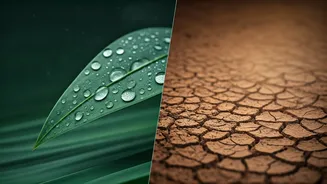
typically between 40% and 60% relative humidity, your skin can maintain a healthy balance. However, when humidity levels swing to extremes—either too high or too low—it can disrupt your skin's barrier, leading to a host of issues from excess oil to uncomfortable dryness. Understanding how to adapt your routine to these changes is the key to keeping your complexion happy year-round.
Tackling High Humidity: The 'Less Is More' Approach
In hot, humid weather, the air is saturated with moisture. This can make your skin feel sticky and cause sweat to evaporate more slowly. This environment signals your sebaceous glands to produce more oil, which can mix with sweat and dirt, leading to clogged pores and breakouts. People with oily or acne-prone skin often find these conditions particularly challenging. The goal is to hydrate without adding heaviness. Switch to lightweight, water-based, or gel formulas that absorb quickly. Look for products labeled "non-comedogenic," which means they are specifically formulated not to clog pores. A gentle foaming cleanser can effectively remove excess oil and impurities, while ingredients like salicylic acid can help keep pores clear.
Essential Ingredients for Humid Conditions
When fighting shine, certain ingredients are your best friends. Niacinamide is a powerhouse for humid climates because it helps regulate oil production and minimize the appearance of pores. Hyaluronic acid, while known for hydration, is also great in a lightweight serum form; it pulls moisture from the air to keep your skin hydrated without feeling greasy. It's also a great time to incorporate gentle exfoliation, perhaps once or twice a week, to slough away the dead skin cells that can build up and lead to congestion. And never skip sunscreen; opt for an oil-free or gel-based SPF to protect your skin without contributing to the shine.
Combating Low Humidity: Focus on Hydration and Protection
Low humidity, common in cold winter months and artificially heated or cooled indoor spaces, pulls moisture directly from your skin. This process, known as transepidermal water loss (TEWL), can leave your skin feeling tight, flaky, and irritated. It can also weaken your skin's protective barrier, making it more susceptible to irritants and accelerating the appearance of fine lines. In these conditions, your routine should focus on replenishing moisture and locking it in. This is the time to embrace richer, more emollient textures. Think cream-based cleansers that don't strip natural oils and thicker moisturizers.
Key Ingredients for a Dry Environment
To fortify your skin against dry air, look for ingredients that build and protect its barrier. Ceramides are lipids that are naturally found in skin and are crucial for reinforcing the barrier and preventing moisture loss. Hyaluronic acid remains a hero, drawing moisture into the skin. Follow it up with an occlusive product, like a cream containing shea butter or even a thin layer of an ointment, to seal that hydration in. Applying your moisturizer to damp skin immediately after a lukewarm shower can significantly boost its effectiveness. And if the air in your home is particularly dry, using a humidifier can add much-needed moisture back into your environment, offering relief for your skin.