





Layering Your Clothing is Crucial
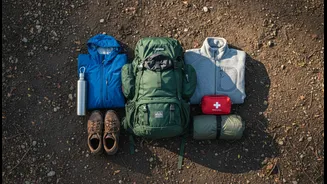
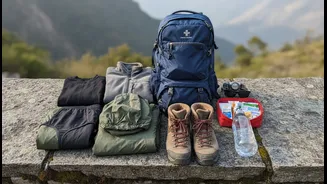
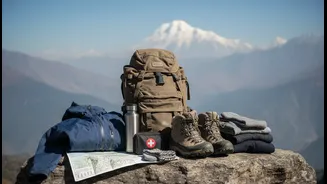
The key to staying comfortable during the Yatra is to dress in layers, allowing you to adapt to weather that can change from sunny to rainy and cold in a matter of hours. Start with a base layer of thermal innerwear to retain body heat. Avoid cotton,
which holds moisture; opt for quick-drying synthetic fabrics instead. Your mid-layer should be a fleece jacket or a heavy woollen sweater for insulation. The outermost layer is the most critical: a high-quality waterproof and windproof jacket is non-negotiable to protect against sudden rain and chilly winds. Similarly, pack waterproof trekking trousers. Remember to include several pairs of woollen socks, a woollen cap that covers your ears, waterproof gloves, and a scarf or balaclava to shield you from the cold, especially during early morning treks.
Essential Gear for a Sturdy Trek
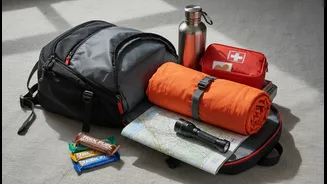
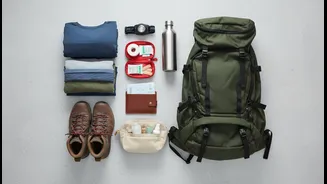
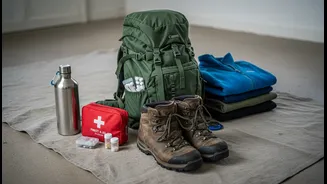
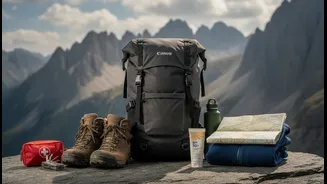
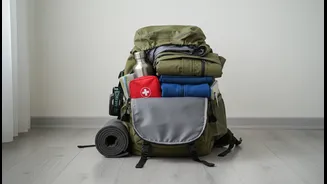
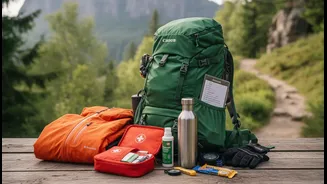
Your safety and comfort on the trail depend heavily on your gear. The single most important item is a pair of sturdy, waterproof trekking boots with high ankle support and a strong grip. Ensure they are broken-in to avoid blisters. A 40-50 litre backpack with a rain cover is ideal for carrying your essentials without being too heavy. Trekking poles are highly recommended as they provide stability on steep ascents and descents, reducing strain on your knees. For early morning or late evening treks, a headlamp or a torch with extra batteries is essential for visibility. An insulated water bottle is a must to stay hydrated, a key factor in preventing altitude sickness. Also, carry a high-capacity power bank, as charging points are scarce.
A Well-Stocked Personal Medical Kit
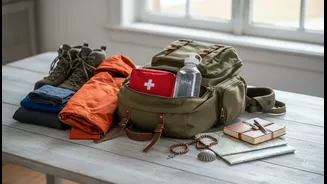
High altitude can affect even the fittest individuals, so a personal medical kit is vital. Consult your doctor before the Yatra to discuss your fitness and get prescriptions for necessary medications. Your kit should include medication for altitude sickness, such as Acetazolamide (Diamox), to be taken only under medical advice. Pack painkillers like Paracetamol for headaches and body aches, anti-nausea tablets for motion sickness, and medication for stomach issues like acidity and loose motion. A basic first-aid set with antiseptic wipes, bandages, blister treatment like moleskin, and a pain-relief spray is also necessary. Sunscreen (SPF 50+) and lip balm are crucial, as UV exposure is much stronger at high altitudes.
Important Documents and Other Necessities
Losing documents can be a major hassle, so keep them together in a waterproof pouch. You must carry multiple printed copies of your Yatra Permit, the Compulsory Health Certificate (CHC), and your original government-issued photo ID like an Aadhaar card. The RFID card, which you collect before starting the trek, is mandatory and must be worn at all times for tracking and safety. It's wise to carry sufficient cash, as digital payments may not work everywhere. Only postpaid SIM cards work in Jammu and Kashmir, so plan your communication accordingly. Finally, pack high-energy snacks like dry fruits, nuts, chocolate, and glucose biscuits to maintain your energy levels on the trek.
What Not to Bring on the Yatra
Packing light is as important as packing right. Avoid carrying heavy and bulky clothing like denims. Do not wear sarees, as they are impractical and unsafe for trekking; salwar kameez or tracksuits are recommended for women. Don't wear slippers or regular shoes; only proper trekking shoes will do. Avoid attempting any shortcuts on the trail, as they can be dangerous. It is also advised to refrain from consuming alcohol, caffeine, or non-vegetarian food, as these can strain your system at high altitudes. By packing thoughtfully and leaving unnecessary items behind, you can ensure your backpack is manageable, making the challenging trek a little easier.